APOPKA, FL · HOME REPAIR & RESTORATIONExplore Apopka service area
Home Services ApopkaCall (407) 604-4176 ↗
Electrical Services · Apopka, FL

Electrical Panel Upgrades in Apopka, FL

Your electrical panel is the one piece of equipment in your home you never think about until it refuses to do its job. In Apopka, we see that moment arrive as a breaker that trips every afternoon, an insurance letter naming your panel brand, or a plan — an EV charger, a hot tub, a remodel — that your 100-amp service simply can't carry. This page walks you through the decision the way we work it: what's actually wrong with your panel, how our math decides 100 versus 200 amps, what upgrade day looks like with our crew, and the Florida-specific traps (legacy panel brands, the 4-point inspection, surge requirements) that catch owners by surprise. When you need electrical panel upgrade near me in Apopka, it helps to know what the job actually involves first — the sections below lay it out in plain language.

We connect you with licensed and insured electrical contractors in Apopka, FL.

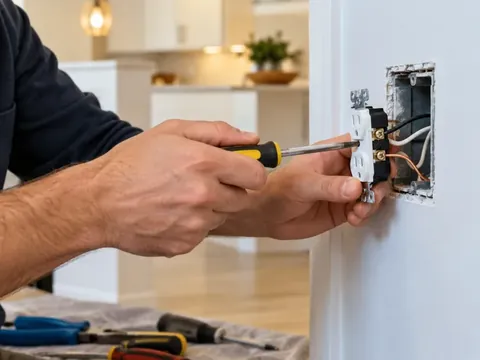
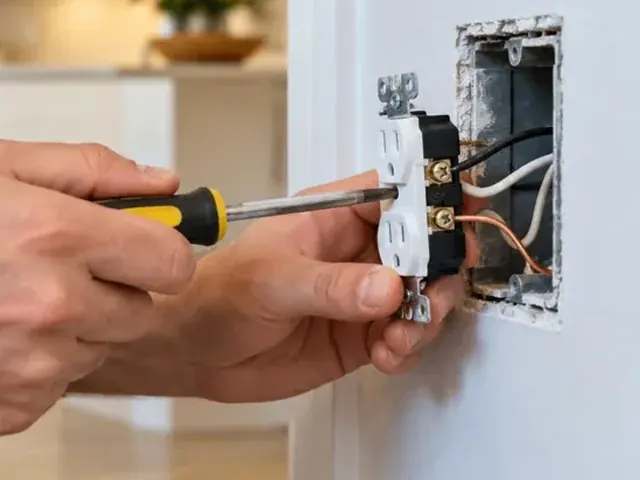
Residential electrical panel wiring and connection inspection
Panel Upgrade · Apopka, FL
⌖ Apopka, FloridaCall about this serviceReview the scope before approving work
The moment it's worth calling

Four signs your panel is the problem — not the appliance

01 / Symptom

A breaker trips the instant you reset it

Tripping once under a heavy load is the breaker doing its job. Tripping every afternoon in August, or tripping the second you flip it back on, means something deeper: an overloaded circuit, a breaker that's worn out and tripping early, or a loose connection heating up behind the panel. We tell every caller: a breaker that won't stay on is protecting you from something. First move — note which breaker, what was running, and whether it's getting worse — then stop resetting it and call us.

02 / Symptom

Heat, burning smell, or scorch marks at the panel

Put your hand near — not on — the panel cover. Warmth, a hot-plastic smell, discoloration around a breaker, or visible scorching means resistance where it shouldn't be: a loose lug, a failing breaker, a bus bar cooking itself. We treat this as the one symptom that doesn't wait for a scheduled visit. First move: if there's an active burning smell or smoke, call emergency services; otherwise call us the same day and don't open the panel yourself.

03 / Symptom

An insurance letter names your panel

It usually arrives at renewal or during a home purchase: the 4-point inspection photographed your panel, and the insurer flagged the brand — Federal Pacific Stab-Lok, Zinsco, or Challenger — or the double-tapped breakers, or the 60-amp fuse box. Many Florida carriers won't bind a new policy on these panels, and existing policyholders get a deadline to replace. We tell owners straight: this isn't a sales tactic; it's underwriting. First move — read the letter for the exact deficiency cited and the compliance date — that deadline, not urgency, sets your schedule. Bring the letter when you call us.

04 / Symptom

Your plans outgrew your panel

An EV charger needs a dedicated 240-volt circuit. A hot tub can draw 40–60 amps by itself. A remodel adds rooms the original load calculation never imagined. Many older Apopka homes still run 100-amp service — designed when the house had one TV and no central air. If your plans add large loads, the question isn't whether the panel is bad; it's whether the math still works. First move: list every large new load and ask us for a load calculation in writing before you buy equipment.

What the job includes

What an electrical panel upgrade covers

  • Load calculation (NEC Article 220).We start every upgrade here: every existing and planned load — square footage, appliances, AC tonnage, the EV charger — run through the code's calculation method. This is what decides whether you need 200-amp service or whether your 100-amp panel just needs to be modern.
  • Panel and breaker replacement.We pull the old panel out; a modern panel with correctly sized breakers goes in. Federal Pacific, Zinsco, and Challenger panels get replaced outright — their breakers have documented failure-to-trip histories, so we never rehabilitate them.
  • Service entrance upgrade (when going 100→200A).A bigger panel needs a bigger feed: new service entrance conductors, and often a new meter socket and mast. This is the part of the job the panel price doesn't always make obvious — we scope it in writing so there are no surprises.
  • Grounding and bonding.Older Florida homes often have grounding that's grandfathered but inadequate — we drive a new ground rod and bond it properly to bring the system up to current code.
  • AFCI and GFCI protection.Bedrooms get arc-fault breakers; kitchens, baths, and garage get ground-fault protection. This is code now, not an upsell — we wire every panel this way.
  • Whole-home surge protector.Since Florida's 2024 code adoption, service changes must include a Type 1 or Type 2 surge-protective device at the panel. In lightning country, we call it the highest-value device most homes lack.
  • Labeling and documentation.We label every circuit, fill out the panel schedule, get the permit card signed, and hand you paperwork you can give an insurer or buyer.
  • What's NOT in scope: rewiring the house, the EV charger install itself (that's its own page), and drywall or stucco patching beyond the panel area — those are separate trades or line items.

That's our scope. Now the question underneath it: what happens if you wait?

What waiting costs

What waiting costs — the mechanisms, not the fear

A breaker that fails to trip

A breaker that fails to trip Federal Pacific and Zinsco breakers are documented not tripping during overloads — which means a fault that should have been a tripped breaker becomes heat, and heat inside a wall becomes a fire. We warn every owner about this one: the mechanism is quiet — nothing looks wrong until something is.

Double-tapped breakers loosen

Double-tapped breakers loosen Double-tapped breakers — two wires under one screw not rated for two — loosen over time as Central Florida's heat cycles expand and contract the connection. Our rule of thumb: a loose connection is resistance, resistance is heat, and heat at a lug is how scorch marks appear one day without warning.

Corrosion is the Florida accelerant

Corrosion is the Florida accelerant Humidity and salt air work on every connection in an outdoor or garage panel, raising resistance year after year — we see the green corrosion on lugs constantly. And on the insurance side, waiting past a carrier's compliance deadline doesn't negotiate — it non-renews.

Three checks before anyone touches the panel

  • Never open a panel yourself

    The lugs behind the breakers stay live even with the main breaker off — the service feeders don't disconnect at the panel. Only someone qualified takes a panel cover off. Period.Burning smell or visible scorching: treat it as an emergency. Emergency electrician in Apopka.An active burning smell or smoke at the panel means call emergency services first, then call us. Don't try to find which breaker is the problem.Floodwater and panels don't mix.After Milton, we learned this the hard way in Apopka: water in a panel or underground service box means blown fuses or fire risk. If water reached your panel, keep everyone away and get our evaluation before anything is re-energized.

Apopka specifics

Why Apopka panels fail the way they do

Apopka's housing stock

We read Apopka's housing stock like a map. Neighborhoods built from the 1960s through the 1980s — the Errol Estate era, early Clear Lakes Estates — went up when 60- and 100-amp fuse boxes and early breaker panels were standard, and when Federal Pacific and Zinsco were common installations. Those houses now run central AC, pool pumps, home offices, and EV chargers on panels designed for a fraction of the load. We open these panels every week.

The lightning

Then there's the lightning. Central Florida sees 75–90 thunderstorm days a year, and Florida leads the nation in strikes. A nearby strike surges the whole street — and without a panel-mounted surge protector, that energy lands on your AC's control board, your refrigerator, your computers. Florida's 2024 code made surge protection mandatory on service changes for exactly this reason; in Apopka we treat it as less a code box to check than the single most useful device in the panel.

The insurance reality

Citizens and private carriers use the 4-point inspection to photograph your panel — brand, amperage, double taps, hazards. A legacy panel or sloppy prior work shows up on that form, and the letter that follows sets a replacement deadline. We tell owners plainly: in Florida, your panel is an insurability item, not just an electrical one.

How the job runs

What happens during a panel upgrade

  1. Load calculation and scope first

    We document every load — existing and planned — run the NEC Article 220 calculation, and define the scope: panel-only replacement, or full 100-to-200-amp service change with new entrance conductors and meter socket. You approve our scope before anything is scheduled.

  2. Permit and utility coordination

    Panel and service work needs an Orange County permit — we pull it. On upgrade day the utility pulls the meter — Duke Energy coordinates the disconnect, and the house goes dark for the duration.

  3. Swap day

    Old panel and breakers out; new panel, breakers, grounding, and surge protector in. We re-land circuits one by one, label them, and fill in the panel schedule.

  4. Inspection and testing

    The inspector verifies our installation against code; then we test every circuit under load — breakers on, outlets verified, nothing running hot. The job isn't done until it passes.

Before you call

Call now, or can it wait? — and what to have ready

Call now

  • burning smell or scorch marks at the panel
  • a breaker that trips the instant you reset it
  • any shock from a panel or outlet

Can wait for a scheduled visit

  • an insurance letter naming your panel brand — work backward from the carrier's compliance date, not from panic; permits and inspections take weeks, so start early
  • flickering under load
  • planning an EV charger or remodel
  • a panel that's simply old but behaving

Have ready when you call

  • a photo of the panel label (brand and main-breaker size)
  • the insurance letter if you have one
  • your list of planned large loads
  • whether you've had any tripping or heat symptoms and when

Call made. Here's what upgrade day looks like:

During the work

What to expect while the panel is being upgraded

  1. The house goes dark most of the day

    Plan on the whole house being dark for most of the day — we pull the meter out and there's no power from morning until the new panel is energized and tested. Charge phones, keep the fridge shut, and plan meals around it. Most of our panel swaps finish in one day; a full 100-to-200-amp service change can run longer if the mast or meter socket needs work.

  2. Noise, mess, then the walkthrough

    Expect noise and some mess at the panel location — cutting, drilling, wire pulling. Keep the area around the panel clear for several feet. After the inspection passes, we hand you a labeled panel and a walkthrough: which breaker feeds what, where the surge protector's status light is, and the paperwork for your insurer.

Knowing which related service handles the follow-on problem saves a second round of phone calls later. When you are not sure whether a fault counts as urgent, emergency electrician help when power drops will talk it through on the call.

Helpful answers

What an electrical panel upgrade typically costs in Apopka

We price by what we actually find on site — a 100→200-amp panel upgrade typically runs from $1,800 and a breaker replacement from $150.

ServiceTypical starting price
Panel upgrade 100→200Afrom $1,800
Breaker replacementfrom $150

Every problem's work and cost is different — the confirmed price comes only on the call or at inspection time. Starting prices below are typical, not fixed prices.

Electrical Panel Upgrade FAQs

Why do insurance companies care about my panel brand?

Because some brands fail dangerously. Federal Pacific Stab-Lok and Zinsco breakers are documented not tripping during overloads — the exact failure that starts fires inside walls. Florida carriers, including Citizens, photograph panels on the 4-point inspection and list these brands as unacceptable or require replacement by a deadline. We tell owners straight: it's underwriting, not a sales tactic.

Do I really need to go from 100 to 200 amps?

Only our load calculation decides. A 100-amp panel that's modern and correctly wired can serve a modest home fine — we say so when it's true. But add an EV charger (dedicated 240V circuit), a hot tub (40–60 amps), or a remodel, and the NEC Article 220 math usually lands past 100. We run every existing and planned load — never size by guessing.

What's a double-tapped breaker, and why does my inspector care?

Two wires secured under one breaker screw that isn't rated for two. We find these constantly: heat cycling loosens the connection over time, creating resistance and heat at the lug. Florida home inspectors photograph double taps on the 4-point inspection, and insurers treat them as a deficiency to fix — often during a panel upgrade, since we've already got the panel open.

Will my power be off all day during the upgrade?

Yes — plan for it. The utility pulls the meter, so the whole house goes dark from morning until the new panel is energized, inspected, and tested under load. Most of our panel swaps finish in one day; a full 100-to-200-amp service change can take longer if the mast or meter socket needs replacement. Charge phones and keep the fridge shut.

Does a panel upgrade include a whole-home surge protector?

In Florida, yes — since the 2024 code adoption, service changes must include a Type 1 or Type 2 surge-protective device at the panel, and we install it as part of every upgrade. In lightning country it's the highest-value device most homes lack: it diverts surge energy from nearby strikes and power-restoration spikes before it reaches your AC, refrigerator, and electronics. We show you the status light to check after big storms.

Can I add an EV charger without upgrading my panel?

Sometimes — if our load calculation says there's room. A Level 2 charger needs a dedicated 240-volt circuit, and on a 100-amp panel with central AC and an electric dryer, the math often doesn't fit — we run this exact scenario weekly. That's what the Article 220 calculation is for: it tells you whether the charger fits or the panel has to grow first. Get it from us in writing before buying the charger.

Do I need a permit for a panel upgrade in Apopka?

Yes — Orange County requires a permit for panel replacements and service changes, and the work gets inspected before it's signed off. We pull the permit and meet the inspector; that's part of what you're paying us for. For budgeting: a 100-to-200-amp panel upgrade typically runs from $1,800 in Apopka, and a breaker replacement typically from $150 — typical starting prices, not fixed prices. Permitted work also protects you at resale and on the 4-point inspection — unpermitted electrical is a common flag.

My panel is a Challenger — is that as bad as Federal Pacific?

It's in the same category insurers worry about. Challenger panels from the 1980s–90s were recalled, and some breakers carry the GTE-Sylvania label instead of the Challenger name — so owners often don't know what they have. We identify these weekly: Florida carriers treat them like other legacy brands on the 4-point inspection. If your home was built in that era, have us identify the panel before renewal season.

Do you offer electrical panel upgrade near me in Apopka?

Yes — we serve homes across Apopka, and the number on this page connects you with the team that handles electrical panel upgrade for your address. Confirm availability and timing when you call.
Further reading

Sources and technical references

View supporting references and safety sources
  1. kicker:

    Authority

  2. H2:

    Where this guidance comes from

  3. National Electrical Code (NEC)

    Article 220 (load calculations), Article 230.67 (surge-protective devices required on dwelling services), Article 408 (panelboard construction and labeling).

  4. Florida Building Code, 8th Edition

    adopts the NEC 2020, including the surge-protection requirement on service changes effective January 2024; permit requirements for panel and service work.

  5. Citizens Property Insurance 4-Point Inspection

    the form that photographs your panel, documents brand/amperage/double taps, and drives the replacement deadlines Florida homeowners receive.

  6. Manufacturer and testing documentation

    the documented breaker failure-to-trip histories behind the Federal Pacific, Zinsco, and Challenger insurance classifications. ---

Before scheduling the repair:Review the estimate details and decide whether the problem needs our attention now.

When to call a home professional ↗ How to compare home service estimates ↗

When to call a home professional— our call-now vs. wait guidance, generalized across every trade.

How to compare home service estimates— what a complete panel proposal from us contains, the red flags that matter, and why the cheapest number usually isn't the full scope.

Need Electrical Panel Upgrades in Apopka, FL?

Before authorizing work, talk with us about shutdowns, permits, load calculations, testing, and complete pricing. Call the service number to confirm service coverage and appointment availability.

Apopka, FLPanel Upgrade ☎ (407) 604-4176