APOPKA, FL · HOME REPAIR & RESTORATIONExplore Apopka service area
Home Services ApopkaCall (407) 537-0972 ↗
Home services · Apopka, FL

Pest Control Services in Apopka, FL

In Apopka, pest season doesn’t end — it rotates. We work it year-round: termites swarming after spring rains, palmetto bugs surging with summer heat, mosquitoes breeding in anything holding water, roof rats using citrus trees as a highway to the attic. Start with what you’re seeing and where — we’ll talk through inspection and control options. When you need pest control near me in Apopka, it helps to know what the job actually involves first — the sections below lay it out in plain language.

We connect you with licensed and insured pest control contractors in Apopka, FL.

Daily · 5 AM–11 PM MST. Treatment availability varies. See excluded pests

Hours above use the answering service’s listed MST/CST time zone, not Apopka Eastern Time. Confirm today’s local calling and appointment hours when you call.

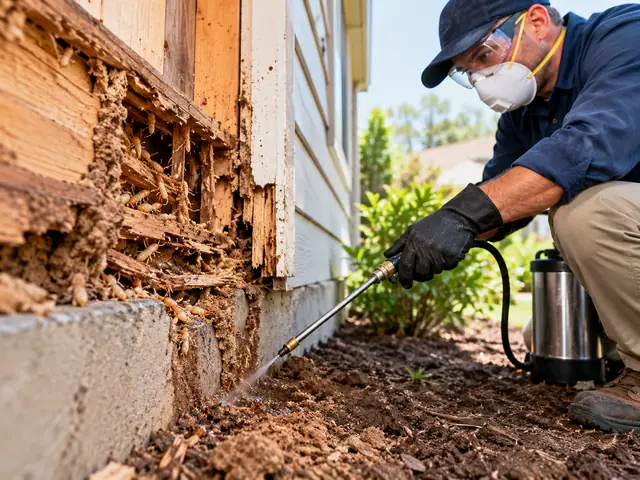
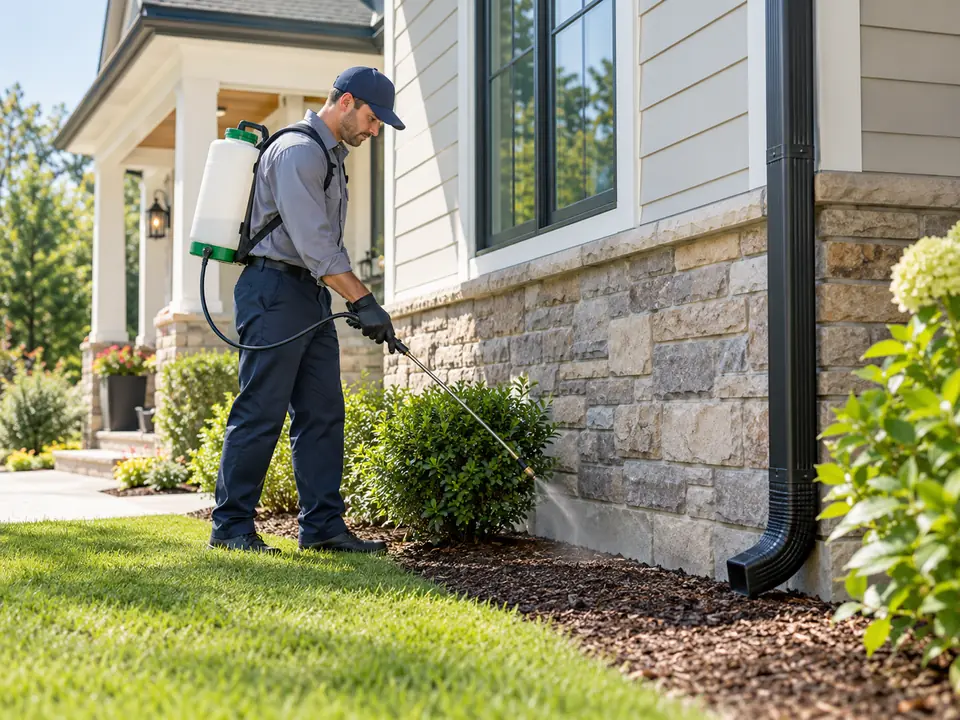
Illustrative scene of a pest-control professional treating around a home's exterior
Pest Control · APOPKA, FL
⌖ Apopka, FloridaCall about this serviceReview the scope before approving work
Know the signs

What pest activity have you noticed?

01 / Symptom

Winged insects after rain, or mud tubes on walls

Subterranean termites swarm in Central Florida from February through June, often right after afternoon showers. We tell every caller: mud tubes, discarded wings on windowsills, hollow-sounding wood — get an inspection. This is the one pest you don’t want to misidentify.

02 / Symptom

Scratching at night, droppings, or gnaw marks

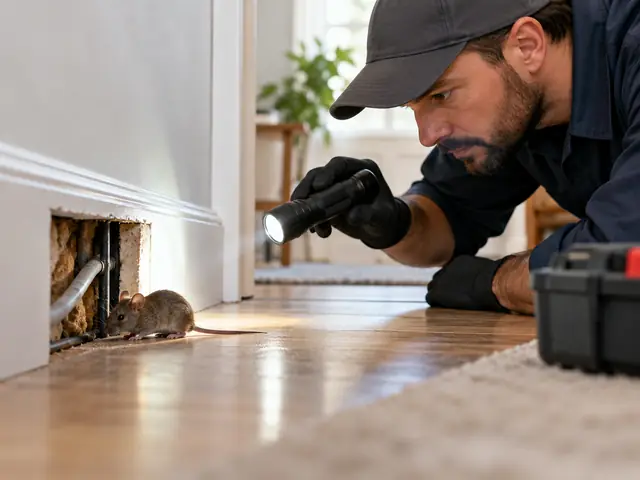
Roof rats — locals call them citrus rats — are Apopka’s most common attic intruder, and we trap them weekly. They climb trees and palms to the roof, then slip in through eave gaps and vents.
Do now: note where you hear sounds before anyone seals anything.

03 / Symptom

Big roaches indoors, especially in summer

Palmetto bugs (American cockroaches) live mostly outdoors and wander in through gaps around doors, drains, and windows when heat drives them toward cool, damp shelter. We tell people: recurring sightings point to entry points and moisture, not a dirty kitchen.

Select the work

Find control for the pest you are seeing

Specialists picked. Before the visit, here’s what the pests are doing while you decide:

What waiting costs

What waiting costs — the mechanisms, not the fear

Every season a termite colony stays active

The colony expands

Termites feed year-round in Central Florida — we see the damage in every season the foraging territory keeps expanding and the damaged wood inside your walls grows waiting a year on an aggressive species is not the same decision as waiting on a native one

Standing water, left standing

Mosquitoes need only a teaspoon

Anything holding water breeds mosquitoes — we dump standing water on every yard visit they breed nearly year-round wherever water stands the yard stops being usable

Fire ant mounds treated only at the surface

The colony rebounds

Mounds rebound fast in warm soil — we treat the colony, not the mound treating the visible mound without treating the colony leaves the source intact the same mound, where the kids and pets play

Entry points left open

The attic population grows

Roof rats keep using the same eave gaps and vents — we see the same entry points year after year trapping without exclusion just invites replacements for rats, steel exclusion is the permanent fix

Three safety checks before any treatment

  • Name it before you treat it.

    We name the pest, show you the evidence, and explain where it’s coming from. If a tech can’t say what they’re treating and why, that’s a red flag — misidentification sends treatment the wrong direction.

  • Declare the household before products come out.

    Kids, pets, aquariums, and vegetable gardens must be part of the plan before treatment starts. Ask us what’s applied where, and what precautions apply — and keep pets secured during the visit.

  • Don’t seal anything until you know what’s inside.

    Hear scratching in the attic? We never seal entry points until we know whether animals are still inside. Note where you hear the sounds and look for droppings or gnaw marks first — that’s what we ask on every rodent call.

Apopka specifics

Why pest pressure never really stops in Apopka

Central Florida gives pests what they need twelve months a year: warmth, moisture, and food — that’s why we work year-round.

No off-season, only a rotation

Termites swarm in spring. Palmetto bugs and mosquitoes peak with summer heat and storms. Rodents push indoors during heat waves. Fire ants stay active nearly year-round. We tell people: a spray-once-in-spring plan built for northern climates doesn’t map to Apopka.

Moisture is the master variable

Leaky faucets, clogged gutters, AC condensate lines, and standing water don’t just damage your home — they invite pests. We find termites and carpenter ants prefer moisture-softened wood, and mosquitoes need only a teaspoon of standing water to breed.

Your yard is part of the structure

Citrus trees feed roof rats. Mulch piled against siding gives termites cover. Vegetation touching the house is a bridge for ants and roaches. That’s why our inspection starts outside.

Ponds and ditches cut both ways

Neighborhoods near retention ponds and drainage ditches get more mosquitoes — and after storms, overflowing ponds push water toward homes. In Apopka, private/HOA ponds are the owner’s legal maintenance duty, and a neglected one breeds mosquitoes for the whole street.

The Apopka pest calendar

February–June: termite swarm season

Subterranean termites swarm after rains; drywood follow May–September. Winged insects around lights? Check the FAQ ID guide before assuming “flying ants.” Swarm season is also when most homeowners review or buy a termite bond — see the FAQ below on what to check before signing.

March: mosquito season starts

Barrier treatments applied before populations establish beat emergency spraying in July. Walk your yard for standing water now.

Summer: palmetto bug surge

Heat pushes American cockroaches indoors and gets them flying. Seal gaps, fix leaks, switch porch bulbs to yellow.

Heat waves: rodent pressure

Extreme heat drives roof rats and mice toward cool attics. Pick up fallen fruit daily, secure pet food, trim branches off the roofline.

Year-round: fire ants and lawn pests

Mounds rebound fast in warm soil; treat the colony, not just the visible mound.

How the visit works

How a pest-control visit actually works

  1. Identification

    The technician names the pest, shows the evidence, and explains the source. If they can’t say what they’re treating and why, that’s a red flag.

  2. Full inspection

    Attic, crawl space, exterior perimeter, moisture sources, entry points — before any product is applied.

  3. Targeted treatment

    Baits and barriers in voids, cracks, and exterior perimeters — not broadcast spraying every room. Ask what’s applied where, and what precautions apply to children, pets, aquariums, and gardens.

  4. Exclusion and prevention

    Sealing entry points, moisture fixes, sanitation guidance. For rats, steel exclusion is the permanent fix; trapping without it just invites replacements.

  5. Follow-up and monitoring

    Bait stations need checking; plans should state what’s inspected each visit. Get the schedule in writing.

Before you call

When to call vs. when to wait

Urgent problems & scheduling

Qualifying urgent pest situations, not routine treatment

The pest-control line is staffed 5 AM–11 PM Mountain Standard Time (MST), seven days a week. An answer or treatment outside those listed hours is not confirmed. Describe the pest type, precise location and whether an active stinging-insect nest or another immediate risk is involved. Keep people and pets away; for a serious allergic reaction call emergency services.

Pest-control appointments are scheduled according to the pest and service availability. See the excluded pests below; call to confirm treatment options and available times.

Important: Calls are answered at the stated hours. An immediate visit or same-day repair is not guaranteed; confirm appointment and arrival options when you call.

Pests and animals not covered by this treatment service

Check the excluded pests below before calling. Treatment is not offered for every species, and availability must be confirmed.

  • Bagworms and bat bugs
  • Cats; chipmunks, squirrels and woodchucks; raccoons
  • Crane flies, drain flies, grasshoppers, fruit flies and gnats
  • Honeybees and June bugs (beetles)
  • Lawn pests: aphids, snails, grubs, slugs, chiggers and chinch bugs
  • Lice, lizards, maggots, mites of any kind and scabies
  • Snakes and worms

For covered pests, the inspection findings determine treatment options. Call to confirm scheduling.

Call now

  • Suspected termites (wings, mud tubes, hollow wood)
  • Rodents in living spaces
  • Wasp/hornet nests near doors
  • Any pest affecting someone with allergies or health concerns
  • Anything you can’t identify

Schedule soon — or handle yourself first

Schedule soon:

  • Recurring palmetto bug sightings
  • Mosquitoes limiting yard use
  • Fire ant mounds where kids or pets play
  • Pantry pests that survive cleanup

Handle yourself first:

  • A single spider
  • One ant trail you can trace to a sealable gap
  • Fruit flies from produce left out — if it persists, call

Have ready when you call

  • Sightings, droppings, damaged wood, nesting areas, bites — report what you see without guessing the species
  • Photos of the evidence
  • Where and when you notice the activity
  • Kids, pets, aquariums, and gardens — mention them before work starts

Visit booked? Here’s what to expect while it’s underway:

During the visit

What to expect while the visit is underway

  1. Inspection first

    A thorough walk-around before anything is applied

    Attic, exterior perimeter, entry points — the inspection comes before any product.

  2. Pets and plants

    Keep pets secured; speak up about the rest

    Keep pets secured and mention aquariums and gardens upfront.

  3. Timing

    Most visits run under an hour

    You may be asked to stay out of treated rooms until products dry.

  4. Wrap-up

    You get the evidence and the plan in writing

    A good technician shows you the evidence, explains each step as it happens, and leaves a written plan — including the follow-up schedule — before driving off.

Summer in Apopka also means wasps building under eaves, porch ceilings and play equipment, and a nest that starts small in spring can be well established by August. Rather than knocking it down yourself and scattering the colony, most homeowners book having a wasp nest taken down safely once the nest is located and the species is identified.

Helpful answers

What pest control typically costs in Apopka

We quote the plan after the inspection — a one-time visit typically runs from $100, quarterly plans from $100 a visit, and monthly plans from $40. Here’s the breakdown.

ServiceTypical starting price
One-time visitfrom $100
Quarterly planfrom $100
Monthly planfrom $40

Every problem's work and cost is different — the confirmed price comes only on the call or at inspection time. Starting prices below are typical, not fixed prices.

Pest Control FAQs

I saw winged insects swarming after a rainstorm — termites or flying ants?

In Central Florida, subterranean termites swarm February through June, often right after afternoon rain. Look closely: termites have straight, beaded antennae, two pairs of equal-length wings, and thick waists. Flying ants have bent antennae, uneven wings, and pinched waists. Piles of same-size discarded wings on windowsills point to termites. When in doubt, collect a sample and ask for an inspection.

My house is clean — why do palmetto bugs keep showing up?

Palmetto bugs are American cockroaches that mostly live outdoors; they wander in through gaps around doors, drains, and windows, especially when summer heat drives them toward cool, damp shelter. A clean kitchen helps, but it won't stop them. Sealing entry points, fixing leaks, and swapping white porch bulbs for yellow ones cut sightings more than spraying the bugs you see.

Do I really need pest control all year in Florida?

Mostly, yes. Central Florida has no real off-season: termites swarm in spring, palmetto bugs surge in summer, mosquitoes breed nearly year-round wherever water stands, and rodents move indoors during extreme heat. That said, the right plan depends on your property — a home backing onto a pond or preserve needs more attention than a newer build on a cleared lot.

What should a first pest-control visit include?

Identification first: the technician should name the pest, show you the evidence, and explain where it's coming from. Then a full inspection — attic, crawl space, exterior perimeter, moisture sources — before any treatment. Ask what product is used where, what precautions apply to kids and pets, and what follow-up is included. Vague answers or pressure to sign a long plan on the spot are reasons to get a second opinion.

Is treatment safe around children and pets?

Good practice plans around them: targeted applications in cracks, voids, and exterior barriers rather than broadcast spraying, plus clear re-entry instructions. Mention kids, pets, aquariums, and vegetable gardens before work starts so the plan accounts for them. If anyone in the home has respiratory issues or chemical sensitivities, say so — there are lower-impact approaches, but they still require honest expectations.

I hear scratching in the attic at night — what should I do first?

Nighttime scratching in a Florida attic is most often roof rats — excellent climbers that use trees and palms to reach the roof, then slip in through eave gaps or vents. Don't seal anything until you know whether animals are still inside. Note where you hear the sounds and look for droppings or gnaw marks, then ask for an inspection focused on entry points.

Can anything be done about mosquitoes if there's standing water nearby?

Your own yard is the part you can control — we start every mosquito call there: empty anything holding water every few days, clean gutters, refresh birdbaths — a teaspoon of water can breed mosquitoes. Barrier treatments help for outdoor living areas. But if the source is a neglected HOA retention pond or ditch, that's a maintenance issue: in Apopka, private ponds are the owner's responsibility, and the HOA or city may need to act before the street sees relief.

Should I buy a termite bond or warranty?

In Florida's termite pressure, many homeowners carry one — but read it before signing. Ask exactly what it covers (retreatment only, or damage repair too?), what it excludes, whether annual inspections are required to keep it valid, and what voids it. A bond is only as good as the company behind it and the inspections that keep it active. Compare terms the way you'd compare any home-service contract.

Do you offer pest control near me in Apopka?

Yes — we serve homes across Apopka, and the number on this page connects you with the team that handles pest control for your address. Confirm availability and timing when you call.

Further reading

Sources and technical references

View supporting references and safety sources
  1. UF/IFAS Extension

    Florida pest identification and integrated pest management guidance.

  2. EPA

    Pesticide safety around homes, children, and pets; mosquito-source reduction.

  3. FDACS

    Florida’s pest-control licensing; licensed operators are a state requirement, and license status is publicly verifiable.

Pest work in Apopka constantly runs into the rest of the house, starting in the kitchen. Roaches and rodents shelter in the warm, damp spaces behind large appliances, so a recurring infestation often is not solved until the refrigerator harboring them behind its motor cover and the microwave mounted over the range have been checked as nesting sites, not just sprayed around. Outdoors, what looks like a pest problem is frequently a lawn problem wearing a disguise — chinch bug damage and grub activity present as dying grass, and the fix runs through regular mowing that keeps the lawn inspectable and a working system, since the standing water from a broken line is what breeds the mosquitoes, making sprinkler repair part of pest prevention. Entry points finish the picture: most roof rats and many wasps come in through the roofline, so sealing the house often ends with repairing the roof gaps pests are using. Every one of these services covers the same neighborhoods — see the areas we serve page for the full list.

Before you choose the work: when comparing proposals, clarify the target pest, inspection findings, follow-up terms, and exclusions. Planning around storm season? See the rainy-season checklist.

How to compare home service estimates ↗ Florida rainy-season home checklist ↗

Call About Pest Control in Apopka

Call with the suspected pest and where you are seeing activity. Confirm inspection and treatment options.

Apopka, FLPest Control ☎ (407) 537-0972