APOPKA, FL · HOME REPAIR & RESTORATIONExplore Apopka service area
Home Services ApopkaCall (407) 783-0923 ↗
Home services · Apopka, FL

HVAC, Heating & AC Repair in Apopka, FL

We’ve worked on Apopka air conditioners long enough to know they never get a season off. From April through October — and plenty of days beyond — we see systems fight 90-degree heat and heavy humidity at the same time, and we know the failure patterns national advice columns never mention: the slow efficiency fade, the drain line that quits on a mild October afternoon, the electric bill that climbs while comfort drops. Our technicians read what your system is telling you so your service call starts with answers, not guesses. If your system has quit outright — no cooling or no heat at all — start with 24/7 emergency HVAC repair in Apopka. If you searched for HVAC repair near me in Apopka, this page explains the work involved so you can describe the problem clearly when you call.

Emergency AC and heating help — call 24/7. Appointment availability is confirmed when you call.

We connect you with licensed and insured HVAC contractors in Apopka, FL.

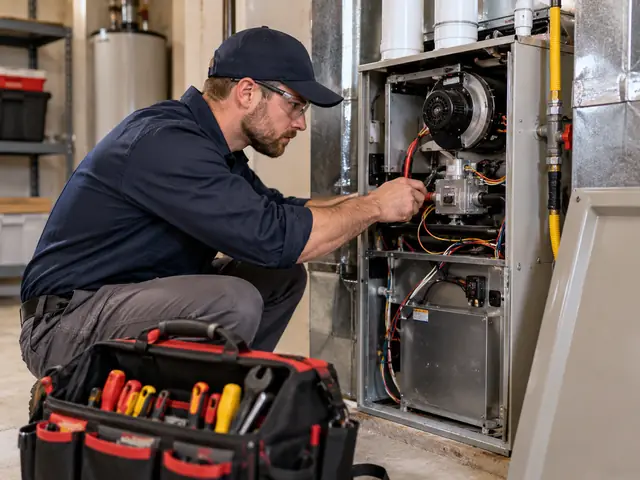
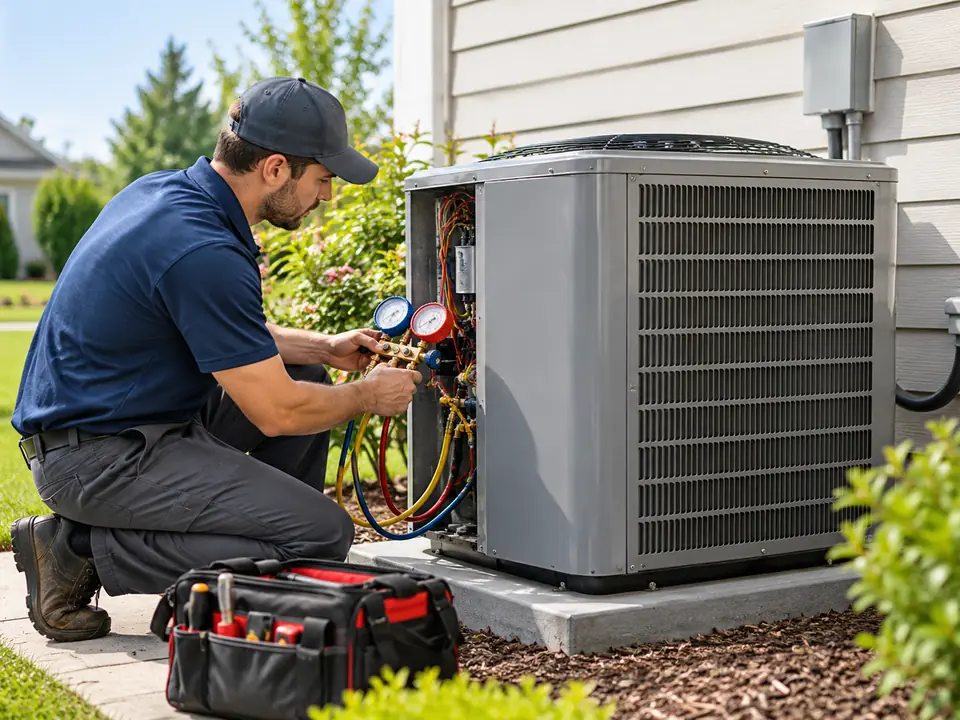
Illustrative scene of an HVAC technician checking an outdoor air-conditioning condenser
HVAC & AC Repair · Apopka, FL
⌖ Apopka, FloridaCall about this serviceReview the scope before approving work
Recognize the problem

What is your heating or cooling system doing?

We hear the same complaint every day — “just not comfortable” — and we can tell you it comes from very different faults. Match your pattern below: it tells our technicians what to check first and how urgent your call is.

01 / Symptom

AC runs all afternoon, but the house never quite cools

Apopka’s most common cooling complaint, and the one we get called about more than any other — and it rarely starts with a breakdown. The system sounds normal and air comes out of the vents, but by late afternoon the house feels heavy, some rooms lag behind the thermostat, and the Duke Energy bill keeps climbing. We call that combination efficiency fade announcing itself: a dirty filter or coil, a slow refrigerant leak, or an aging unit losing ground for weeks. When you call us, have the thermostat setting, the actual temperature, and which rooms lag most — that’s what our technicians ask about first.

02 / Symptom

Water near the indoor unit, or the AC shut itself off

We trace this one straight to the condensate drain. Your AC pulls gallons of moisture from humid air daily, and we see organic growth slowly choke the drain line on systems all over Apopka. Most systems have a float switch that kills the equipment when water backs up — we tell homeowners that shutdown is the safety device working, not the failure.

03 / SymptomIllustrative scene of a heating technician inspecting residential furnace components

No heat on a cold snap, or the heat pump won't switch modes

Most Apopka homes we service heat with a heat pump, not a furnace. On cold January nights the pattern shifts: auxiliary heat running constantly, a unit stuck in one mode, or a thermostat calling for heat and delivering cool air. If you ever suspect a gas smell, leave the area and contact the utility or emergency services — we never ask anyone to investigate that themselves.

Matched your pattern? Find the matching work below.

Select the work

Find heating and cooling work in one place

Work matched to the pattern — now why Apopka systems fail differently than the national advice assumes.

Why Apopka is different

Why Apopka is hard on air conditioners

National HVAC advice assumes your system rests half the year. The systems we service in Apopka don’t — and that changes how they fail.

A 9-to-10-month cooling season.

Under near-continuous operation, we watch capacitors, contactors, and fan motors age in dog years.

Heat and humidity arrive together.

At 90°F with indoor humidity past 70%, the system must remove heat and moisture at once — a dual load we’ve seen overwhelm aging equipment, leaving the house clammy even when vent air feels cool.

Humidity feeds the drain line.

Every gallon your system removes travels through a narrow drain that stays wet enough for organic growth — we clear these clogs year-round in Apopka, not just in summer.

Storms punish electrical parts.

Daily summer thunderstorms and power flickers wear out capacitors and control boards — we suspect these first when an AC struggles to start or short-cycles after storm season.

Leaving town? Don't just switch the AC off.

The costliest mistake we see a seasonal resident make is treating an empty Florida house like one anywhere else: your AC’s job while you’re away is moisture control. Shut it down for months and humidity invites mold and warped materials. We recommend keeping it running on vacant-home settings, clearing the drain and changing the filter before leaving, and considering a smart thermostat with phone alerts.

Coil care

Coil cleaning & maintenance plans

In Apopka, we trace a huge share of “runs all day, never gets cool” calls back to dirty coils — and a 9-to-10-month cooling season means your coils never get a break.

The symptom: cooling that fades instead of failing.

The dirty-coil calls we take don’t start with a breakdown. They start with a system that runs from noon to midnight while the house sits two degrees too warm and the electric bill climbs. In Apopka’s long cooling season, we see the evaporator coil inside and the condenser coil outside collect dust, pollen, and biofilm for months longer than national maintenance advice assumes. Layer by layer, heat transfer drops — the system works harder for less cooling. That slow slide is efficiency fade, and dirty coils are one of its most common causes in our experience.

What a real coil cleaning includes — and what it can’t fix.

When we do a proper cleaning, we address both coils: the outdoor condenser gets a foaming coil cleaner and a gentle rinse — never a pressure washer, which folds the fins flat — and the indoor evaporator coil gets accessed, inspected, and cleaned in place where the air handler allows it. What cleaning can’t do: bring back a coil corroded through by years of condensate, or replace cooling lost to low refrigerant or a failing compressor. If a quote promises that cleaning alone will fix everything, we tell homeowners to get a second opinion before approving the work.

Coil checks belong on a maintenance plan here.

Because the cooling season barely pauses, we find coil condition in Apopka is a moving target — a coil we cleaned in March can be struggling by September. That is why we put coil inspection inside a maintenance plan, not as a one-off visit. When you’re comparing coil cleaning maintenance plans near Apopka, FL, ask one direct question: does the visit actually open the air handler and look at the evaporator coil, or does “coil check” mean hosing down the outdoor unit? The first is maintenance. The second is a rinse.

If your system has already stopped cooling — not fading, but done — that’s past cleaning and into repair: see AC repair in Apopka. For coil cleaning services in Apopka, FL on a system that’s still running, we recommend a maintenance plan with real coil inspection over a one-off visit.

Prepare for your call

Prepare for an HVAC service call

We’ve learned the system type matters as much as the symptom — especially when the conversation turns to repair versus replacement.

  1. Identify the system

    Central AC, heat pump, furnace, or mini-split? We’ll ask for the brand and approximate age from the outdoor unit’s nameplate — plus the SEER rating if printed. That number shapes any replacement discussion we have with you.

  2. Describe the behavior precisely

    Tell us the thermostat setting versus actual temperature, the affected rooms, and the onset — sudden or gradual. Noises, odors, water. Constant running, short-cycling, or won’t start. And whether your electric bill changed: we treat a spike as diagnostic data.

  3. Confirm the scope before authorizing work

    Ask us what the diagnostic covers and costs. We’ll put findings and options in writing, labor separated from materials. Verify the contractor’s Florida HVAC license yourself, and we’ll confirm who pulls the Orange County permit on replacements.

Before you call

Call now, or can it wait? — and what to have ready

Urgent problems & scheduling

Loss of cooling in extreme heat or heating in unsafe cold

Call us 24/7 about emergency AC or heating problems — we’ll confirm technician availability and arrival time on the call. Report complete AC failure in extreme heat, a heat-pump or furnace breakdown, water entering living space, or concerning equipment symptoms. Move vulnerable people to a safer temperature if indoor conditions become dangerous.

Burning smells, smoke or sparking require avoiding the equipment and contacting emergency responders when there is an immediate hazard. For gas or carbon-monoxide concerns, leave the building. A night call does not confirm a technician for AC, furnace or boiler work.

Important: We answer calls at the stated hours. An immediate visit or same-day repair is not guaranteed; confirm appointment and arrival options when you call.

Call now

  • The system is dead in extreme heat with vulnerable people home
  • You smell burning or see sparking at equipment
  • Water is pouring from an indoor unit onto finished space

Can wait for a scheduled visit

  • Gradual fade
  • One warm room
  • A system that's running but underperforming — but don't let it ride into August

What do these visits typically cost in Apopka? A diagnostic visit typically runs from $75; most common AC repairs start from $200; coil cleaning typically costs from $150; and a full system replacement commonly runs from $5,500. These are typical market starting prices, not fixed prices — your contractor confirms exact pricing before any work begins, and appointment availability is confirmed when you call.

Have ready when you call

  • System type and nameplate info — brand, approximate age, SEER rating if printed
  • Thermostat setting versus actual temperature, affected rooms, and whether your electric bill changed
  • Anything unusual — noises, odors, water, or a bill that jumped
  • Confirm your heating or cooling system can be serviced

Call timing decided — here's what the visit itself looks like while it's happening.

During the visit

What to expect while the work is underway

The cheapest service call finds the real problem the first time. Our technicians ask about symptoms first — how long, sudden or gradual, which rooms — then measure instead of guessing: temperature split, electrical and capacitor readings, refrigerant pressures where appropriate, plus filter, coil, and drain condition. We give you findings in plain language with options and pricing before work begins. Remember: refrigerant doesn’t get “used up” — low charge means a leak, and a top-off without finding it is temporary.

For repairs, expect the system off for part of the visit and a walkthrough from us of what was done. Bigger jobs — full replacements, ductwork changes — run over a day or more; the specialist pages detail what those days look like.

Related problems tend to show up together in Apopka homes, so it helps to know which service covers which symptom. A yearly visit keeps small faults from becoming breakdowns, which is the whole point of an HVAC tune-up in Apopka. Central Florida furnaces sit idle most of the year, so furnace repair in Apopka is a common first cold-snap call when ignition fails.

Helpful answers

What HVAC service typically costs in Apopka

We price by what we actually find on site — here is what jobs like yours typically run.

ServiceTypical starting price
Diagnostic visitfrom $75
Common AC repairsfrom $200
Coil cleaningfrom $150
Full system replacementfrom $5,500

Every problem's work and cost is different — the confirmed price comes only on the call or at inspection time. Starting prices below are typical, not fixed prices.

HVAC & AC Repair FAQs

My AC runs all afternoon but the house never feels cool. Is it broken?

Usually it’s efficiency fade, not sudden breakdown: the system still cools but can’t keep up — clogged filter, dirty coil, slow refrigerant leak, or an aging unit losing ground. In Apopka’s long cooling season this develops gradually, so the first sign is often a rising Duke Energy bill. When our technicians take real measurements at a diagnostic visit, we can show you whether it’s fixable or wearing out.

Why did my AC suddenly shut off on a hot day?

Most often the condensate float switch tripped: your AC removes gallons of moisture daily, and when the drain line clogs, water backs up — the switch kills the system to prevent a flood. That’s the safety device working. Don’t keep resetting it; our technicians clear the line, check the drain pan, and confirm the switch is sound.

There's water around my indoor unit. What should I do?

We tell callers to turn the system off to stop more condensate forming — critical with an attic air handler or one above finished rooms, where overflow becomes ceiling damage fast. It usually means a clogged condensate drain, cracked drain pan, or failed pump. Note where the water is and when it appeared, and tell us on the call.

Why is my electric bill so much higher than last summer?

In Florida the AC can be half or more of the summer bill, so a spike usually means the system works harder for the same cooling — dirty filter or coil, a slow refrigerant leak forcing longer runtimes, or an aging system losing efficiency. Compare against the same month last year and mention it when you call us.

Should I repair my AC or replace it?

We help homeowners weigh age and repair history, this repair’s cost versus replacement, current efficiency, and the matched-system rule: if half a split system is replaced and the old equipment is below 13 SEER, industry guidance says replace both halves with matched equipment — mismatched halves cost more to run and fail sooner.

Do I need to keep the AC running if I'm away for months?

Yes — here the AC’s job in an empty house is humidity control, not comfort. Shutting it down for months invites mold, warped wood, and musty odors. We recommend keeping it running on vacant-home settings, clearing the drain and changing the filter before leaving, and considering a smart thermostat with phone alerts.

What should an AC diagnostic visit include?

A proper visit from our technicians starts with questions — symptom history, onset, affected rooms — then measurements: temperature split, electrical and capacitor readings, refrigerant pressures where appropriate, plus filter, coil, and drain condition. Findings come in plain language with options and pricing before work begins. We’d be wary of any visit that skips straight to a replacement quote.

My heat pump won't switch between heating and cooling. What's wrong?

A heat pump stuck in one mode usually points to the reversing valve, the thermostat’s heat/cool signaling, or a winter defrost-control issue. Note what happens when you change modes — strange noises, auxiliary heat running constantly, or no change — and share it with our technician. Our heat pump repair page covers these faults in depth.

How do I know if my AC coils are dirty?

The pattern is gradual: longer runtimes, supply air that feels cool but not cold, humidity that won’t drop, and a rising electric bill with no change in thermostat habits. Ice on the indoor coil or the copper lineset is a late-stage sign — we tell callers to shut the system off and call, because running it frozen risks compressor damage.

How often should AC coils be cleaned in Apopka?

We recommend a professional coil cleaning once a year — ideally in March, before the cooling season peaks — plus filter changes every 1–3 months depending on pets and dust. Homes near construction or heavy tree cover may need the outdoor coil rinsed more often; a garden hose on a gentle spray is fine between our visits.

Can I clean my AC coils myself?

The outdoor condenser coil, yes — kill power at the disconnect, rinse from the inside out with a garden hose, and straighten bent fins gently. The indoor evaporator coil is a different job: it needs the air handler opened and the right cleaner. We ask homeowners to leave that one to our technicians.

Will coil cleaning fix my AC if it won't cool at all?

Only if dirt is the cause. Cleaning restores heat transfer — it can’t replace lost refrigerant, revive a dead capacitor, or fix a failing compressor. If the system runs but barely cools, we treat cleaning as a reasonable first step; if it won’t run at all, that’s a diagnostic visit, not a cleaning.

Do you offer HVAC repair near me in Apopka?

Yes — we serve homes across Apopka, and the number on this page connects you with the team that handles HVAC repair for your address. Confirm availability and timing when you call.
Further reading

Sources and technical references

View supporting references and safety sources
  1. AHRI

    Matched-system guidance for split-system replacements.

  2. ACCA Manual J

    The industry standard for residential load calculation and equipment sizing.

  3. U.S. DOE

    Regional efficiency standards (SEER2 minimums) for the Southeast.

  4. EPA Section 608

    Refrigerant handling certification requirements.

Heating and cooling problems rarely stop at the equipment itself, and the pages around this hub help you sort the wider picture before you book anything. Our homeowner guides for Apopka walk through the checks and decisions behind common calls, from cooling symptoms to comparing written estimates. When a new system, a heat pump, or a planned home EV charger setup adds load to an older panel, the electrical side has to be sized first — that is the work covered by a breaker panel capacity upgrade, and anything sparking, hot, or repeatedly tripping belongs with an urgent call to an emergency electrician rather than another reset. If you are just outside the city itself, the areas we serve around Apopka page shows which nearby communities this same team covers.

Before you choose the work: If your AC runs but rooms stay warm, note the thermostat setting, the actual room temperature, which rooms lag, and whether the electric bill changed — then bring that history to us on the call.

Read the related homeowner guide ↗

Call for HVAC Service in Apopka

Call us with the system type, the symptom pattern, and what changed. We’ll confirm on the call that your system is covered, explain what diagnostics include, and put the proposed repair in writing before work begins.

Apopka, FLHVAC & AC Repair ☎ (407) 783-0923