APOPKA, FL · FIRE DAMAGE INFORMATIONExplore Apopka service area
Home Services ApopkaCall (407) 537-0765 ↗
FIRE & SMOKE DAMAGE · APOPKA, FL

Emergency Fire Damage Restoration in Apopka, FL

The fire is out but the home is not livable — smoke odor in every room, soot on every surface, water from firefighting, and openings that need boarding tonight. Call about urgent fire damage help in Apopka — emergency calls are answered 24/7, while on-site availability is confirmed on the call.

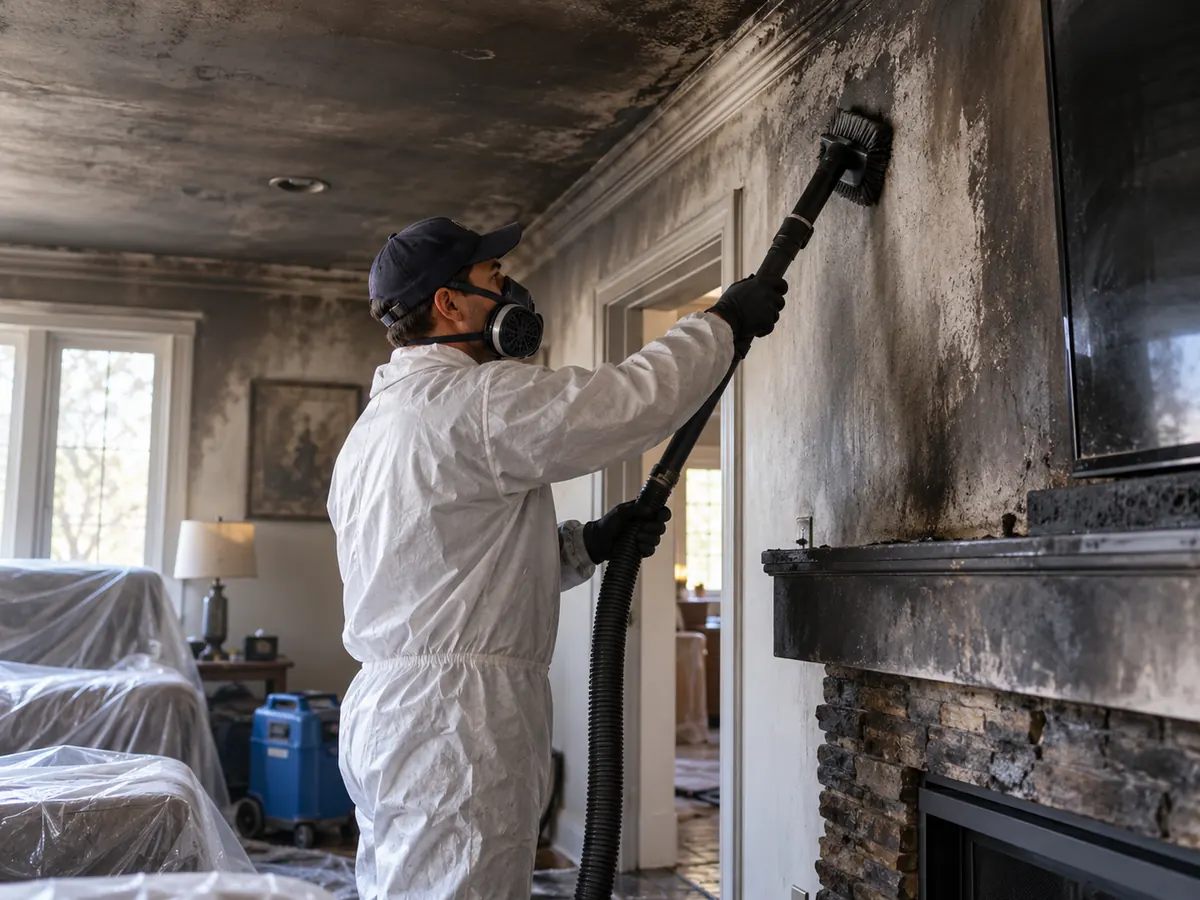
Illustrative home interior with smoke and soot cleanup underway
Illustrative residential service scene
TRIAGE FIRST

Start after the fire department clears the scene

Do not re-enter until cleared

No restoration assessment happens before the fire department releases the property. Structural safety, hidden hot spots and air quality are their call, not yours and not a contractor's. If you have not been cleared to re-enter, say so on the call — it sets the entire timeline.

Openings need securing tonight

Broken windows, breached doors and roof openings invite weather, theft and animals into a home that cannot defend itself. Emergency board-up is the first physical work after clearance — it cannot wait for the restoration plan.

Water damage rides along

Firefighting water soaks what the fire did not burn. The water emergency starts the moment the fire emergency ends — extraction and drying run in parallel with soot assessment, because mold does not wait for the restoration schedule.

SAFETY

Soot and smoke are hazards, not just dirt

  1. Limit entry to what is necessary

    Soot contains fine particulates and residues that irritate lungs and skin. Until professional cleaning begins, keep entry brief, wear a respirator if you must go in, and keep children, elderly residents and pets out entirely.

  2. Do not run the HVAC

    A running system spreads soot through every duct and coats the equipment. Keep the system off until ducts and the air handler are assessed — restarting it too early turns a room-by-room problem into a whole-house one.

  3. Document before anything is cleaned

    Photograph every room and damaged item before cleanup begins. Insurers work from that record, and soot cleaning — unlike water extraction — is largely irreversible once started. Photos first, always.

AFTER THE FIRE

The hours after the fire decide the restoration

Most fire damage in homes is not the dramatic total loss — it is a kitchen fire contained to one room, with smoke and soot reaching everywhere else. The urgent work in those first hours is always the same trio: secure the openings, address the water, and stop soot from setting permanently into surfaces.

Kitchen fires and smoke spread

The most common residential fire starts at the stove and is out in minutes — but smoke travels through the whole home in that time. Soot is acidic and etches surfaces the longer it sits; speed of cleaning matters more than most people expect.

Board-up cannot wait

An unsecured fire-damaged home is an open invitation — to weather, to theft, to squatters. Emergency board-up is typically the first authorized work, often before any cleaning estimate exists. Fire damage information →

What the Red Cross covers first

If your home is unlivable tonight, immediate needs — shelter, clothing, food — come before restoration logistics. The Red Cross and your insurer's emergency line are the first two calls; the restoration call follows — Red Cross fire recovery →

Fire out but home not livable?

Secure it tonight, document everything, and call. Say whether you have been cleared to re-enter.

Call (407) 537-0765

Emergency calls answered 24/7; on-site availability is confirmed on the call.

SCOPE

What emergency fire damage help covers

Emergency fire damage work has three phases, in order: securing the property (board-up of openings), addressing the water from firefighting (extraction and drying), and beginning soot and smoke remediation (surface cleaning, odor treatment, HVAC assessment). The first two are tonight's work; the third starts as soon as conditions allow.

Full restoration — drywall, flooring, repainting, contents restoration — follows assessment and insurance agreement, not the emergency visit. Be cautious of anyone promising a complete rebuild timeline before the damage is fully documented; fire restoration done out of order creates more problems than it solves.

Fire damage restoration →Water damage restoration →Water extraction →

ON THE CALL

What happens when you call about fire damage

You describe the situation

What burned and how far it spread, whether the fire department has cleared re-entry, whether the home is secured, and whether there is standing water from firefighting. Whether you have somewhere to stay tonight matters too.

Triage and timing are set

Unsecured openings and active water intrusion go first. Soot cleaning assessment follows. You will hear honestly what happens tonight versus what gets scheduled.

The visit starts with securing

Expect board-up of openings first, then water extraction assessment, then a walkthrough documenting soot and smoke damage room by room. That documentation becomes the basis for the restoration plan and the insurance file.

COST & AVAILABILITY

Emergency fire damage cost and availability

The extent of the fire, smoke and water damage, the size of the property, board-up needs, and the length of the drying and cleaning phases can all affect the proposed charges. Ask what the emergency stabilization includes versus the full restoration estimate, how insurance documentation is handled, and how additional work will be authorized.

Fire restoration almost always involves insurance — document everything before cleanup begins, keep every receipt from the first night onward, and understand your policy's additional living expenses coverage early. Availability for board-up is typically the fastest response; full restoration crews schedule after assessment.

NEXT STEPS

Decide what needs attention once the property is secured

With openings boarded and water addressed, the emergency phase ends. The restoration decisions that follow deserve clear heads and complete documentation.

Get the full damage assessment in writing

Soot, smoke odor, water damage and structural issues each need documented scope before restoration pricing means anything. The assessment — not a phone estimate — is the document everything else hangs on.

Separate cleaning from rebuilding

Soot remediation and odor treatment come before drywall and paint, always. Rebuilding over unremediated smoke damage seals the odor in permanently — sequence matters more than speed here.

Plan for living elsewhere

Even moderate fire damage often makes a home unlivable for weeks during remediation. Talk to your insurer early about additional living expenses coverage and get the timeline in writing before making housing commitments.

QUESTIONS

Emergency fire damage FAQs

The fire department just left. What do I do right now?

First, confirm you are cleared to re-enter — if not, stay out. Then: call your insurer's emergency line, photograph everything before anything is moved or cleaned, arrange board-up for any openings, and call for restoration help. Do not start cleaning soot yourself; improper cleaning sets stains permanently.

Can I stay in my home after a small kitchen fire?

Often not, even when the damage looks contained. Smoke and soot spread far beyond the fire room, the air quality may be unsafe, and the HVAC system — which would spread contamination — must stay off until assessed. Ask the fire department and your insurer directly; do not decide alone.

Why is there water damage too? The fire was the problem.

Firefighting uses a great deal of water, and it goes wherever the fire was — plus below. The water emergency begins the moment the fire emergency ends: extraction and drying run in parallel with soot assessment, because mold starts within days in Florida's climate.

How quickly does soot need to be cleaned?

Faster than most people expect. Soot is acidic and begins etching glass, metal and finished surfaces within hours; the longer it sits, the more becomes permanent. That urgency is about cleaning — not about rebuilding, which correctly waits for assessment.

Will my homeowners insurance cover fire damage restoration?

Fire damage is typically covered under standard homeowners policies, including smoke and water damage from firefighting — but the details, limits and exclusions are in your actual policy. Document everything before cleanup, mitigate promptly, and keep every receipt from night one.

What is emergency board-up and why does it come first?

Board-up means securing broken windows, doors and roof openings with plywood or similar barriers. It comes first because an unsecured fire-damaged home invites weather damage, theft and liability — everything else in restoration assumes a secured building.

Should I throw away food, clothes and furniture after a fire?

Do not discard anything before documenting and discussing it with your insurer — discarded items are hard to claim. Soot-contaminated food should not be eaten; textiles and furniture are often restorable through professional cleaning. Photograph first, decide with documentation.

Sources and technical references
24/7 INQUIRY LINE

Call for emergency fire damage help in Apopka

Fire out but the home is not livable — openings to secure, water to extract, soot to address. Call and get a straight answer on tonight's steps.

Call (407) 537-0765
Apopka, FLEmergency Fire Damage ☎ (407) 537-0765