
Standing water in a sink
A local P-trap or branch drain may be blocked by soap, grease or food; access and obstruction type guide the choice.
A drain cable or auger can clear many localized obstructions, but the right tool depends on whether the clog is in a toilet trap, fixture branch or main line. Repeated clogs may need more than another pass with a cable.
Emergency calls answered 24/7 for serious active plumbing problems; availability and scheduling confirmed by phone.
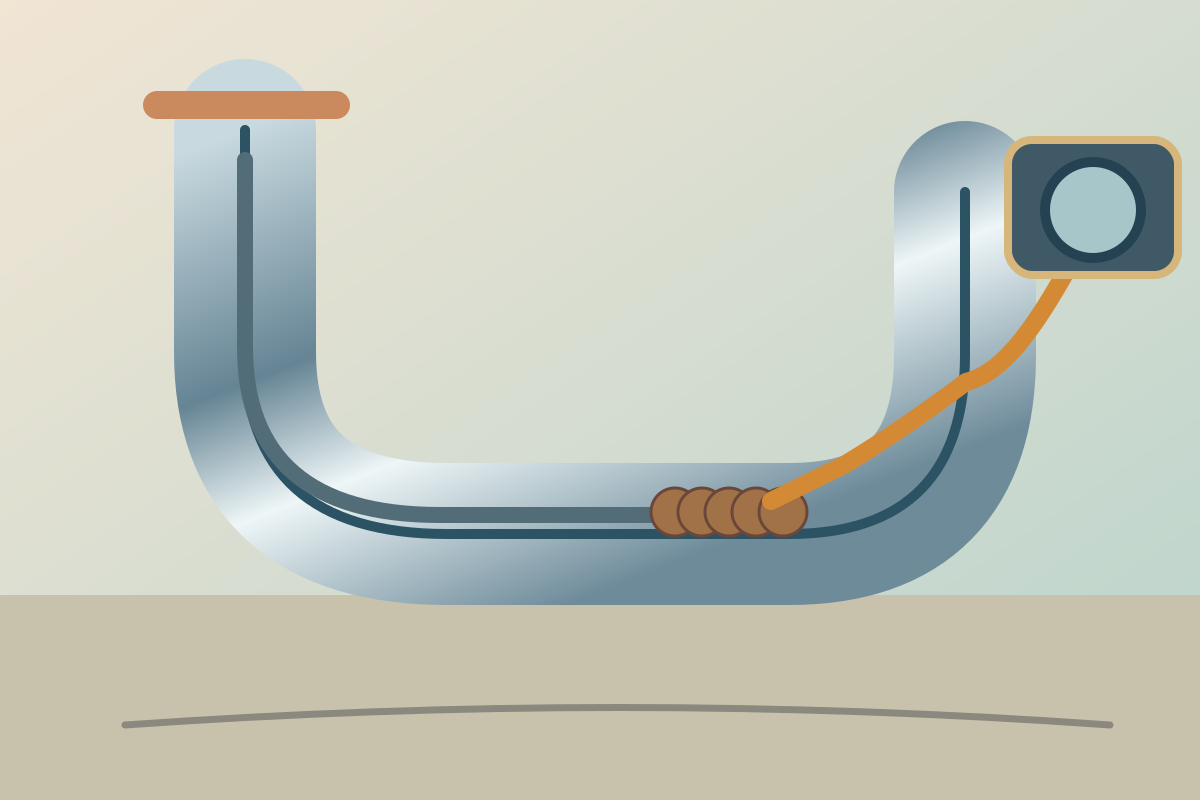
Sewage rising through a tub, floor drain or several fixtures can signal a downstream blockage. Stop using plumbing fixtures, keep children and pets away from wastewater, and call for urgent drain help. One slowly draining sink without overflow usually needs a scheduled appointment. Emergency calls answered 24/7; technician availability is confirmed by phone.
Emergency calls answered 24/7; on-site service availability is confirmed when you call.
Sewage Backup? Call for Urgent Drain HelpEmergency calls answered 24/7. On-site attendance is confirmed when you call.
A local P-trap or branch drain may be blocked by soap, grease or food; access and obstruction type guide the choice.
Hair and soap buildup near the trap are common; repeated slow flow may warrant further investigation.
Repeated clogs may involve the fixture trap, drain geometry or downstream line—not automatically a need for a stronger cable.
A shared branch or main sewer blockage may require cleanout access and sewer diagnosis.
Check the trap, cleanout or fixture-specific route and use a cable size appropriate to the pipe.
A flexible cable or suitable attachment can retrieve or break through certain blockages without indiscriminate high-pressure washing.
Test the affected fixtures and look for signs that the blockage lies farther downstream.
Where snaking repeatedly opens the line but the clog returns, consider camera inspection, hydro jetting or pipe repair when warranted.
Snaking usually opens a passage through localized debris. Jetting may remove more wall buildup but is not suitable for every pipe. Neither repairs a crack or sag.
Tell the plumber if chemical drain products were used. Mixing chemical cleaners or disassembling a treated trap can cause injuries.
One simple isolated clog may clear without video inspection. Frequent recurrence or multiple fixtures can justify further diagnosis.
Tree roots, displaced joints and collapsed segments may cause repeated blockages that need pipe-level repair rather than endless cabling.
A sink or bathtub obstruction may be reachable at a trap or fixture line; the main sewer typically requires a suitable cleanout and a different cable arrangement. Running heavy sewer equipment through a small fragile branch can damage piping. When more than one drain backs up, locate the shared downstream branch rather than treating each fixture independently.
A cable may open a channel in grease, hair or root debris but leave residue coating the pipe. Roots can regrow through a damaged joint. If a drain has a belly, offset joint or collapsed section, the backup may return regardless of repeated cable service. A camera inspection may be appropriate after recurring main-line blockages, not as an automatic upsell for every slow sink.
Record which fixtures are affected and whether slow flow started suddenly or has worsened over months. After clearance, test multiple fixtures and ask whether the cable brought back roots, grease or other debris. If a plumber recommends hydro jetting, have the pipe condition checked first; if they recommend repair, seek evidence of the damaged section and a defined repair scope.
A toilet auger is designed to reach obstructions within the fixture trap while reducing porcelain damage when used correctly. Sink and tub branches may be approached through traps or accessible cleanouts. Main sewer cables require appropriately sized equipment and safe access—forcing heavy equipment through a small or deteriorated branch can cause damage.
A cable may restore flow but cannot fix an offset joint, collapsed pipe, severe corrosion or a recurring root-entry opening. When several fixtures back up or a clog keeps returning, evaluate the common downstream line; repeated cable visits without identifying the cause may not be the best solution.
Tell the plumber whether chemical drain cleaner was added, which fixtures are affected and whether an accessible cleanout exists. Older brittle pipes require a method chosen for their condition. After the blockage clears, flow-test the affected fixture and identify when camera inspection or other follow-up is warranted.
A toilet auger, small drain cable and sewer machine are not interchangeable.
A toilet-specific auger may clear a localized blockage without removing the fixture. Multiple backed-up drains point beyond the toilet trap.
Access through an appropriate trap or cleanout may allow safe cable work. Fragile joints and drain chemicals change the safe approach.
Snaking can restore a path without removing all buildup or correcting damaged pipe. Camera findings may justify broader cleaning or sewer repair.
Correct equipment and handling generally reduce risk; weakened pipe and oversized or improper tools can cause damage.
No. Snaking uses mechanical cable action; jetting uses high-pressure water.
Some cable heads cut through roots temporarily, but the point of entry remains and may need repair.
Avoid adding chemicals, and disclose any already used so the work can be planned safely.
Residual buildup, pipe pitch, roots or structural defects can cause recurrence.
No. Sewage entering living space or widespread backups are urgent; isolated slow drains usually are not.
Sink, shower or bathroom drain still clogged after basic troubleshooting? Call to discuss drain snaking, the appropriate access point and whether a further sewer inspection is warranted.
Call (407) 964-8991