
Water goes hot then cold
Flow rate, overheating limits, mixing valves or control faults can interrupt heating.
Tankless water heater showing an error code, shutting off mid-shower or failing to ignite? The next step depends on the brand, model, water flow, fuel source and fault history—not simply whether the heater needs descaling.
Emergency calls answered 24/7 for serious active plumbing problems; plumber availability and scheduling are confirmed by phone.
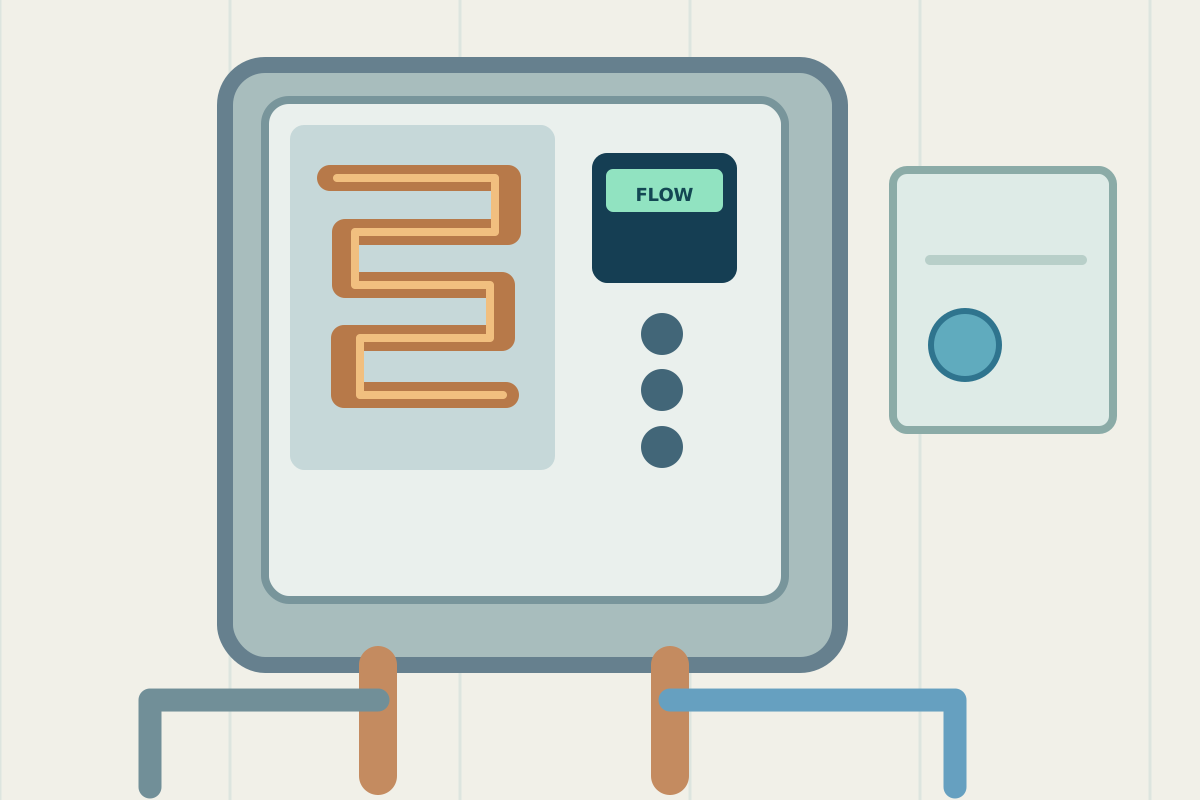
A gas odor, suspected combustion-exhaust issue, overheating or water near energized equipment requires immediate safety action. For a gas smell, leave the area and contact the gas utility or emergency services from a safe location; do not operate switches. Routine descaling and ordinary error codes are generally scheduled work. Emergency plumbing calls are answered 24/7; dispatch is not guaranteed.
For active water leakage near electrical components, avoid contact and shut off supply only if safe. If you smell gas, leave the building and call your gas utility or emergency services from outside before contacting plumbing service.
Call for an Urgent Heater Leak — (407) 964-899124/7 emergency call answering. Technician availability and dispatch are confirmed when you call.
Flow rate, overheating limits, mixing valves or control faults can interrupt heating.
Codes vary by brand and model. Record the exact code rather than assuming it means the heat exchanger needs replacing.
Inlet screen buildup, fixture flow, pressure issues or scale can restrict delivery.
Fuel supply, ignition components, combustion air and vent conditions require qualified diagnosis.
Confirm fuel type, model, code history, inlet pressure/flow and operating conditions. Do not guess solely from the display.
Inspect inlet screens and assess heat-exchanger fouling. Descaling uses manufacturer-approved procedures and intervals.
Check relevant sensors and safe combustion/vent operation with qualified personnel; never bypass safety interlocks.
Replace defective components where sensible, then verify hot-water delivery and safe operation at realistic fixture flow.
Mineral buildup can narrow heat exchangers, but gas, wiring, sensor or undersized-capacity problems will not be fixed by flushing.
Some heaters only fire above a minimum flow; low-flow fixtures or inlet restrictions can cause intermittent heat even when the unit is not broken.
Assess unit age, heat-exchanger condition, parts availability, warranty and cost; replacement may be more reasonable for a failed exchanger.
Water hardness varies by supply and treatment. Recommend testing rather than claiming every home has identical mineral levels.
Different models use different diagnostic codes, combustion controls and flow thresholds. Share the unit brand, model number, display code and whether the problem affects all taps. Check whether a mixing valve or individual fixture could explain temperature changes before blaming the heater.
Gas tankless models require safe combustion-air and vent assessments. Electric tankless systems depend on electrical capacity and heating components. A technician qualified for the specific unit should interpret alarms and test it without defeating built-in safety protections.
Repeated shutdown after descaling can indicate a different underlying failure, including a flow sensor, control board, combustion issue or damaged exchanger. The appropriate next step is fault isolation and an itemized repair decision—not repeatedly clearing codes and hoping the symptom disappears.
Describe the unit model, exact error code, fuel type and whether other fixtures have hot water.
Check water flow, inlet filter, heating controls, ignition or electrical faults as appropriate to the unit.
Explain which components may be repaired and whether maintenance or replacement is justified.
Test hot-water delivery and safe operation after authorized repairs.
Error codes are manufacturer-specific. Record the exact code, whether it appears after a few minutes or immediately, and whether the problem affects all faucets. Do not repeatedly reset a unit that overheats, leaks or reports an exhaust/ventilation fault.
Single-fixture problems can originate in a shower mixing valve or low-flow fixture. Whole-house temperature changes may involve minimum activation flow, incoming water temperature, sizing, sensors, scale or heating-system faults. Diagnosis should separate these before replacing components.
A tankless heater may stop heating for safety, flow or component reasons. The displayed fault code is a clue, not the final diagnosis.
Some models have a minimum activation flow. Check fixture aerators and water-flow restrictions before assuming the burner or heating element has failed.
Record the exact model and fault code. Gas supply, venting, sensors and control faults require model-specific evaluation by properly qualified personnel.
Water at electrical components is a safety concern. For a gas smell, leave immediately and contact the gas utility or emergency services from outside; do not keep resetting the unit.
Flow, scaling, temperature controls and mixing issues are possibilities; diagnosis depends on unit model.
Only some scale-related faults. Ignition, venting and sensor errors need different repairs.
Follow the manufacturer schedule and actual water conditions; do not assume a fixed interval suits every home.
Many serviceable parts can be repaired or replaced, subject to model, condition and parts availability.
Often a scheduled repair, but associated gas odor, overheating or dangerous leaks are urgent safety issues.
No. Repeated safety lockouts may indicate a fault; record the code and arrange assessment.
Call about the symptoms, suitable repair options and appointment availability.
Call (407) 964-8991