APOPKA, FL · HVAC SERVICE INFORMATIONExplore Apopka service area
Home Services ApopkaCall (407) 392-9938 ↗
HEATING & COOLING · APOPKA, FL

Emergency HVAC Repair in Apopka, FL

AC blowing warm air on a 95-degree afternoon, or a furnace that quit on a cold night? In Central Florida, losing cooling is the emergency that matters most. Call about urgent HVAC breakdowns in Apopka — emergency calls are answered 24/7, while on-site availability is confirmed on the call.

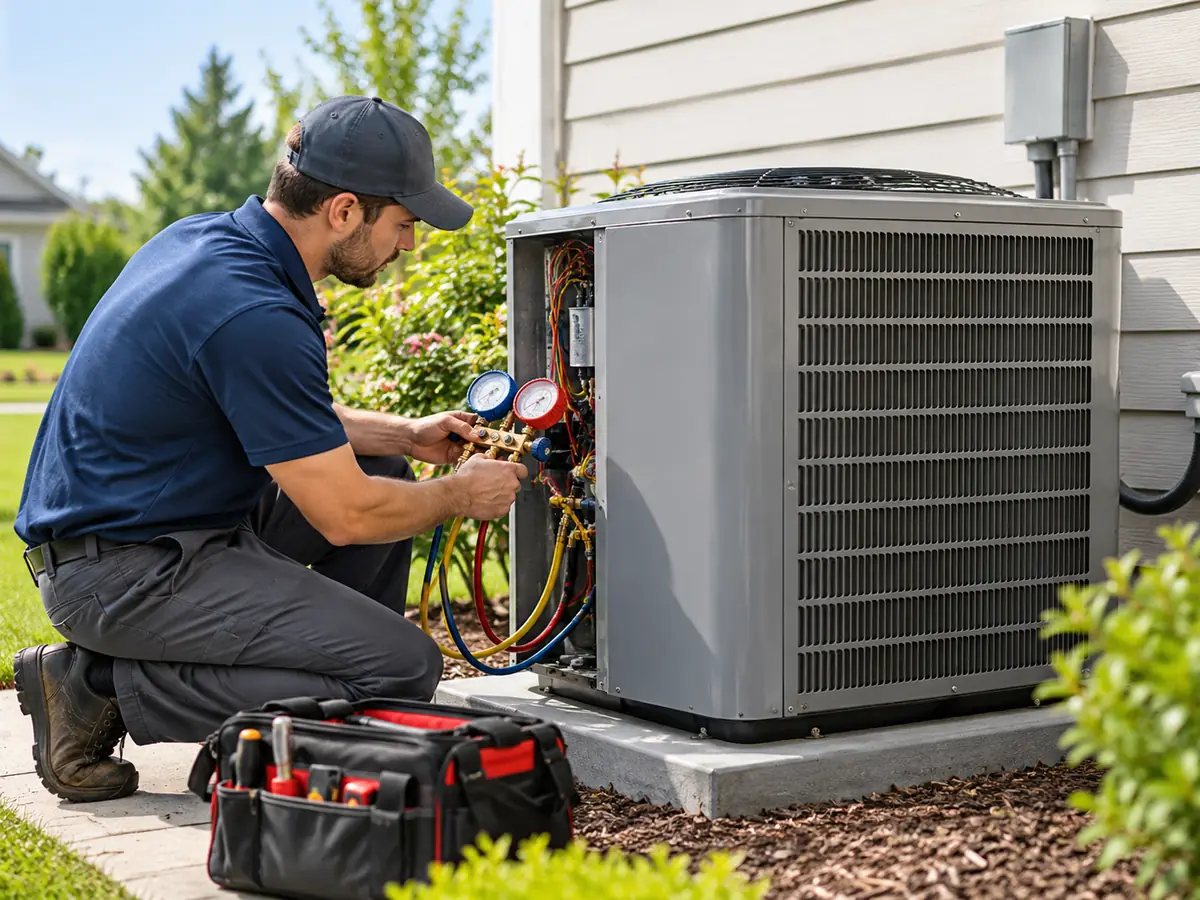
Illustrative outdoor residential AC unit needing urgent repair
Illustrative residential service scene
TRIAGE FIRST

Start with the active risk

No cooling in extreme heat

An AC that blows warm — or stops entirely — during a Florida heat wave is the top-priority HVAC call, especially with infants, elderly residents or anyone with a medical condition in the home. Say who is affected; it changes triage.

Burning smell or loud mechanical failure

A burning odor from vents, grinding or screeching from the air handler, or a unit that trips the breaker repeatedly points to an electrical or mechanical fault. Turn the system off at the thermostat and call — do not keep restarting it.

Water where it should not be

Water pooling around the indoor unit, dripping from ceilings below the air handler, or a soaked drain pan usually means a clogged condensate line or a frozen coil. Shut the system off to stop the water, then call.

SAFETY

Do not open the equipment to investigate it

  1. Turn it off at the thermostat first

    For burning smells, repeated breaker trips or violent noises, switch the system off and leave it off. Restarting a faulted system can turn a repairable part into a destroyed one.

  2. Keep clear of electrical components

    Do not open the air handler, the outdoor disconnect or the breaker panel to look inside. Capacitors hold a charge even with power off, and refrigerant handling is regulated — both are reasons to keep your distance.

  3. Treat water as a second hazard

    Water from an AC leak near electrical equipment or across floors is a slip and shock risk. Shut the system down, keep people away from pooled water near the unit, and mention the water on the call.

FLORIDA REALITY

Heat waves make a dead AC an emergency

Central Florida heat is not just uncomfortable — sustained indoor temperatures in the 90s are a health risk for vulnerable people and can warp flooring, damage electronics and feed mold growth. When the AC dies in July or August, the clock that matters is the indoor temperature, not the calendar.

Vulnerable occupants raise the priority

Infants, elderly residents and anyone with heart or respiratory conditions are affected by heat fastest. Mention who is in the home when you call — it is the single most useful triage detail you can give.

Frozen coils and condensate floods

A system low on refrigerant or starved of airflow can freeze its coil, then dump water when it thaws — sometimes through a ceiling. If you see ice on the refrigerant lines or water at the air handler, shut it off. AC repair information →

Storm-related failures

Lightning and utility switching kill control boards and capacitors, sometimes days after the storm. If the system misbehaved after an outage or surge, say so — Energy.gov heating & cooling guidance →

Indoor temperature climbing?

Do not wait out a Florida heat wave without cooling. Call now and get a straight answer on timing.

Call (407) 392-9938

Emergency calls answered 24/7; on-site availability is confirmed on the call.

SCOPE

What emergency HVAC help covers

An emergency HVAC visit starts with stabilizing the situation: confirming the failure, making the equipment safe, and — where possible — restoring basic function the same visit. Common same-visit fixes include failed capacitors, contactors, thermostats and condensate blockages; compressor or refrigerant-circuit failures may need parts or a return visit.

The visit also separates the urgent from the merely old. A twenty-year-old system that finally quit may be repaired tonight and replaced next month — the emergency call buys comfort now, and the replacement decision can happen calmly later.

AC repair →Furnace repair →Heat pump repair →

ON THE CALL

What happens when you call about an HVAC emergency

You describe the failure

What the system is doing or not doing, any smells or noises, whether breakers tripped, and who is affected by the heat or cold. The brand and approximate age of the equipment help if you know them.

Triage and timing are set

No cooling in extreme heat with vulnerable occupants goes first. A noisy-but-running system goes next. You will hear honestly whether this is a right-now visit or a scheduled one.

The visit starts with diagnosis

Expect checks of the thermostat, breakers, condensate drain, refrigerant pressures and electrical components before any repair decision. You approve the work before it starts.

COST & AVAILABILITY

Emergency HVAC cost and availability

Time of day, the failed component, refrigerant type and amount, parts availability and system access can all affect the proposed charges. Ask whether diagnosis is a separate charge, how after-hours rates work, and how unexpected conditions or additional work will be authorized before they happen.

Summer heat waves are peak season — call volume is highest exactly when you need help most. Calling early in the failure, rather than after a full day without cooling, genuinely improves your chances of same-day service. Record the symptoms; warranty and insurance questions depend on the actual equipment and policy.

NEXT STEPS

Decide what needs attention after the immediate crisis is controlled

Once the home is cool (or warm) again, the emergency is over. What follows are calmer decisions about the system's future.

Repair it or start planning replacement

A failed capacitor on a five-year-old system is a repair. A dead compressor on a fifteen-year-old system is a conversation about replacement. Ask for the honest math on both paths.

Fix the cause, not just the symptom

Repeated condensate floods mean the drain line needs more than clearing; repeated freeze-ups mean airflow or refrigerant issues need addressing. Emergency fixes restore comfort — follow-up fixes prevent the next emergency.

Schedule the maintenance it was missing

Most emergency HVAC calls trace back to deferred maintenance: clogged drains, dirty coils, dying capacitors. A scheduled tune-up is the cheapest emergency call you will never make.

QUESTIONS

Emergency HVAC FAQs

My AC is blowing warm air. Is that an emergency?

In a Florida summer, effectively yes — especially with vulnerable people in the home. Warm air can mean a failed capacitor, a refrigerant issue or a control failure, all diagnosable on a visit. Call now rather than waiting through a hot night; indoor temperatures climb faster than most people expect.

The breaker for the AC keeps tripping. What should I do?

Leave it off and call. A breaker that trips repeatedly on an HVAC circuit indicates an electrical fault — a failing compressor, a shorted wire or a bad capacitor. Resetting it repeatedly risks damage to the equipment and the wiring.

There is water pooling around my indoor AC unit. How urgent is that?

Shut the system off at the thermostat first — that stops the water at the source — then call promptly. It is usually a clogged condensate drain or a frozen coil, both fixable, but standing water near electrical equipment and the mold risk from delay make it a same-day matter.

My heat pump blows cold air in heating mode. Emergency?

On a genuinely cold Central Florida night, loss of heating counts as urgent, particularly for vulnerable occupants. Note whether the outdoor unit is iced over or the auxiliary heat indicator is on — those details speed up diagnosis.

Should I try to thaw a frozen AC coil myself?

You can turn the system to fan-only or off and let it thaw, which is safe. Do not chip at ice, pour hot water on the coil, or open the air handler. And know that the ice is a symptom — low refrigerant or restricted airflow caused it — so the underlying problem still needs a visit.

How fast can someone get here during a heat wave?

Honestly, heat waves are peak demand, and same-day service is not guaranteed. Calling at the first sign of failure — not after a full day without cooling — gives the best chance. Describe who is affected by the heat; it matters for triage.

What should I have ready when I call?

The system type (central AC, heat pump, mini-split), approximate age, what it is doing or not doing, any smells, noises or water, whether breakers tripped, and who is affected. That summary lets the call be triaged in under a minute.

Sources and technical references
24/7 INQUIRY LINE

Call for emergency HVAC repair in Apopka

No cooling in the heat, no heat on a cold night, burning smells or water at the unit — describe the failure and get a straight answer on timing.

Call (407) 392-9938
Apopka, FLEmergency HVAC Repair ☎ (407) 392-9938