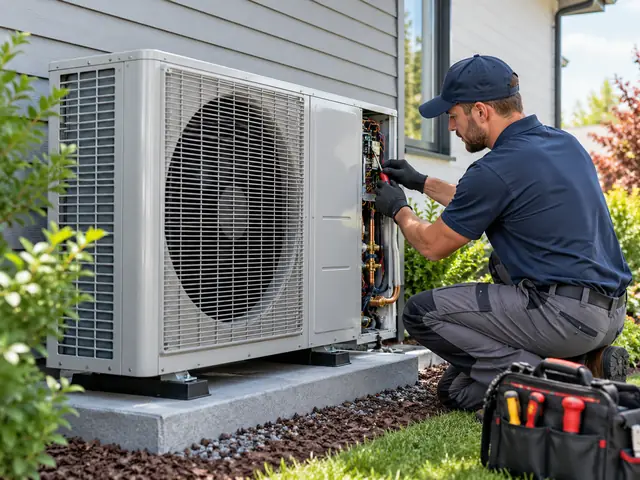
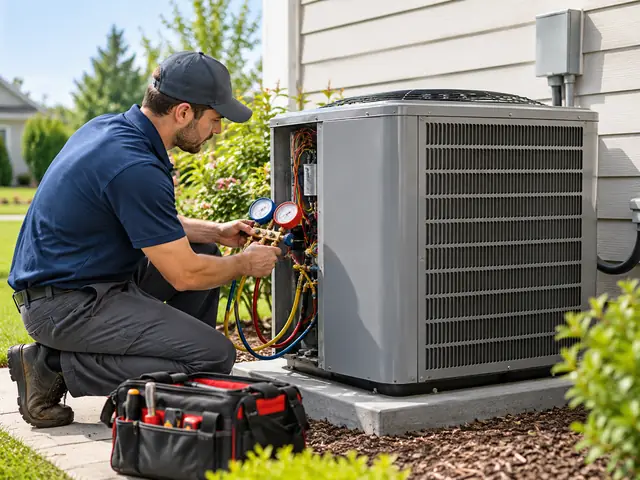
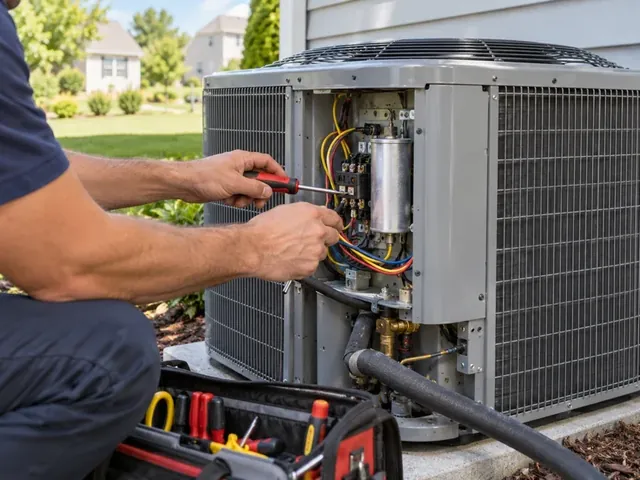
The thermostat asks for heat, but nothing happens
This may involve controls, power, a safety cutoff, or the furnace itself. Check ordinary thermostat settings; leave equipment covers and wiring alone.
No heat from your furnace in Apopka? The first step is confirming the heating equipment you have, then diagnosing the fault safely. Learn what to check from a safe distance, when a gas or venting problem is an emergency, and how furnace repair differs from heat-pump repair.
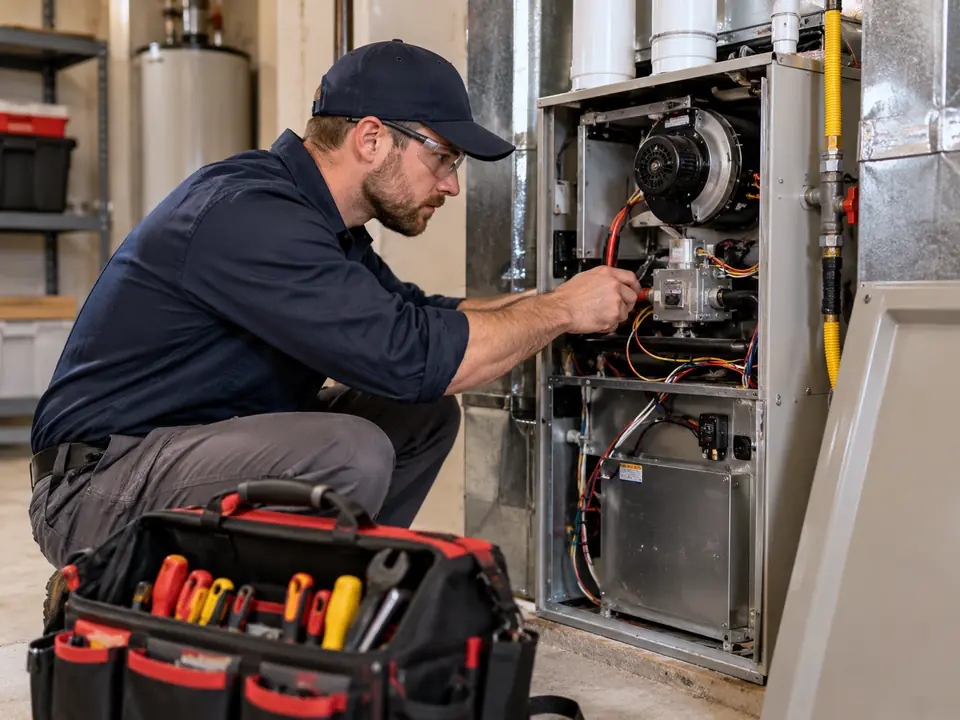
Different symptoms can point to different work. Start with what you can safely observe.
This may involve controls, power, a safety cutoff, or the furnace itself. Check ordinary thermostat settings; leave equipment covers and wiring alone.
A furnace can move air without producing heat. Mention whether the blower runs constantly or only in short bursts.
Repeated short cycles may have several causes, including airflow or safety-control issues. Avoid resetting safety switches or bypassing controls.
Furnace repair may involve thermostat controls, blower airflow, ignition or heating elements, and safety switches. Gas furnaces also require combustion and venting checks; electric furnaces and heat pumps call for different testing. For reversible systems, see heat-pump repair.
A qualified technician can confirm the diagnosis, repair options and scheduling. Your call is not a confirmed appointment.
A furnace repair begins with confirming the actual equipment type and any safety condition. Fuel-burning systems require appropriate combustion and venting checks; no-heat symptoms in heat pumps should not be treated as furnace faults.
Many Central Florida homes use heat pumps or electric air handlers rather than a separate combustion furnace. Check equipment labeling and thermostat mode before describing the fault; the correct repair depends on the system actually installed.
If you smell gas, leave the area immediately and contact the gas utility or emergency services from a safe location. Do not operate switches, attempt ignition or restart equipment. A suspected venting or carbon-monoxide issue also needs urgent professional attention.
A furnace may heat but move too little air because of filter restrictions, blower faults, controls or safety limits. Repeated shutdowns can indicate a protective response; bypassing limits is unsafe.
Repair may be practical for a verified control, ignition or blower failure. Replacement discussions should reflect equipment condition, safety findings, repair cost and whether the home actually uses a furnace instead of a heat pump.
Do not operate switches, lights, phones, or flames inside. Leave the building and contact the gas utility or emergency services from a safe location.
If a CO alarm sounds or exposure is suspected, go outside immediately and call 911. Never dismiss or reset an alarm as a substitute for evaluation.
Never heat the home with an oven, grill, or outdoor combustion equipment. Keep combustible items away from heating appliances.
Let the contact agent know whether you have a gas furnace, electric furnace, or heat pump.
Share whether heat is absent, intermittent, or accompanied by odors or alarms.
Call to confirm that service is available for your furnace type and location, then schedule the assessment.
Ask what was tested and confirm the agreed work before proceeding.
No heat during a rare cold snap can be urgent for vulnerable occupants, but a routine heating fault is usually scheduled. For breakdowns that cannot wait for a scheduled visit, see emergency HVAC repair in Apopka. A gas smell or carbon-monoxide alarm is an emergency: leave the property and contact emergency services, not an ordinary repair line.
No. Heat pumps move heat and often serve cooling as well. Furnaces produce heat using gas or electric components. Identifying the equipment avoids an incorrect repair pathway.
Leave immediately without operating switches or flames and contact the gas utility or emergency services from outside.
Not necessarily. Emergency calls may be answered 24/7; on-site availability and repair appointments must be confirmed.
Do not bypass safety controls or repeatedly reset a unit showing dangerous symptoms. Describe the behavior to a qualified professional.
No. Some Apopka homes heat with a heat pump or electric resistance system. Check the equipment type; a heat-pump problem belongs with heat-pump diagnostics.
Leave immediately and call the gas utility or emergency services from outside. Do not restart the system or use nearby switches.
The cause can involve sensors, ignition, controls, airflow restrictions or a safety shutdown. A qualified technician should identify why the system is shutting down rather than repeatedly resetting it.
When safety issues cannot be remedied economically, major failures recur or the full system condition makes another repair impractical. The decision should follow diagnosis and a clear estimate.
Call about the problem and confirm emergency service availability. Calls may be answered 24/7, but on-site response and repairs are not guaranteed.