APOPKA, FL · PEST CONTROL INFORMATIONExplore Apopka service area
Home Services ApopkaCall (407) 537-0972 ↗
RESIDENTIAL PEST CONTROL · APOPKA, FL

Emergency Pest Control in Apopka, FL

A wasp nest by the front door, rodents in the kitchen, or stinging insects where children play? Some pest problems cannot wait for a scheduled visit. Call about urgent pest situations in Apopka — emergency calls are answered 24/7, while on-site availability is confirmed on the call.

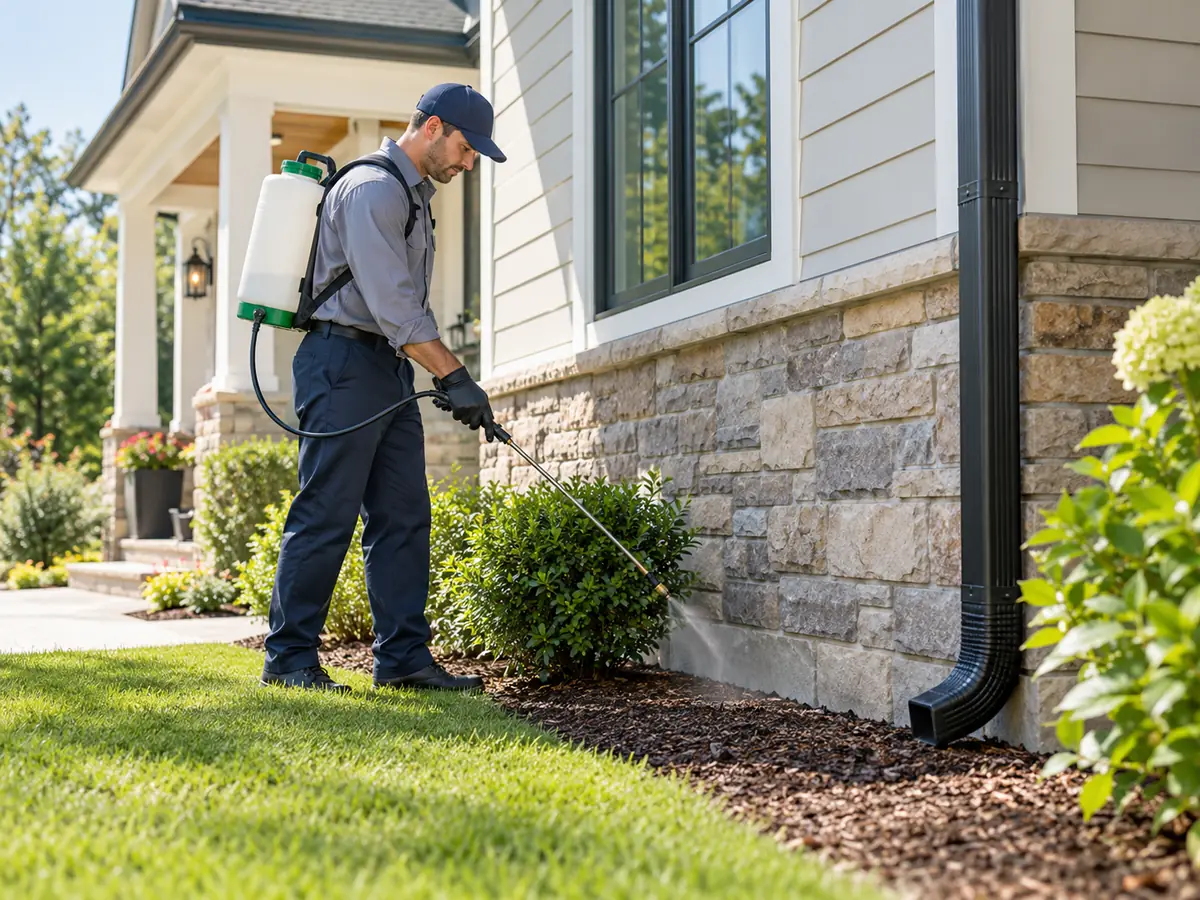
Illustrative pest control inspection around a home exterior
Illustrative residential service scene
TRIAGE FIRST

Start with the active risk

Stinging insects near people

A wasp, hornet or yellow-jacket nest at an entryway, play area or walkway — especially with allergic residents — is the clearest pest emergency. Do not disturb the nest; multiple stings escalate fast. Keep everyone, including pets, away and call.

Rodents inside the living space

Rats or mice in the kitchen or bedrooms are a contamination and fire risk (gnawed wiring), not just a nuisance. Scratching at night, droppings in food areas or a sighting in daylight all mean established activity — describe what you have seen.

What is not an emergency

A few ants on the patio, a single spider, or seasonal insects outdoors are scheduled-visit matters. Calling them emergencies wastes your money and the dispatcher's triage. When in doubt, describe it and ask — an honest answer beats an unnecessary visit.

SAFETY

Do not attack the nest yourself

  1. Leave stinging-insect nests alone

    Spraying a wasp nest with a hardware-store can often just anger the colony — and the person holding the can. Disturbed nests defend aggressively. Retreat indoors, keep pets inside, and let protective equipment do the work.

  2. Know the allergy situation in your home

    If anyone in the household has a known sting allergy, say so first on the call — it changes triage priority. Keep epinephrine accessible and know the route to urgent care, just in case.

  3. Do not seal rodents in

    Blocking the hole you saw a rat use, without addressing the animals already inside, traps them in wall voids where they die — and the smell and flies that follow are worse than the original problem. Exclusion comes after removal, not before.

FLORIDA REALITY

Florida's climate keeps pests active year-round

Central Florida does not get a real winter kill-off, so pest pressure never fully resets. Paper wasps build under eaves in spring, yellow jackets nest in the ground through summer, and roof rats stay active all year — using attics and soffits as warm, dry harborage. Year-round activity means urgent situations do not follow a season.

Paper wasps and yellow jackets

The two most common stinging emergencies here: papery nests under eaves and overhangs, and ground nests discovered by a mower. Both defend vigorously when disturbed. Mark the location from a distance and keep mowers, children and pets away. Pest control information →

Roof rats in attics and soffits

Scratching above the ceiling at night, droppings near the water heater or in the garage, gnaw marks on wiring or pipes — roof rats are excellent climbers and Florida attics suit them. Daylight sightings mean a large or bold population.

Fire ants after rain

Heavy rain floods fire ant colonies out of the ground and into yards, patios and sometimes structures. Disturbing a flooded-out mound brings an aggressive response — keep off the area and EPA safe pest control guidance →

Nest, swarm or rodents indoors?

Do not handle it yourself. Describe what and where, mention allergies, and get a straight answer on timing.

Call (407) 537-0972

Emergency calls answered 24/7; on-site availability is confirmed on the call.

SCOPE

What emergency pest help covers

An emergency pest visit is about neutralizing the immediate threat: treating or removing an active stinging-insect nest, addressing rodents inside the living space, and making entry points safe. The technician works in protective equipment with professional products — not the hardware-store can that started the problem.

The visit also draws the line between the emergency and the program. Killing the visible wasps does not prevent next spring's nest; removing rats does not seal the soffit gap they used. Expect the emergency handled tonight and a prevention plan proposed for later — exclusion, sanitation and monitoring are scheduled work, not emergency work.

Rodent control →Termite treatment →Pest control services →

ON THE CALL

What happens when you call about a pest emergency

You describe the pest and location

What it is (or your best description), where it is, how many, whether anyone has been stung or bitten, and whether anyone in the home has sting allergies. A photo from a safe distance helps enormously.

Triage and timing are set

An active wasp nest at a doorway with an allergic resident goes first. A single rodent sighting with no food contamination goes next. You will hear honestly whether this is a right-now visit or a scheduled one.

The visit targets the threat

Expect protective equipment, targeted treatment or removal of the immediate problem, and an assessment of entry points and attractants. Prevention recommendations follow — you decide on those separately.

COST & AVAILABILITY

Emergency pest control cost and availability

Time of day, the pest involved, nest location and accessibility, the treatment method and whether protective exclusion work is needed can all affect the proposed charges. Ask what the emergency visit includes versus what a follow-up prevention plan would cost separately, and how any additional work will be authorized.

Stinging-insect calls peak in warm months — the same season everyone else is calling. Describing the exact location and the allergy situation gets you triaged fastest. Note that some situations (protected wildlife, honeybee swarms) may be referred to specialists rather than exterminated; ask what the options are.

NEXT STEPS

Decide what needs attention after the immediate danger is controlled

Once the nest is gone or the rodents are out, the emergency is over. Prevention is what keeps it from recurring.

Seal what let them in

The emergency visit removes the animals; exclusion keeps the next ones out. Soffit gaps, foundation vents, pipe penetrations and door sweeps are the usual suspects — schedule the sealing work the visit identified.

Remove what attracted them

Unsecured trash, pet food left out, bird feeders near the house and standing water all invite pests back. Sanitation changes are free and often matter more than the treatment did.

Set up monitoring, not just memory

A quarterly or seasonal inspection catches the next nest or entry point while it is small. Emergency pest control is expensive; routine monitoring is the cheap version of the same outcome.

QUESTIONS

Emergency pest control FAQs

There is a wasp nest by my front door. Can I just spray it myself?

Strongly discouraged. Consumer sprays often fail to kill the colony and succeed in provoking it — and the person holding the can is the closest target. Nests near doorways, especially with children, pets or allergic residents nearby, are exactly what emergency service exists for.

How do I know if I have roof rats or just mice?

Size and location tell the story: roof rats are larger (body 6–8 inches plus tail), excellent climbers, active in attics and soffits at night; house mice are smaller and stay closer to ground-level food. Droppings size differs too — rat droppings are roughly half an inch. Describe what you have seen and heard; identification shapes the response.

Someone in my home is allergic to stings. Does that change anything?

Yes — say so first on the call. A known sting allergy upgrades any stinging-insect situation in triage priority. Keep epinephrine accessible, know the route to urgent care, and keep the allergic person well away from the nest area until it is handled.

Can you relocate honeybees instead of killing them?

Often yes — established honeybee swarms and hives are frequently referred to local beekeepers for live removal rather than extermination. Describe what you see; a beekeeper referral is a common and better outcome for honeybees, though it follows the beekeeper's schedule, not an emergency one.

I hear scratching in the walls at night. How urgent is that?

Prompt, not panic — but do not ignore it. Nightly scratching usually means established rodent activity in voids, with contamination and gnawed-wiring risks growing over time. It is a call-now-or-tomorrow situation, not a next-month one.

Will one emergency visit solve a rodent problem permanently?

The visit removes the current animals and identifies entry points, but lasting control needs exclusion (sealing gaps) and sanitation changes afterward. Think of the emergency visit as the rescue and the follow-up work as the cure — ask for both to be quoted separately.

What should I do before help arrives for a wasp nest?

Keep everyone — people and pets — away from the area, mark the nest location from a safe distance so you can direct the technician, do not spray or poke it, and if anyone has been stung and shows signs of allergic reaction (trouble breathing, swelling beyond the sting site), seek medical help immediately.

Sources and technical references
24/7 INQUIRY LINE

Call for emergency pest control in Apopka

Stinging nest, rodents indoors or an infestation that cannot wait — describe what and where, mention allergies, and get a straight answer on timing.

Call (407) 537-0972
Apopka, FLEmergency Pest Control ☎ (407) 537-0972