APOPKA, FL · ROOFING SERVICE INFORMATIONExplore Apopka service area
Home Services ApopkaCall (407) 904-1223 ↗
RESIDENTIAL ROOFING · APOPKA, FL

Emergency Roof Repair in Apopka, FL

Water dripping from a ceiling, shingles scattered across the yard, or a tree limb through the roofline? Protect the interior first, then call about urgent roof help in Apopka. Emergency calls are answered 24/7, while on-site availability is confirmed on the call.

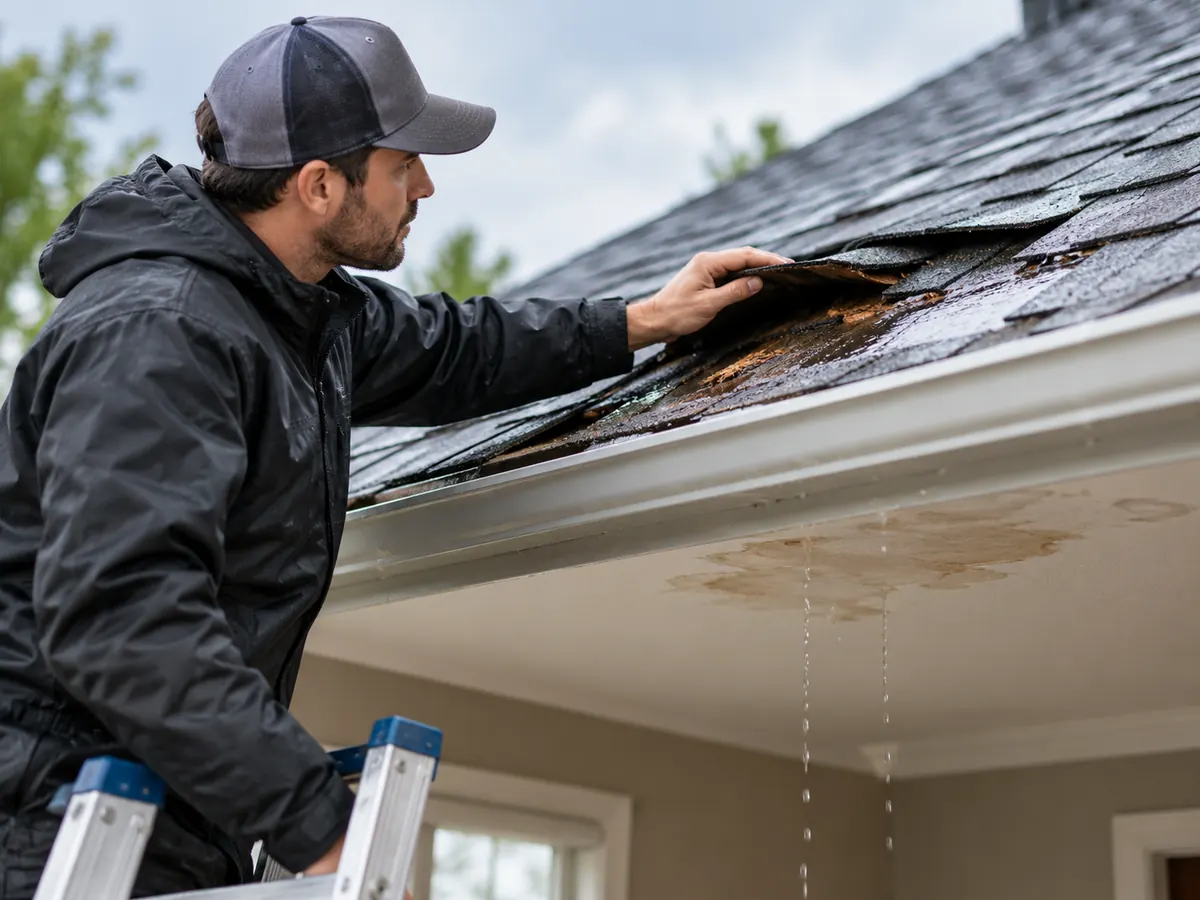
Illustrative residential roof with storm damage and active leak
Illustrative residential service scene
TRIAGE FIRST

Start with the active risk

Water actively entering

Drips, streams or new stains spreading across a ceiling during or after rain mean the roof's weather barrier is breached. Contain the interior water first — buckets, towels, moving valuables — then call. The interior damage grows faster than the roof damage.

Visible structural damage

A fallen limb, a visibly sagging section, or decking you can see through from the attic are structural situations, not just leaks. Keep everyone out from under the affected area and say so explicitly on the call.

Missing or scattered shingles

Shingles in the yard after a storm do not always mean an active leak — but every missing shingle is an entry point for the next rain. If the forecast shows more weather coming, that timing makes it urgent.

SAFETY

Stay off the roof

  1. Do not climb up to look

    Wet, storm-damaged roofing is exactly as dangerous as it looks — slick surfaces, hidden soft spots and live power lines in fallen debris. Every useful assessment for an emergency call can be done from the ground or the attic hatch.

  2. Watch the attic, not the shingles

    If you can safely access the attic, a flashlight check shows active drips and wet decking without anyone leaving the ground. Note where water enters relative to rooms below — that location detail is gold on the call.

  3. Treat standing water and electricity as a pair

    Water entering near light fixtures, ceiling fans or attic wiring is an electrical hazard as well as a roofing one. If water and wiring are mixing, keep clear and mention it first.

FLORIDA REALITY

Storm season is roof emergency season

Central Florida's summer storms, tropical systems and hurricane season are the main authors of roofing emergencies here. High wind lifts shingles and flashing, driving rain exploits every weakness, and falling limbs do the rest. The pattern to know: damage often happens in one storm and leaks in the next.

Wind-lifted shingles and flashing

Shingles do not have to be missing to leak — wind can break their seal and lay them back down looking almost normal. After any severe storm, a ground-level check for lifted edges is worth doing. Roof repair information →

Emergency tarping buys time

A properly secured tarp over the damaged area keeps the next rain out while a permanent repair is scheduled. Ask about emergency tarping on the call — it is the standard bridge between storm damage and repair day.

Document before anything is moved

Photograph damage from the ground before tarps go up and debris is cleared. Insurers and contractors both work from that record — Ready.gov severe weather guidance →

Water coming in right now?

Contain the interior, stay off the roof, and call. Describe where water enters and what the storm did.

Call (407) 904-1223

Emergency calls answered 24/7; on-site availability is confirmed on the call.

SCOPE

What emergency roof help covers

An emergency roofing visit is about stopping water entry, not about a full roof replacement. Expect assessment of the breach, emergency tarping or temporary sealing, and interior protection guidance. The permanent repair — shingle replacement, flashing work, decking repair — gets scoped and scheduled once the home is dry.

Be clear about what the visit can and cannot do in one trip. Tarping and temporary seals are same-visit work; structural decking replacement and full-slope repairs need materials, daylight and dry conditions. The emergency call buys you a dry interior while the real repair is planned properly.

Roof repair →Roof replacement →Water damage restoration →

ON THE CALL

What happens when you call about a roofing emergency

You describe the breach

Where water is entering, what the storm or impact did, whether it is still raining, and whether there is visible structural damage. Ground-level photos help; roof photos are never worth the climb.

Triage and timing are set

Active interior water entry during rain goes first. Tarping needs before the next storm go next. You will hear honestly whether this is a right-now visit or a scheduled one.

The visit starts with stabilization

Expect the roofer to assess from the ground and attic, then tarp or temporarily seal the breach. Permanent repair options and insurance documentation come after the home is protected.

COST & AVAILABILITY

Emergency roofing cost and availability

Time of day, roof height and pitch, the size of the damaged area, tarping versus temporary repair, and whether structural work is involved can all affect the proposed charges. Ask whether the emergency visit fee is separate from the repair quote, and how follow-up permanent work will be priced and authorized.

After a major storm, every roofer in Central Florida is busy — calling early genuinely matters. Document damage from the ground before anything is moved; insurance decisions depend on the actual policy, the documented damage and the facts, not on assumptions.

NEXT STEPS

Decide what needs attention after the immediate danger is controlled

Once the tarp is on and the interior is dry, the emergency is over. The calmer decisions about the roof's future come next.

Temporary seal or permanent repair now

A small, contained breach can sometimes be permanently repaired on the follow-up visit. Larger or structural damage gets tarped first and repaired once materials and dry weather align — ask which path fits your damage.

Check what the water touched

Roof leaks soak insulation, decking and ceilings. Wet insulation loses its effectiveness and feeds mold; ask whether the attic insulation and interior finishes need assessment too.

Review the roof's age honestly

A storm-damaged twenty-year-old roof and a storm-damaged five-year-old roof are different conversations. The emergency visit stops the water; the age of the roof decides whether repair or replacement is the honest recommendation.

QUESTIONS

Emergency roof repair FAQs

Water is dripping from my ceiling right now. What do I do first?

Contain the interior: buckets under drips, towels around the spread, move furniture and electronics, and poke no holes — despite the folk advice, draining a bulging ceiling yourself can release a sudden flood. Then call. If water is near light fixtures or wiring, treat it as an electrical hazard too and keep clear.

Can a roofer actually fix anything while it is still raining?

Permanent repairs need dry conditions, but emergency stabilization does not wait for sunshine. Tarping and temporary sealing happen in the rain — that is precisely what they are for. The lasting repair gets scheduled once conditions allow.

A tree limb hit my roof. Is that automatically an emergency?

If there is visible structural damage, a sagging section, or water entering — yes, call now and keep everyone out from under the affected area. If the limb is resting on the roof with no visible breach and no rain in the forecast, it is urgent but not necessarily a middle-of-the-night call. Describe what you see.

Should I file an insurance claim before or after calling a roofer?

Call the roofer first to stop the water — mitigation is your responsibility under most policies and delays hurt your claim. Document everything from the ground with photos before tarps go up. Then file, with the documentation in hand.

How is emergency tarping different from a repair?

Tarping is a weather barrier, not a repair: a secured waterproof cover over the damaged area that keeps rain out until permanent work happens. A good emergency tarp buys weeks, not months — schedule the real repair promptly.

My shingles are in the yard but I see no leak. Do I still need help?

Yes, before the next rain. Missing shingles are open entry points even if nothing is dripping yet, and Florida's forecast rarely gives you long. This is the ideal emergency-tarping scenario: cheap prevention versus expensive interior damage.

What information helps most on an emergency roofing call?

Where water is entering (which room, where on the ceiling), what caused it (storm, fallen limb, unknown), whether it is still raining, any visible structural damage, the roof's approximate age and material, and ground-level photos. That summary triages the call in under a minute.

Sources and technical references
24/7 INQUIRY LINE

Call for emergency roof repair in Apopka

Active leak, storm damage or a breach that the next rain will find — describe it from the ground and get a straight answer on timing.

Call (407) 904-1223
Apopka, FLEmergency Roof Repair ☎ (407) 904-1223