APOPKA, FL · HOME REPAIR & RESTORATIONExplore Apopka service area
Home Services ApopkaCall (407) 557-4771 ↗
Roofing · Apopka, FL

Roof Replacement in Apopka, FL

There comes a point when patching stops working — we see it every storm season: the repairs hold for a season, then the next storm finds a new weak spot, and the insurance letters start arriving. A full replacement isn't a bigger repair. It's a different job entirely, and it's what we do: everything comes off down to the wood, the deck gets inspected and re-nailed, a secondary water barrier goes on, and your house gets a roof built to today's code. This page walks you through the job the way we scope it — tear-off vs. overlay, what Florida code requires underneath, which materials survive here, and what the work days actually look like. If you searched for roof replacement near me in Apopka, this page explains the work involved so you can describe the problem clearly when you call.

Start with the moments that tell us the patching phase is over.

We connect you with licensed and insured roofing contractors in Apopka, FL.

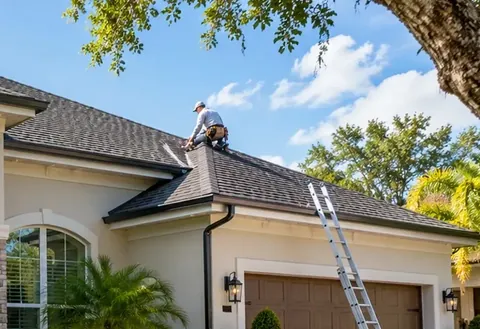
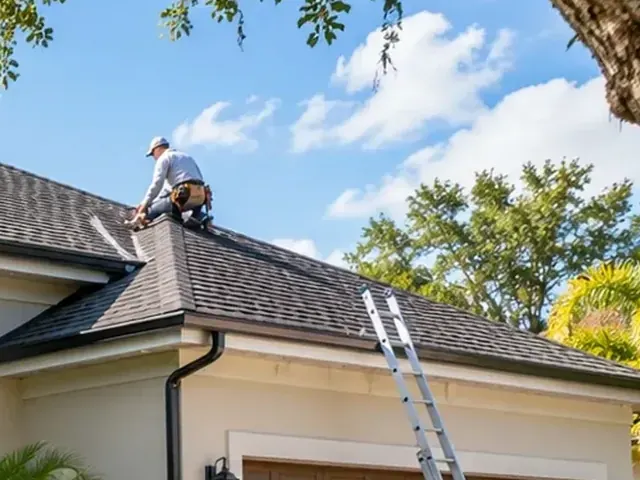
Residential roof replacement work viewed from yard
Roof Replacement · APOPKA, FL
⌖ Apopka, FloridaCall about this serviceReview the scope before approving work
The moment it's worth calling

Four moments that mean replacement, not another repair

01 / Symptom

Repairs are stacking up and the fixes won't hold

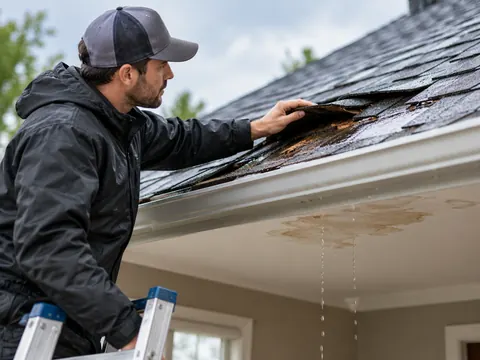
One leak sealed in spring, another flashing patched in summer, and now a new stain after the last storm. We see this pattern constantly: when shingles are brittle, sealant strips won't re-bond — the repair material can't grip what it's nailed to. Two or more leak calls in a single storm season on a roof past its second decade means you're paying for patches on a system that's done.

Do now: stop authorizing one-off patches; ask us for a full replacement assessment with the deck included.

02 / Symptom

The wear is everywhere, not in one spot

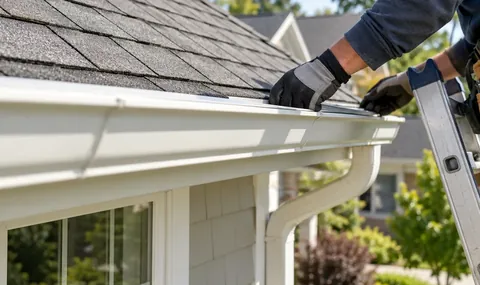
Granules piling in the gutters, shingles curling at the edges, tabs that lift in a stiff breeze and don't lie flat again. We tell every caller our rule: localized damage is a repair; systemic wear — the same failure on every slope — means the covering has aged out as a unit. In Florida's UV, asphalt sheds its protection years before the warranty runs out; what looks "mostly fine" from the street can be paper-thin up close.

Do now: photograph the gutter granules and the worst slope from the ground; note the roof's age from permit records. We'll read the rest from up there.

03 / Symptom

The insurance letter arrives

Florida carriers watch roof age the way lenders watch credit scores — we navigate this with homeowners constantly. When your carrier flags the roof's age at renewal — or a buyer's inspection kills a sale — the timeline stops being yours. An older roof also narrows your options: once there are two layers of covering, Florida code mandates a full tear-off, and every overlay you skip now is one fewer choice later.

Do now: pull your policy's roof-age language and the last wind mitigation form before our assessment visit.

04 / Symptom

The tile looks fine, but the roof is failing underneath

Concrete and clay tiles can last 40 to 50 years — but the waterproofing under them was typically built for 20 to 25. We find this constantly: the tile looks perfect from the ground while the underlayment beneath has given up. Recurring leaks at valleys and penetrations on a 20-plus-year-old tile roof usually mean the underlayment, not the tile.

Do now: if your tile roof is past 20 years and leaks keep returning, the question is the underlayment system — say so when you call us.

Understand the work

What a full roof replacement includes

A replacement is a system, not a surface — we build it that way. A complete scope covers each of these, and we itemize them all. If any are missing from a proposal, the quote is incomplete:

  • Tear-off down to the deck. We remove old covering, old underlayment, old flashing — all of it. This is also the only way to see the deck itself.
  • Deck inspection and repair. We replace rotted or delaminated sheathing; what stays gets verified. We find decking surprises mid-job, which is why our scope states how they're priced before work starts.
  • Re-nailing to current code. Orange County's re-roof mitigation rules require verifying deck fastening — plywood or OSB not already fastened with 8d nails at 6 inches on center gets re-nailed by us with 8d ring-shank nails at 6 inches on center. Ring-shank nails resist pullout; smooth-shank and staples don't hold the same way.
  • Secondary water barrier. We apply Florida's required backup waterproof layer on the deck: either a 4-inch self-adhering polymer tape on every deck seam, or the full deck covered in self-adhering (peel-and-stick) membrane — before the standard underlayment goes on. This is the layer that keeps water out when shingles blow off in a storm.
  • Underlayment. We install synthetic underlayment or 30-pound felt per the manufacturer's Florida product approval — the main waterproofing course under the covering.
  • New flashing, not reused. We replace valleys, pipe boots, wall and chimney flashing with the covering. Reused flashing is where replacement roofs leak first — we see it on other contractors' jobs.
  • Ventilation. We install ridge vent with clear soffit intake, sized to code — attics that can't breathe cook shingles from below and trap the moisture Florida air carries.
  • The covering itself. Shingle, metal, or tile — we install per the product's Florida approval, with the nailing or fastening pattern the wind rating depends on.
  • Ridge, hip, and edge details. We set hip and ridge caps, drip edge, and starter courses — the edges and transitions where wind gets its grip.
  • Permit, inspections, and cleanup. We pull the Orange County permit, the deck/underlayment gets a mid-job inspection, the final inspection closes it out. Magnet sweeps for nails, landscaping protected, dumpster gone.

We tell every caller: an asphalt shingle replacement in Apopka typically runs from $8,000 — the confirmed price comes only at inspection, after we've seen the deck, the layers, and the code upgrades your permit needs.

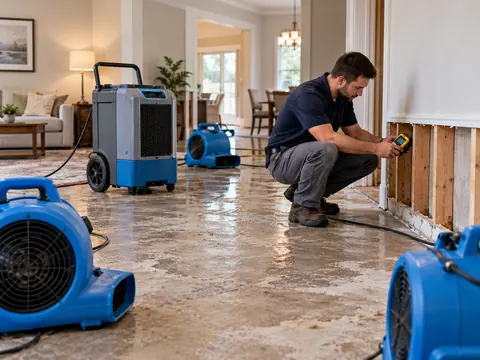
What's NOT in our roofing scope: interior water damage (that's water damage restoration), gutter replacement (gutter services), and solar panel removal/reinstall — coordinate that separately if you have panels.

That's the full system — how we build it. Matched one of the four moments above? Describe the roof's age, material, and how many layers you think are up there when you call (407) 557-4771 — that frames our whole assessment.

Cost of waiting

What waiting does to a roof that's already done

Marginal roofing through another Florida summer

The UV clock doesn't pause

Every month of Florida sun strips more granules and bakes more asphalt — we watch it happen every summer. A roof that's marginal in May is brittle by October — and brittle shingles can't be repaired, which removes your cheapest options one by one. The delay itself narrows what we can still do for you.

Storm water finding the deck

Water finds the deck

Each storm that gets past the covering soaks a little more sheathing. Plywood delaminates, fasteners lose their grip, and a decking repair that would have been a few sheets becomes whole sections. Rot spreads sideways along the deck long before it shows inside. We tell every caller: the decking scope grows with every season you wait.

A roof aging toward mandatory tear-off

Your options narrow

Florida code allows one overlay — a single new layer over a single sound layer. But overlays need a solid base: water-soaked covering, deteriorated shingles, or tile underneath all trigger mandatory tear-off. Every year you wait, the chance the deck still qualifies for an overlay drops.

Carriers watching the roof's age

The insurance clock runs separately

Carriers don't wait for leaks — we see the letters every renewal season. Age-based non-renewal and lost wind-mitigation standing move on their own schedule — and a roof we replace on your timeline gets the full permit and inspection record. A roof replaced after a denial gets rushed, and rushed roofs cost more.

Three checks before the work begins

  • Stay off the roof.

    Heat-softened, storm-damaged, or brittle surfaces injure homeowners every year — and walking a failing roof breaks more of it. We document every assessment detail from the ground, a ladder at the eave, or a drone — you stay down.

  • Verify the permit is posted before tear-off starts.

    An unpermitted replacement skips the mid-job deck inspection — the one moment anyone verifies what's under your new roof. We post the permit before tear-off; no permit posted, no tear-off. Ask any roofer — we expect this check.

  • Keep the work zone clear.

    Tear-off means falling debris, nail scatter, and a dumpster in the driveway. Kids, pets, cars, and patio furniture move before day one — and tell our crew about septic tanks, irrigation lines, or anything buried where the dumpster sits.

Apopka specifics

Why replacing a roof in Apopka has its own rules

Schedule before hurricane season, not during it

Central Florida takes its heaviest roof punishment June through October. A replacement we start in spring gets finished, inspected, and permitted before the first tropical system — one started in August competes with every storm-damage job in Orange County for crew time and material. Hurricane Milton (October 2024) showed Apopka the backlog problem directly, and we still hear about it on calls.

HOA approval comes before the contract, not after

Many Apopka communities — Rock Springs Ridge, Errol Estate, and the gated neighborhoods along the Wekiva — require architectural review of roofing material, color, and style. Some HOAs restrict metal to matte finishes or limit tile profiles to match the street. The Whispering Oaks pool case taught this town the expensive way: build first, ask later, and you're paying lawyers instead of roofers. We tell every caller: get the approval in writing before you sign anything — with us or anyone.

The 2002 line matters

Homes permitted before March 2002 fall under Orange County's re-roof mitigation rules — we verify deck re-nailing and secondary water barrier at inspection. Homes permitted under the Florida Building Code are generally already compliant. Your permit records tell you which side of the line you're on; if you don't have them, the county does — we pull them during assessment.

Heat shortens every material's life — plan the next one now

Ten-plus months of UV and heat age asphalt faster than any warranty admits, fade tile color coatings over 15 to 20 years, and punish dark coverings with attic heat. We tell every caller: when you choose a material, you're choosing when you'll do this again — ask us what the realistic Central Florida lifespan is, not the brochure number.

How the job runs

The replacement sequence, start to finish

  1. Assessment and material decision

    Our inspection documents covering, flashing, deck condition (including an attic-side look), ventilation, and layer count. This is where we make the material choice together: architectural shingles, standing-seam metal, or tile — weighed against your structure (tile is heavy; pre-2002 homes may need an engineer's check before switching to it), your HOA's rules, and how long you plan to own the home.

  2. HOA approval and permit

    We submit the HOA architectural application with material samples and color; once approved, we pull the Orange County re-roof permit with the Florida product approvals for your chosen system. No tear-off before both are in hand — that's our rule.

  3. Tear-off

    Our crew strips everything to the deck — typically the loudest day, dumpster in the driveway, landscaping protected. This is when decking surprises surface: we photograph rotted sheathing and get your go-ahead before replacing it, per the itemized scope.

  4. Dry-in

    We repair the deck, re-nail to code, apply the secondary water barrier (seam tape or full peel-and-stick), then the underlayment. At the end of this step your house is weather-tight even with no shingles on it — this is the layer that matters most and the one you'll never see again. The mid-job inspection happens here.

  5. Covering and details

    We install shingles, metal panels, or tile per the product approval — nailing patterns and fastening are what the wind rating is built on. New flashing at every valley, penetration, and wall. Ridge vent cut in, soffit intake verified clear.

  6. Closeout

    We finish with magnet-sweep cleanup, the county final inspection, and your walkthrough. You get the permit card and the product warranties, and we schedule the wind mitigation re-inspection — your insurer prices the new roof off that form.

Before you call

Call now, or can it wait? — and what to have ready

Call now

  • Water actively coming in and the forecast shows more rain — our emergency tarping can't wait for a proposal process.
  • A partially collapsed or visibly sagging section.
  • An insurance non-renewal letter with a deadline attached — we've built whole schedules around these.

Can wait for a scheduled visit

  • Widespread wear with no active leak, a roof at the end of its life you're scheduling ahead of storm season, a material upgrade you're planning around an HOA approval cycle. These deserve our full process — assessment, comparable scopes, spring scheduling — not an emergency slot.

Planning note: a standalone roof inspection in Apopka typically runs from $150 — though our replacement assessment usually covers it in the same visit. Your confirmed price comes only at inspection.

Have ready when you call

  • Your roof's age and material — from permit records or the last wind mitigation form
  • How many layers — one covering or two (two means mandatory tear-off)
  • Ground-level photos with dates — worst slope, gutter granules, any interior stains
  • Your HOA name and architectural review contact — approval questions stall more replacements than material lead times
  • Any insurance correspondence about the roof's age

Call made and date set. Here's what our work days feel like from inside the house.

During the work

What to expect while the replacement is underway

  1. Tear-off day

    It's loud, and it's early

    Tear-off starts at first light — hammering, scraping, and debris hitting the dumpster carry through the whole house. Pets and remote-work calls do better elsewhere on tear-off day. We typically finish a shingle replacement in 2 to 4 days; tile runs 7 to 14, with individual tiles set by hand.

  2. Exposed deck

    Your house is open to the sky — briefly

    Between tear-off and dry-in, the deck is exposed. We watch the radar and don't strip more than we can dry-in the same day; afternoon storms are a daily fact of Florida summers, and our schedule says so.

  3. The mid-job inspection

    The mid-job inspection is your friend

    The county inspector checks our deck nailing and the water barrier before the covering goes on. This is the only independent verification of the layers you'll never see again — we make sure it happens.

  4. The final sweep

    Nails will be found

    We magnet-sweep daily, but check the driveway, the lawn edge, and the street gutter yourself before our crew leaves for the last time. Flat tires are the classic post-roofing surprise.

We see these issues side by side across Apopka, from the older streets near the center to the newer subdivisions out by the 429. When a storm lifts shingles or drops a branch, emergency roof repair in Apopka is the call that keeps the next rain out.

Helpful answers

What roof replacement typically costs in Apopka

Every roof's scope is its own — here is what full replacements typically run in Apopka.

ServiceTypical starting price
Asphalt shingle replacementfrom $8,000
Roof inspectionfrom $150

Every problem's work and cost is different — the confirmed price comes only on the call or at inspection time. Starting prices below are typical, not fixed prices.

Roof replacement FAQs

Can new shingles go over my old roof, or does everything come off?

Florida allows one overlay — a single new layer over one sound layer. But the old layer must be flat, dry, and firmly attached; water-soaked or deteriorated covering, tile underneath, or two existing layers all trigger a mandatory full tear-off down to the deck. We verify layer count and deck condition during our assessment first — a quote that skips that check is guessing.

How long does a full roof replacement take in Apopka?

We typically finish a straightforward shingle replacement in 2 to 4 days: tear-off, deck work, dry-in, and covering. Tile takes 7 to 14 days — each tile is set individually by hand, and our crew works slope by slope. HOA approval and permitting add weeks before day one, so the calendar time from decision to done is longer than the work days.

Can I switch from shingles to tile or metal?

Sometimes — but your structure has to carry it. Tile is heavy: homes built before 2002 may not be engineered for the load and can need a structural engineer's assessment, sometimes with reinforcement. Metal is lighter and usually a simpler switch. We tell every caller: your HOA also gets a vote — many Apopka communities restrict materials, profiles, and finishes.

What is the secondary water barrier, and why does it matter?

It's the waterproof layer we apply directly to the deck before underlayment — either self-adhering tape on every seam or a full peel-and-stick membrane. Florida requires it on replacements because it's what keeps water out when wind strips the covering in a storm. It also earns a line on the wind mitigation form, which is how insurers price your new roof's storm resistance.

Will a new roof change my homeowners insurance?

It should be re-priced — we schedule a new wind mitigation inspection after the final permit closes. The OIR-B1-1802 form documents deck attachment, roof-to-wall connections, roof shape, secondary water barrier, and opening protection; insurers set discounts off each line. We hand you the permit card and product approvals — they're the paperwork the form and the carrier both reference.

Do I need HOA approval before replacing my roof?

In most Apopka HOA communities, yes — material, color, and style typically need architectural review before we start. We submit samples and the product data sheet early; review cycles run weeks, and starting without approval risks stop-work orders or fines. We get the approval in writing and keep it with your permit records.

What happens if it rains in the middle of my tear-off?

We don't strip more roof than we can dry-in the same day — that's the schedule discipline to ask any roofer about before you sign. Florida's summer pattern is predictable: we start early, the deck gets covered by afternoon. If a pop-up storm still catches exposed deck, the secondary water barrier and underlayment layers are designed to shed water temporarily.

How long will the new roof actually last in Central Florida?

Shorter than the brochure, longer than the old one if we install it right. Architectural shingles realistically give 20 to 30 years here; standing-seam metal and tile go 50-plus, though tile's underlayment typically needs attention around year 20 to 25. Heat, UV, and storm exposure drive the real number — which is why we say ventilation, nailing, and the water barrier matter as much as the covering.

How do I find roof replacement near me in Apopka?

Look for a team that serves Apopka specifically, explains the work in plain language, and confirms availability for your address before booking. The number on this page connects you with our roof replacement team.

Further reading

Sources and technical references

View supporting references and safety sources
  1. Florida Building Code, Existing Building §706.3

    the recover-vs-replacement rules we build by: when an overlay is allowed and when tear-off to the deck is mandatory (water-soaked covering, tile beneath, two or more existing layers).

  2. Orange County re-roof mitigation requirements

    the deck re-nailing verification we perform (8d ring-shank at 6 inches on center) and the five approved secondary-water-barrier methods for site-built single-family homes permitted before March 2002.

  3. OIR-B1-1802 wind mitigation form

    the state form insurers use to price your wind resistance — we reference it on every new-roof conversation: deck attachment, roof-to-wall connections, roof shape, secondary water barrier, opening protection.

  4. Manufacturer Florida product approvals

    what we install: every covering, underlayment, and fastening pattern must carry a Florida product approval or Miami-Dade NOA; the wind rating lives in the approval, not the brochure.

  5. POWER Orlando hurricane performance study

    the post-2004/2005 storm findings we quote on material calls: metal roofs had the fewest problems, foam-adhered tiles outperformed nailed tiles, shingles turn brittle in Florida sun after about 12 years.

A tear-off is the one moment when every hidden problem in the roof system becomes visible, and homeowners use it to close out issues that repairs never fully solved. Years of wasp colonies in the soffits end when the old material comes off, especially when the project is sequenced with clearing wasp nests before the new roof goes on so the fresh soffits start sealed. Wet, soft decking sometimes tells a second story — wood that stayed damp under failed underlayment is exactly what subterranean and drywood colonies exploit, and a deck with tunneling damage is a reason to schedule termite treatment for the structure while everything is open. The yard takes the collateral damage: dumpsters, foot traffic, and granule runoff routinely wreck the turf below the eaves, which is why many replacement projects finish with new sod where the old lawn was destroyed once the final magnet sweep is done.

And before our proposals arrive, two guides worth ten minutes: How to compare home service estimates — what our roofing scope itemizes line by line (tear-off, underlayment, flashing, ventilation, decking allowance, permits), and the red flags that matter on roofing quotes. Florida rainy-season home checklist — what to check on the old roof while you're waiting for replacement day, and how to protect the house in the meantime.

Read the related homeowner guide ↗

Need Roof Replacement in Apopka, FL?

Before authorizing our work, confirm tear-off, hidden-damage allowances, disposal, permits, and schedule on the call. Call (407) 557-4771 to confirm coverage and appointment availability.

Apopka, FLRoof Replacement ☎ (407) 557-4771