APOPKA, FL · HOME REPAIR & RESTORATIONExplore Apopka service area
Home Services ApopkaCall (407) 557-9753 ↗
Gutter Cleaning · Apopka, FL

Gutter Cleaning in Apopka, FL

Waterfalling off the roof edge every afternoon? Plants growing in the trough? In Apopka, gutters don’t clog on a fall calendar — we clean on Apopka’s calendar: oak pollen sludge in spring, daily storm debris all summer, live oaks shedding year-round. Here’s how our crews read what your gutters are telling you, what waiting costs while the wet season runs, how we actually clean a system — and how to decide between doing it yourself and calling us. When you need gutter cleaning near me in Apopka, it helps to know what the job actually involves first — the sections below lay it out in plain language.

We connect you with licensed and insured gutter contractors in Apopka, FL.

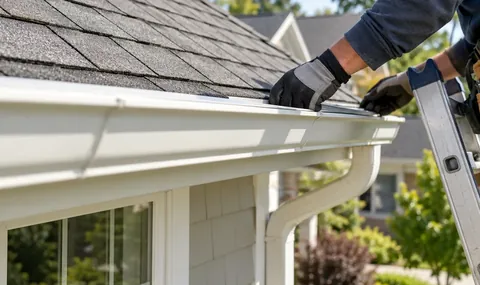
Illustrative image of a technician removing leaves from a residential roof gutter
Gutter Cleaning · APOPKA, FL
⌖ Apopka, FloridaCall about this serviceReview the scope before approving work
The moment it’s worth calling

Four signs your gutters are past due — read from the ground

Each sign has a mechanism behind it and a next step. We read every one of these from the ground — no ladder needed.

01 / Symptom

Sheets of water over the front edge during rain

The trough is full — debris has filled the channel and water has nowhere to go but over. In Apopka this shows up fastest in the daily wet-season downpour: a full trough overflows within minutes of the storm starting.
Do now: watch one storm and note which runs overflow and which don’t. That map is half our cleaning plan.

02 / Symptom

Plants growing in the trough

Soil and seed have composted into a growing medium up there — that means months of buildup, and a trough holding far more weight than its hangers were built for.
Do now: don’t wait for the next storm to test it. When we see plants, we call it the “already overdue” signal.

03 / Symptom

Tiger stripes down the gutter face

Those thin dark streaks are overflow residue: water sheeting over the front edge, carrying dirt down the face, storm after storm. The stain is a history of every overflow you didn’t see.
Do now: note which sections are striped — they mark your chronic-overflow runs for us.

04 / Symptom

Shingle grit piling up at the outlets

A fine sandy residue where the gutter meets the downspout. Small amounts are normal wear; clumps and drifts mean your shingles are shedding protective granules faster than they should — that’s a roof conversation, not just a cleaning.
Do now: mention the grit when you call. It changes what we include in the visit.

What the job includes

What a gutter cleaning visit covers

A proper cleaning is five things, not one — here’s our checklist. If any are missing, the job is half done. On cost: a standard cleaning typically runs from $100; if the visit turns up hanger, pitch, or seam work, most repair jobs land from $200 — starting prices, not quotes.

Trough clearing. We scoop every linear foot — leaves, needles, pollen sludge, shingle grit, bird-nest material. Not just the easy middle runs; we start at the corners and valleys where debris compacts first.

Downspout flushing. The clog that matters most is the one you can’t see: the downspout elbow. We flush each downspout with a hose from the top until water runs clear at the outlet. A downspout that backs up mid-flush gets worked until it drains — that jam is the whole point of the visit.

Outlet flow check. We run water through every outlet after flushing. Slow drainage at any outlet gets flagged — it usually means a partial jam deeper in the line or a pitch problem, and knowing which changes our next step.

Hanger and pitch read. We note sagging runs, pulling hangers, and low spots while the trough is empty and visible. Cleaning doesn’t fix these — but the read tells you whether you need our repair side, and it’s only possible when the trough is clean.

Debris bagging and haul-off. Everything we pull out of your gutters leaves in our bags. Your yard won’t look like a compost pile when our ladder comes down.


That’s the job. Now the real question: what does waiting cost — especially with the wet season running daily?

What waiting costs

What waiting costs — the mechanisms, not the scare tactics

When we find months of saturated debris in the trough

Weight bends the system

Wet debris is heavy a trough of saturated oak litter pulls on its hangers storm after storm — we’ve watched runs sag and pitch flatten water stands in the low spots permanently — and standing water breeds mosquitoes

When spring pollen gets a few weeks of heat

Sludge sets

Sludge sets spring pollen binds with damp debris into thick sludge, then heat compacts it closer to mortar than mulch harder to remove — and the trough keeps holding water long after rain stops

When water can’t reach the downspout, storm after storm

The fascia soaks

The fascia soaks overflow goes over the back edge, soaking the fascia every storm; rot spreads to the soffit, and from the soffit water and pests reach the attic the gutter stops protecting the wood it hangs from

One wet season of chronic overflow

Soil washes from the slab

Soil washes from the slab every overflow lands beside the foundation, eroding the sandy soil Apopka homes sit on real soil washed from the slab edge — the mechanism behind foundation problems nobody connects to gutters

A sagging run holding water for a week

Standing water breeds

Standing water breeds water sits in the sagging run — Orange County’s mosquito program lists gutters in its drain-and-cover guidance a breeding site, with West Nile and dengue surveillance active in the county

None of that means panic. It means the calendar matters more than most folks think — which is exactly what we cover next.

Three safety checks before anyone climbs

  • The 4-to-1 rule, every time.

    For every four feet of ladder height, we set the base one foot from the wall. On an extension ladder reaching a second-story gutter, that’s roughly three feet out — and the ladder must extend three feet past the roofline. Set it wrong and the most common failure is the base kicking out.

  • Three points of contact, no carrying.

    Two hands and a foot, or two feet and a hand, on the ladder at all times — that’s our rule on every job. Debris goes in a bucket hung from the ladder or handed down — never carried in our hands while climbing. Most falls happen climbing up or down, not while working.

  • Mind the lines and the weather.

    Aluminum ladders and overhead power lines are a lethal combination — we use fiberglass near any service drop, always. And we never set a ladder on wet, soft, or uneven ground: Apopka’s afternoon storms arrive fast, and a ladder set on rain-softened soil is a ladder waiting to shift.

Why Apopka is different

Apopka’s debris calendar — not the national one

National advice says “clean your gutters in fall.” We tell every Apopka caller: fall is our quietest gutter season. Here’s the actual calendar we work to:

February–May: pollen sludge

Live oaks — among the earliest and heaviest pollen producers in Central Florida — coat everything for months. That pollen washes into gutters and binds with damp debris into thick sludge. We call the post-pollen spring cleaning the single highest-value visit of the year.

June–October: storm loading

The near-daily afternoon downpour drops an inch or two in under an hour, washing roof debris straight into the trough. High winds carry leaves, twigs, and palm fronds onto the roof between storms. This is when a full trough becomes an overflow problem within minutes — and when standing water in sagging runs becomes the mosquito issue we get called about constantly.

Year-round: live oaks never quit

Unlike northern trees, live oaks shed nearly continuously — leaves, catkins, small twigs in every season. Pines near Wekiwa Springs drop needles year-round too, and needles slip through cheap screens and mat into downspout elbows. We tell callers straight: there is no month when Apopka gutters are maintenance-free.

The practical cadence

Twice a year minimum — that’s our baseline: once after pollen season (late spring), once after the storm cycle (late fall). Homes under live oaks or pines run quarterly with us. And after any major storm, we check — wind loads the roof, and the next downpour tests the trough.

How the job runs

What happens during a gutter cleaning visit

  1. Roofline walk

    We walk the full perimeter before a ladder goes up: which runs are striped, where plants are growing, which downspouts discharged last storm. Your storm-watch notes from the symptoms section plug straight into our plan.

  2. Ladder setup, run by run

    Extension ladder at 4-to-1, three feet past the roofline, on firm ground — we move it along the house as the work progresses. We never lean far to one side; the ladder moves, not our reach.

  3. Trough clearing

    We scoop by hand or trowel, corners and valleys first — that’s where debris compacts. Shingle grit gets noted, not just removed: heavy grit means the roof conversation from the symptoms section.

  4. Downspout flush

    Hose from the top of each downspout until water runs clear at the outlet. Stubborn elbow jams get worked with a plumber’s snake or disassembled — whichever clears it without damage. We flow-check every outlet before moving on.

  5. The read and the report

    With the trough empty, we read hangers, pitch, seams, and fascia — then tell you what we saw: what’s fine, what to watch, what needs repair or guards. Debris bagged and hauled. A single-story home usually takes us about an hour on site; two-story or heavy tree cover runs longer.

Before you call

Before you call: what’s urgent, what can wait, and what to have ready

Call now

  • A gutter section visibly pulling away from the house
  • Water pouring behind the gutter onto the fascia
  • Overflow pooling against the foundation during storms
  • Plants growing in the trough — you’re overdue and the wet season won’t wait

Can wait for a scheduled visit

  • Light debris in a working system — book after pollen season or before June
  • Tiger striping with sound wood underneath
  • A single slow downspout between storms

Have ready when you call

  • Which runs overflow (from your storm watch)
  • Stories and roof steepness
  • Debris type — oak leaves vs. pine needles changes our plan
  • Whether downspouts discharge near the foundation
  • Photos of the worst run
  • If you saw shingle grit, say so — it changes our visit

Call made. Here’s what the day of our work feels like from inside the house.

While the work is underway

What to expect while the cleaning is underway

  1. Ladder work

    Ladder moves around the house

    We work run by run, so you’ll hear the ladder repositioning every 15–20 minutes. That’s normal — it’s the safe way, not the slow way.

  2. Flushing

    Water running

    The hose runs during downspout flushing. If a downspout discharges near a walkway or patio, we’ll tell you before the water starts.

  3. Work zone

    Stay clear of the ladder base

    Kids, pets, and foot traffic stay away from the work zone — we need the drop zone clear. Falling debris is part of the job.

  4. Wrap-up

    One visit, one report

    When our ladder comes down, you get the read: what’s clean, what we found (grit, sagging, pitch issues), and what — if anything — needs our repair side or guards. No return trip needed for a standard cleaning.

Helpful answers

What gutter cleaning typically costs in Apopka

What we tell every caller about cost: a standard cleaning typically runs from $100, and if the visit turns up hanger, pitch, or seam work, most repair jobs land from $200 — the confirmed price comes only on the call or at inspection time.

ServiceTypical starting price
Gutter cleaningfrom $100
Gutter repair / reseal / re-slopefrom $200

Every problem's work and cost is different — the confirmed price comes only on the call or at inspection time. Starting prices below are typical, not fixed prices.

Gutter Cleaning FAQs — Apopka, FL

How often should gutters be cleaned in Apopka?

Twice a year minimum — that’s our baseline: once after oak pollen season ends in late spring, once after the summer storm cycle in late fall. Homes under live oaks or pines — which shed nearly year-round here — usually need us quarterly. And after any major storm, we check: wind loads the roof with debris, and the next afternoon downpour is the test.

My gutters overflow but they look clean. Will cleaning fix it?

Maybe not — and we’ll tell you that on the call. Overflow in a clean trough usually means capacity (5-inch gutters outgunned on a large or steep roof) or a jam deep in a downspout elbow. Our cleaning rules out debris first; if overflow persists, the next conversation is sizing or added downspouts — covered on our gutter services hub.

There's sandy grit piling up in my gutters. What is it?

Most likely shingle granules — the protective coating washing off your asphalt roof. Small amounts are normal wear; clumps and drifts signal the roof is aging faster than it should, since Florida sun and storms accelerate granule loss. Mention it when you call: heavy grit turns our cleaning visit into a roof-watch visit too.

Can clogged gutters really breed mosquitoes?

Yes. A sagging run that holds water for a week is a breeding site — Orange County’s mosquito program explicitly lists gutters in its drain-and-cover guidance, and county surveillance for West Nile and dengue has been active. We treat proper pitch and clean outlets as mosquito control, not just drainage.

Do I need to be home during the cleaning?

It helps but isn’t required. We need gate or yard access to reach every run and a hose bib for downspout flushing. If you’re away, leave access instructions when you book — you’ll still get our full report on what we found afterward.

Is it safe to clean my own gutters?

For a single-story home with firm, level ground and no power lines nearby, a careful person with a sound extension ladder can do it — we say follow the 4-to-1 setup rule and keep three points of contact. Two stories, steep roof, soft soil, or any overhead lines: that’s our call-a-pro line — and don’t lean that ladder on the gutter itself, call us. Federal data counts hundreds of ladder deaths a year; hesitation is the signal, not the obstacle.

Will cleaning fix gutters that sag or pull away from the house?

No — cleaning removes the debris, it doesn’t restore the hardware. Sagging, pulling hangers, and flattened pitch are repair work: we re-secure or replace hangers, re-pitch runs, sometimes do fascia work underneath. A cleaning visit gives you our read on exactly which of those you need, but the fix is a separate job.

What happens to all the debris you pull out?

It leaves in our bags. Oak litter, pine needles, pollen sludge, shingle grit, the occasional bird nest — we bag it all at the ladder and haul it off. Your yard, driveway, and landscaping should look untouched when we’re done.

Can I find gutter cleaning near me in Apopka?

Start here: this page explains the work, the common causes, and the questions worth asking. Then call the number listed for gutter cleaning and confirm coverage for your address.

Further reading

Sources and technical references

View supporting references and safety sources
  1. Florida Building Code

    Roof drainage and rainwater disposal provisions — the code behind why we care where downspouts discharge.

  2. SMACNA architectural sheet metal standards

    Gutter and downspout sizing, pitch, and hanger-spacing practice — the standard behind the “read” in every cleaning visit.

  3. UF/IFAS Extension

    Grading and drainage guidance for Florida homes — why we insist water leaves the foundation zone.

  4. CDC/NIOSH ladder safety guidance

    The 4-to-1 rule, three points of contact, and the national injury data behind our safety section.

  5. Orange County Mosquito Control

    “Drain and cover” guidance explicitly naming gutters; 2026 West Nile/dengue surveillance advisories.

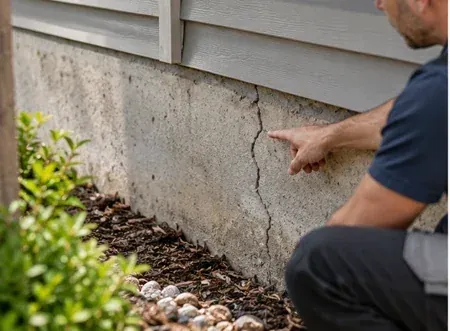
A cleaning visit reads like a report on where the water in the house has actually been going. Sludge lines and washed-out soil at the discharge point often match a panel that has begun to tip, and that pattern points to leveling the concrete before the void underneath grows. Staining that runs down a wall and disappears into a joint at grade deserves a closer look through repairing the foundation crack that water has been using as a doorway. Around back, the downspout that soaks the patio corner is the one to reroute before an outdoor kitchen goes in on that slab, since no sealant holds against a puddle that returns with every storm. Clearing the trough fixes the overflow of today, but these connected checks are what keep the same water from quietly undoing other work.

Before the wet season: gutter cleaning is one item on a longer list we walk every spring. Read the Florida rainy-season home checklist — our full pre-June walkthrough: roof, drainage, and everything water touches.

Read the related homeowner guide ↗

Gutter service — regular appointment scheduling

We run gutter cleaning, repair, and guard installation as scheduled visits — call to confirm our hours and the next available slot. After a storm, stay off ladders and away from loose gutters and downed wires.

Ready to get the troughs clear?

Call with your storm-watch notes — which runs overflow, what debris you’re seeing, and whether you spotted shingle grit. Five minutes of homework makes our visit twice as effective.

Apopka, FLGutter Cleaning ☎ (407) 557-9753