APOPKA, FL · HOME REPAIR & RESTORATIONExplore Apopka service area
Home Services ApopkaCall (407) 469-7898 ↗
Kitchen Remodeling · Apopka, FL

Kitchen Cabinet Refacing in Apopka, FL

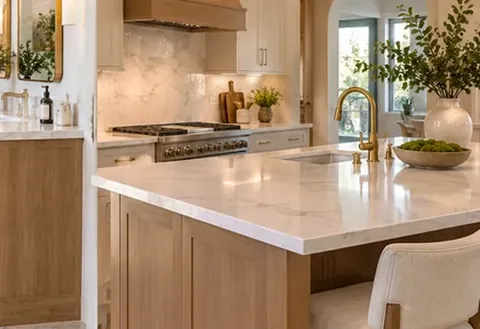
Your cabinets are solid. The layout works. But every morning those orange-oak doors from 1994 tell you the kitchen is stuck in another decade. We reface exactly this kitchen all the time: new doors, new drawer fronts, fresh veneer on the frames — without tearing out boxes that have nothing wrong with them. The one decision that matters first: is yours actually a reface kitchen, or not? When you need kitchen cabinet refacing near me in Apopka, it helps to know what the job actually involves first — the sections below lay it out in plain language.

We connect you with licensed and insured kitchen remodeling contractors in Apopka, FL.

Kitchen cabinetry and cabinet-door refinishing details
Kitchen Cabinet Refacing · Apopka, FL
⌖ Apopka, FloridaCall about this serviceReview the scope before approving work
The moment it's worth calling

Is your kitchen a reface kitchen?

Four checks. We'll be straight with you — refacing is wonderful for the right cabinets and a waste of money on the wrong ones.

01 / Symptom

The doors are dated but the boxes are sound

Open a few doors and look at the boxes, not the fronts. We check for solid sides, no swelling, shelves that don't sag, hinges that still hold. Bones good and only the style tired — arched oak panels, worn finish, brass hinges from another era — that's our classic reface candidate. The layout already works; it's the faces that failed.

Pull one door off its hinges and look at the back. If the box edge behind it is dry and square, refacing stays on the table. We do this check on every first visit.

02 / Symptom

Thermofoil is peeling near the range

Vinyl-wrapped doors bubble and lift where heat and steam live — beside the range, under the microwave, around the dishwasher vent. Once an edge lifts, Florida humidity gets underneath and the peel spreads across the door. We see it weekly: a finish failure, not a structure failure — and exactly what refacing replaces.

Check whether the peel is on the doors only or has reached the face frames. Doors-only is the simple version of this job, and we price it that way.

03 / Symptom

The sink base tells a different story

Open the cabinet under the sink. Swollen particleboard, a soft floor, a musty smell, dark staining around the pipes — water has already done what new veneer can't hide. We won't reface over a damaged sink base. It traps the moisture while the damage keeps spreading behind it.

This is the disqualifier. We fix the leak first, assess the box, and that cabinet gets replaced, not refaced. Any installer who says otherwise on the first visit is selling, not advising — walk away.

04 / Symptom

You want a new layout, not just new faces

Refacing doesn't move a single box. If the range is in the wrong place, there's no pantry, or the island blocks the walkway — new doors won't fix any of it. We tell callers straight: layout frustration is a replacement problem wearing a refacing disguise.

Do now: sketch the kitchen you'd actually want. If the boxes would have to move, stop here and read the kitchen remodeling hub instead. We'd rather point you to the right page than sell you the wrong job.

What the job includes

What refacing changes — and what it doesn't

A complete refacing scope covers five things. We itemize all five in every proposal — if any are vague in a quote you're holding, the quote is incomplete.

  • New doors and drawer fronts. The visible transformation — solid wood, paint-grade, or laminate, picked by style, not just color. We'll tell you up front: the doors are the purchase here, whether you reface or replace. It's the biggest line item in the job.
  • Veneer on the face frames and exposed ends. The boxes stay, but we cover every visible frame in matching veneer or laminate so no old oak peeks out beside the new doors. Toe kicks and end panels get the same treatment.
  • New hardware — hinges and handles. Twenty-year-old hinges were built for lighter doors. We've seen what happens when they're reused on new fronts: sagging, rubbing doors within a year. Soft-close hinges and modern slides go in as part of a real scope, not an upsell.

What's NOT in our scope: the box interiors (you'll still see the old shelves when you open the doors), the drawer boxes unless we write them in, the layout (nothing moves), the countertops (stone tops stay — we work the fronts), and any plumbing or electrical. We put this in writing so there's no surprise.

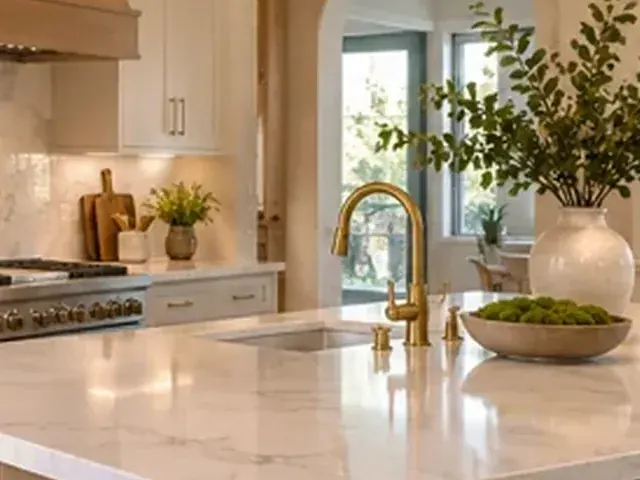
Finish matching is the craft, and it's where we earn our keep. The veneer on the frames has to read as the same kitchen as the new doors — same species, same stain, same sheen. We show you a sample corner first: a door front next to a veneered frame, in your light, before anything gets ordered.

That covers the job. Now the question underneath it: what does waiting do to a reface candidate?

What waiting costs

What waiting costs a reface candidate

The mechanism, not scare tactics — what we've watched happen to reface candidates while people decide.

A lifting thermofoil edge, left open

Peel spreads

A lifting thermofoil edge is an open door for humidity → what starts as one corner by the range becomes the whole door, then the door next to it → veneer can't bond to a surface that's been drinking moisture for months. We've seen a single lifted corner eat three doors in one summer.

Sagging doors, rubbing for months

Worn hinges eat the frames

Doors that sag and rub chew the face frames they hang on → enough wear and the frames need repair before any veneer can go on → the job changes from cosmetic to structural. We catch this on the first visit and tell you which side of the line you're on.

Living with a kitchen you hate

Delay pushes you toward replacement

Every month of frustration builds → and frustration is what turns a reface project into a full gut job → deciding while the boxes are still sound keeps the lighter option on the table. We'd rather do the smaller job now than the big one later.

Three checks before the work starts

  • ✓ Pre-1978 cabinets: we test for lead before any sanding. Refacing prep means sanding old finishes, and in pre-1978 homes federal EPA rules require lead-safe work practices. We test or treat the finish as lead and contain the dust. Ask us how we handle it before we start — we'll show you.
  • ✓ Under-cabinet wiring goes off at the breaker. Plenty of kitchens have under-cabinet lights or outlets wired through the boxes. We disconnect those circuits at the panel before any doors come off or sanding starts — not at the switch, at the breaker. No exceptions.
  • ✓ Don't pull wall cabinets off the wall yourself. Uppers are anchored to studs and heavier than they look. The 'let me help by demoing' instinct is how drywall tears and cabinets land on feet. We handle the removal sequencing — that's our job, not yours.
Why Apopka kitchens test refacing

Why Apopka kitchens test refacing the hard way

The 90s tract-home kitchen is the reface archetype

Errol Estate, the Wekiva-area subdivisions, Apopka's other 1980s–90s tract neighborhoods — we work in these kitchens constantly. Same story: arched raised-panel orange oak, brass hardware, boxes that are genuinely solid. Builders used real wood face frames back then. If your kitchen matches this description, you're the reason refacing exists as a trade, and we'll tell you so.

Humidity is the enemy of the bond

Veneer adhesive needs clean, dry, stable surfaces to cure, and Central Florida humidity makes our prep matter more than in dry climates. Kitchen grease plus airborne moisture is the combination that makes a rushed prep job peel within two summers. Ask us what our prep sequence is — 'clean and stick' isn't one, and we'll walk you through every step.

Steam zones fail first

The dishwasher vent, the range, the coffee station — anywhere steam concentrates. In a Florida kitchen with the AC running and the range going, the humidity swing across a single door can be dramatic. We spec heat shields near the range and make sure the range hood actually works — not extras here, but what keeps the new faces on.

Flood history disqualifies quietly

If your kitchen saw standing water in Milton or any storm since, the lower boxes may have wicked moisture up from the floor even if they look fine. We check for swollen bottoms and musty interiors — those boxes are out. Refacing the uppers while replacing damaged lowers is a legitimate split scope we do often, but only after someone checks.

How the job runs

How a refacing job runs, step by step

  1. 1 Measure and order. We measure every opening, count doors and drawer fronts, note hinge types and quirks — that one crooked box, the odd-size drawer. Then we custom-order the new doors. This is the longest wait in the project, typically a few weeks, and we tell you that up front. Nothing happens on-site until they arrive.
  2. 2 Strip and prep. Doors, drawer fronts, and hardware come off. We degrease every frame — kitchen grease is the number-one bond killer — then sand to give the adhesive something to grip. This step separates a ten-year job from a two-year job. It's not glamorous, which is exactly why rushed crews skip it. We don't.
  3. 3 Veneer the frames. We apply matching veneer or laminate to the face frames, exposed ends, and toe kicks, trimmed and finished so the boxes read as new construction. You shouldn't be able to tell where old meets new.
  4. 4 Hang the new fronts. New doors and drawer fronts go on with new hinges; drawer boxes get new fronts and upgraded slides. We adjust everything — gaps even, doors level, drawers gliding. Then we adjust again. This is fussy work and we take the time.
  5. 5 Walkthrough. We open every door and run every drawer with you. We look at the finish in daylight and under the under-cabinet lights together. Then we hand you the care basics: what cleaners to use, what to keep away from the steam zones.
Before you call

Call now, or can it wait? — and what to have ready

Worth a prompt call

  • Peeling spreading across multiple doors
  • Moisture getting under lifted edges
  • Sink base swelling — active deterioration doesn't pause for your schedule, and neither should you

Fine to plan

  • Doors simply dated and everything sound — that's a scheduled project, not an emergency. Take the time to compare properly, and we'll give you an itemized scope to compare against.

Have ready when you call

  • A door count — uppers, lowers, drawers
  • Photos of the worst doors and the sink-base interior
  • Your hinge type if you know it — exposed or concealed
  • Whether the layout will change at all
  • Whether the countertops are staying — if they might change, tell us now, not after doors are ordered

Scheduled and scoped? Here's what the work days feel like:

While the work is underway

What to expect while the work is underway

  1. The work days — your kitchen stays partly usable. We work one run of cabinets at a time — uppers one day, lowers the next — so you're not fully shut out. Plan on takeout more often than usual, not a hotel.
  2. Sanding days — dusty and rhythmic, not chaotic. Sanding and trimming make fine dust; we contain it with barriers and clean daily. The soundtrack is sanders and the occasional compressor. No demolition, no dumpsters, no plumbing shutdowns — that's the beauty of refacing.
  3. Finishing day — the day that matters most. When the last door is hung, we walk the kitchen slowly with you: every door, every drawer, sightlines across the frames in natural light. Finish mismatches and alignment issues are cheapest to fix while our crew and tools are still in your driveway.
Helpful answers

What cabinet refacing typically costs in Apopka

We price by the actual scope — cabinet refacing typically runs from $5,000, while full cabinet replacement runs from $15,000. Typical starting prices, not fixed prices.

ServiceTypical starting price
Cabinet refacingfrom $5,000
Full cabinet replacementfrom $15,000

Every problem's work and cost is different — the confirmed price comes only on the call or at inspection time. Starting prices below are typical, not fixed prices.

Cabinet refacing FAQs

How do I know if my cabinets are good candidates for refacing?

The boxes need to be solid, dry, and square; the doors should hang true; and the layout should still work for how you cook. We open the sink base on every first visit — swelling, soft particleboard, or a musty smell there means water already did what new veneer can't hide. Refacing fixes dated style on sound boxes. It can't fix weak structure.

Can I reface my cabinets and keep the countertops?

Usually, yes. We work the fronts — doors, drawer fronts, face frames — so stone or solid-surface countertops normally stay put. We check the top edge and the overhang before ordering, because a very thin overhang can complicate fitting new veneer and thicker doors. Raise any countertop plans with us now, not after the doors are ordered.

How long does a cabinet refacing job take?

On-site work typically runs several days for an average kitchen, and the kitchen stays partly usable — we work one run at a time. The longer wait is up front: after we measure, the new doors and drawer fronts are custom-ordered and take a few weeks to arrive. Total calendar time from measure to done is usually weeks, not months.

Veneer is peeling near my stove. Will refacing fix that?

Heat and steam, almost always. Thermofoil vinyl softens near ranges and range hoods, and once an edge lifts, humidity gets underneath and the peel spreads. We remove the damaged faces and apply fresh veneer — but the heat source stays, so our plan includes a heat shield or better ventilation. Otherwise you'll be back to peeling doors, and we'll have told you so.

Should I just paint my cabinets instead of refacing?

Painting keeps your existing doors and changes only the color. Refacing replaces the doors and drawer fronts and veneers the boxes — so you can change the style itself, flat Shaker instead of arched oak. If you like the door style and only the color bothers you, we'll tell you paint is the lighter lift. If the style itself is dated, refacing earns its keep.

My sink-base cabinet is swollen. Can refacing cover that?

No — and we'll tell you that on the first visit, because that's exactly when refacing is wrong. A swollen sink base means water compromised the box itself, and veneer over damaged particleboard traps the problem while it keeps spreading. We fix the leak, assess the box, and that cabinet gets replaced, not refaced.

Will new doors fit my old hinges and drawer slides?

Often not directly — which is why we put hardware in the scope. Twenty-year-old hinges and slides were built for lighter doors and different mounting patterns; reusing them on new doors is how you get sagging, misaligned fronts within a year. We plan new hinges and upgraded slides as part of the job, not an afterthought.

Does Florida humidity affect cabinet refacing?

It affects our materials and our install. Our adhesives need clean, dry surfaces and stable conditions to bond, and Florida humidity makes proper degreasing and prep matter more here than in dry climates. Afterward, a working range hood and wiping up steam keep the veneer edges sealed. The same humidity that peeled your old thermofoil will test a rushed job just as fast — which is why we don't rush the prep.

What should I check before booking kitchen cabinet refacing near me in Apopka?

Check that the team covers Apopka, handles your specific problem, and can confirm an appointment for your address. This page lists what kitchen cabinet refacing involves and the number to call.

Further reading

Sources and technical references

View supporting references and safety sources
  1. 01 EPA RRP (Renovation, Repair, and Painting) rule — lead-safe work practices we follow in pre-1978 homes when sanding or disturbing painted surfaces.
  2. 02 Architectural Woodwork Institute (AWI) standards — the industry reference we build to for veneer application, finish matching, and casework tolerances.
  3. 03 Manufacturer care guidance — veneer and thermofoil makers' published limits on heat, steam, and moisture exposure near ranges and dishwashers, which we design around.
  4. 04 Consumer protection guidance — the FTC's 3-day cooling-off rule for in-home sales and BBB/Consumer Reports contractor-vetting checklists we encourage you to use on us, too.

Refacing works best as part of a sequence, not as an isolated facelift. Fresh door fronts look unfinished against a worn work surface, so most owners pair the job with replacing the countertop while the kitchen is already apart. When the indoor kitchen gets that kind of renewal, the patio often follows, and building a proper outdoor kitchen lets the same material palette carry outside instead of starting over. The space-saving hardware and shallow-storage tricks that help a tight kitchen come from the same playbook as remodeling a small bathroom without wasting a single inch. And if the bathroom down the hall still has the original tub, turning that tub into a shower is frequently the next project owners schedule once they see how far a focused update can go.

Before you sign anything: refacing is one of the highest-pressure sales in home improvement — clipboard signups, same-night discounts, scare framing of competitors. We put every proposal in writing with door counts, materials, hardware, and prep steps itemized. Compare line by line, not by the discount expiring tonight. How to compare home service estimates walks through the red flags that matter on cabinet jobs — including ours.

Read the related homeowner guide ↗

Ready to talk doors, not demolition?

If the boxes are sound and the layout works, refacing is the smart middle path. Call us with your door count, photos of the worst doors and the sink base, and whether the countertops are staying. We'll give you a straight answer on whether you're a reface kitchen.

Apopka, FLKitchen Cabinet Refacing ☎ (407) 469-7898