APOPKA, FL · HOME REPAIR & RESTORATIONExplore Apopka service area
Home Services ApopkaCall (407) 469-7898 ↗
Bathroom Remodeling · Apopka, FL

Tub-to-Shower Conversion in Apopka, FL

That tub nobody uses anymore — the one you step over, clean around, and work around every single day. We pull these out of Apopka's ranch-style bathrooms every week. It usually eats a full 60 inches of wall while the actual shower happens in a cramped corner of it. A conversion takes the tub out and gives you a shower built for the way you actually bathe: easier entry, real elbow room, and waterproofing done right the first time. Here's how we tell whether your bathroom is a good candidate, what the job really involves, and the three decisions that determine whether it lasts. Typing “tub-to-shower conversion near me” into a search is how many Apopka homeowners find this page — and the guide below is written to help you describe the problem clearly when you call.

Start with the signs. Your bathroom has been telling you this for a while — here's how we read it when we walk in.

We connect you with licensed and insured bathroom remodeling contractors in Apopka, FL.

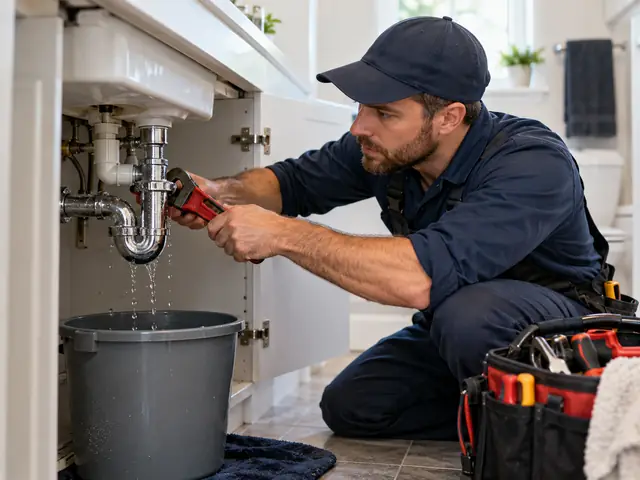
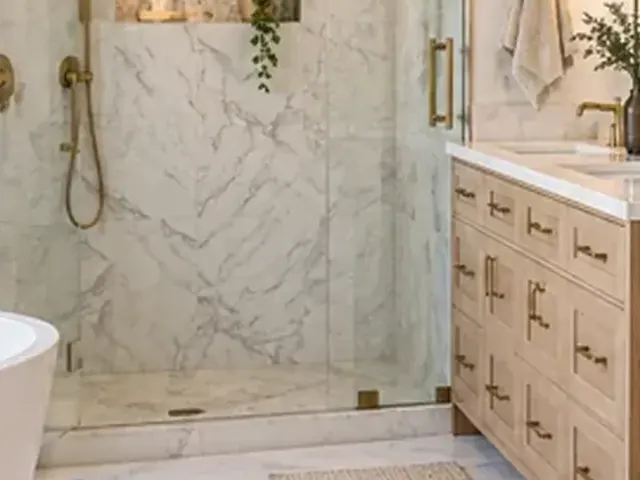
Residential bathroom showing bathtub and shower configuration
Tub-to-Shower Conversion · APOPKA, FL
⌖ Apopka, FloridaCall about this serviceReview the scope before approving work
The moment it's worth calling

Four moments that mean "start planning the conversion"

01 / Symptom

The tub wall is getting harder to step over

A standard tub apron stands 14 to 16 inches off the floor — a high step with a wet, curved edge. If anyone in the house hesitates at it, grabs the wall, or has started skipping baths because of the climb, the tub has become a fall risk, not a fixture. We tell every caller: the signal isn't your age, it's the steadying hand on the wall.

First move: watch one normal week. If the tub gets used twice and the shower inside it gets used daily, the tub is furniture. We ask every caller this question before we talk design.

02 / Symptom

The surround is failing where water hits it

Caulk lines that keep splitting, grout that crumbles back out, tile that sounds hollow when you tap it, a musty smell after showers. Water is getting behind the surround — and in a Florida bathroom it doesn't dry out between uses, it accumulates. We see this weekly in Apopka: the surround looks tired, and the wall behind it is already wet.

First move: press the wall at the tub's corners. Soft drywall means the problem is already inside the wall — and no amount of recaulking fixes that.

03 / Symptom

Cleaning the tub has become the worst chore in the house

Scrubbing a tub surround means kneeling, reaching, and balancing — and the textured tub floor that prevents slips also traps soap scum and hard-water film. If the tub is cleaned less and less because it's miserable to clean, the grime is winning. We hear this from almost every conversion caller.

First move: be honest about the last deep clean. A shower you can squeegee in 30 seconds gets maintained; a tub you dread doesn't. Maintenance reality should drive the design.

04 / Symptom

You're planning ahead, not reacting

The smartest conversions happen before anyone falls — a parent moving in, a knee replacement scheduled, or simply deciding at 60 that you'd rather have the shower you'll want at 75. We do our best aging-in-place work on this timeline, not the rushed one.

First move: measure the bathroom. A standard 60-inch tub alcove converts cleanly; smaller or odd layouts need a design conversation first. Bring us the numbers and we'll tell you straight.

What the job includes

What a tub-to-shower conversion covers

  • Tub and surround demolition. The tub, surround, and the wall surface behind it come out — because you can't waterproof over damaged substrate. We don't tile over rot. Ever.
  • Drain evaluation and upsizing. Tub drains are typically 1-1/2 inch; showers require a 2-inch drain. Expect the drain line to be upsized, and relocated if the new layout needs it. We evaluate the drain before we sign anything.
  • New valve and showerhead plumbing. The old tub/shower valve is replaced with a shower-only valve, set at the right height, with anti-scald protection. We set the anti-scald limit at 120°F maximum — non-negotiable.
  • Waterproofed shower base. Either a preformed pan or a site-built mortar bed with a waterproofing membrane — flood-tested before tile. Ask us to show you the test; we'll insist on it anyway.
  • Wall waterproofing and finish. Cement board plus a liquid or sheet membrane behind tile, or acrylic wall panels for a low-maintenance finish. The membrane is the shower — the tile is the paint.
  • Enclosure. Glass door, fixed panel, or curtain — sized to the opening, with tempered glass where code requires it. We measure glass after tile, never before.
  • Accessibility options. Grab-bar blocking inside the walls, a bench or seat, handheld showerhead, low-threshold or curbless entry. Blocking goes in during the build — it's cheap now and expensive later.

What's NOT in a conversion: the vanity, toilet, flooring outside the shower, and lighting stay as-is unless you ask. This is one room, one project — not a full remodel. Full bathroom work lives on the bathroom remodeling page. We scope honestly; we don't upsell the room.

That's the scope. Now the question underneath it: what happens if you wait?

What waiting costs

What waiting costs — the mechanisms, not the fear

A failing surround, left through the next season

A failing surround doesn't fail all at once

Each shower pushes a little more water behind the tile; the drywall softens, the studs stay damp, and Florida humidity means it never fully dries between uses. What starts as a $0 problem — recaulk it this weekend — becomes rotted substrate that has to be replaced before any conversion can begin. Waiting doesn't just delay the project; it expands it. We open these walls weekly and the story is always the same.

The mobility math, left for later

The mobility math only moves one direction

Nobody's balance improves with age. The conversion planned calmly at 62 is a project; the one forced by a fall at 74 is a scramble, done under time pressure with fewer choices. We do our best work on the calm timeline.

The dead 60 inches, every single day

The tub keeps costing you daily

The dead 60 inches of bathroom, the cleaning you dread, the step you navigate half-awake. None of that improves on its own. Every caller who waits a year wishes they'd called a year earlier — we hear it constantly.

Three checks before the work starts

  • Water off, verified.

    The bathroom's water supply gets shut off and the lines drained before demo — but we verify at the tap, never trust the valve's age. Old shutoff valves seize; a seized valve discovered mid-demo is a flood. Tell us if your shutoffs are original.

  • Electricity near water.

    Bathroom outlets and lighting must be GFCI-protected, and any fixture work near the new shower needs the breaker off. If the bathroom predates modern wiring, say so upfront — it's a scope item, not a surprise. We check this before demo day.

  • Older-home materials.

    In pre-1980 bathrooms, we assume nothing about what's behind the surround until it's opened. Old mastics, insulation, and wall materials get handled per current rules — a legitimate contractor tests before disturbing. We test before we disturb.

Apopka specifics

Why Apopka houses change a conversion

Slab foundations

Most Apopka-area homes sit on concrete slabs — no crawlspace underneath. If the shower drain needs to move from the tub's old position, that means saw-cutting concrete, trenching, and repouring. It's routine work for us, but it's the single biggest reason a conversion quote varies house to house: same floor plan, different drain path, different job. We tell every caller: the drain decides the price more than the tile does.

Hard water

Apopka's mineral-heavy water films glass fast. Our advice on every job: 30 seconds with a squeegee after each shower, or specify treated low-maintenance glass upfront. Otherwise the beautiful clear enclosure goes cloudy within months — and that's maintenance, not a defect. We'll be straight about which glass earns its price here.

Humidity and ventilation

A shower aerosolizes more moisture than a bath. After a conversion, the bathroom exhaust fan matters more, not less — undersized or vented-into-the-attic fans are how Florida bathrooms grow mold behind fresh tile. We confirm the fan's CFM and where it actually vents before the tile goes up. Every time.

HOA and condo note

Interior conversions are usually outside HOA scope, but condo owners and deed-restricted communities should check their documents before demo day — some require approval for plumbing changes. We ask about this on the first call so it never becomes a mid-project stop.

How the job runs

What happens during a tub-to-shower conversion

  1. Assessment and layout

    Measurements, drain location, wall condition, and the access conversation: threshold height, bench, grab bars, door vs. curtain. The design gets decided here — moving the drain later costs far more than planning it now. We lock the layout on paper before anything comes out.

  2. Demolition

    Tub, surround, and damaged substrate out. This is the discovery phase: the wall gets opened, and whatever water damage the old surround was hiding gets documented and repaired. No tile goes over rot — that's our rule, not a suggestion.

  3. Plumbing rough-in

    Drain upsized to 2 inches and relocated if needed (slab cutting happens now), new shower valve set at proper height, supply lines adjusted. Then inspection — the rough plumbing gets signed off before anything closes up. We schedule the inspection; you don't have to ask.

  4. Waterproofing and flood test

    Membrane over the pan and walls, then the pan holds water for 24 hours. This is the step skipped by rushed jobs and the reason good ones last: a failed flood test gets fixed now, not after the tile is up. We flood-test every pan. No exceptions.

  5. Tile or panels, then fixtures

    Wall finish, grout, glass enclosure, showerhead, trim. The valve gets its anti-scald limit set — 120°F maximum. Then we walk it with you before anyone calls it done.

  6. Final walkthrough

    Drain flow, door swing, grout lines, caulk joints, and the maintenance briefing: squeegee habit, what cleaners to avoid on the finish, where the shutoffs are. You get the maintenance sheet in writing.

Before you call

Call now, or plan ahead? — and what to have ready

Call now

  • The surround is actively leaking into the wall or floor, tile is falling off, or someone in the house has already had a close call stepping over the tub. Active water damage doesn't pause — call (407) 469-7898 and say so.

Can wait for a scheduled visit

  • The tub works fine but nobody uses it, you're remodeling on your own timeline, or you're future-proofing for aging in place. These deserve the full design conversation — layout options, accessibility features, finish choices — not a rushed decision. Call (407) 469-7898 and we'll set a planning visit.

Have ready when you call

  • Tub dimensions and the bathroom's overall measurements.
  • Where the drain sits now, and whether the house is on a slab.
  • Your access priorities: curbless, bench, grab bars, handheld — rank them before we talk.
  • Photos of the surround's condition, especially corners and caulk lines.
  • Whether anyone in the house has mobility needs now or expected soon.

Ready to discuss Tub-to-Shower Conversion? Bring your tub dimensions, drain location, and access priorities — the first conversation goes twice as fast with them. Call made, date set: here's what the work days actually feel like:

During the project

What to expect while the conversion is underway

  1. Out of service

    The bathroom goes out of service

    Plan on the bathroom being fully out of service for the duration — typically several days to two weeks depending on tile scope and whether the drain moves. Demo day is the loudest and dustiest; plastic sheeting contains it, but the house will know work is happening. We'll give you the schedule upfront so you can plan around it.

  2. Water windows

    Water gets shut off in windows

    Water to the bathroom will be off during plumbing rough-in — sometimes the whole house for a few hours while lines are tied in. The 24-hour flood test means one quiet day where the pan just sits full; that's the waterproofing proving itself, not a delay. We tell you which hours the water's off — if a crew doesn't, ask.

  3. Tile days

    Tile days are quieter but slower

    Thinset cures on its own schedule, and rushing it is how tiles fail. Expect an inspection visit mid-project for the plumbing rough-in. A legitimate contractor schedules it and doesn't ask you to — we do.

Related problems tend to show up together in Apopka homes, so it helps to know which service covers which symptom. A rocking bowl or a damp floor ring points to a working fix for flushing and fill problems rather than a cosmetic touch-up.

Helpful answers

What tub-to-shower conversion typically costs in Apopka

We price by the actual scope — a tub-to-shower conversion typically runs from $8,500 depending on plumbing moves and tile work. Typical starting price, not a fixed price.

ServiceTypical starting price
Conversion (shower build in tub footprint)from $8,500

Every problem's work and cost is different — the confirmed price comes only on the call or at inspection time. Starting prices below are typical, not fixed prices.

Tub-to-shower conversion FAQs

Can a tub be replaced by a shower in the same footprint?

Usually yes — a standard 60-inch tub alcove converts cleanly to a 60-inch shower. But the drain location, wall condition, and code requirements shape the final design. If the existing drain can't serve the new layout, it gets relocated (on a slab home, that means cutting concrete). The footprint is the starting point, not the guarantee. We confirm all three on the assessment visit.

Does "walk-in shower" mean there's no threshold at all?

No — walk-in describes easy access generally, not zero threshold specifically. A true curbless (zero-threshold) shower needs the floor recessed or ramped and fully waterproofed beneath, which is a bigger structural decision. Decide which you want early: a low 2-to-4-inch threshold is simpler; curbless is the accessibility gold standard but changes the floor work. We'll price both so you can choose with eyes open.

Can the existing tub drain be reused for the shower?

Not necessarily. Tub drains are commonly 1-1/2 inch; showers require a 2-inch drain, so upsizing is typical — plus relocation if the new layout needs it. The drain, the shower base, and the waterproofing get evaluated together against the design before the layout is approved. Ask who evaluates the plumbing before you sign — and get the answer in writing.

Does a tub-to-shower conversion need a permit in Apopka?

In Florida, any bathroom work involving plumbing changes almost always requires a permit — and a conversion that upsizes or moves a drain plus changes the valve qualifies. We pull the permit and schedule the rough-in inspection as part of the job. Be cautious of anyone offering to skip it: unpermitted plumbing can surface at resale and complicate insurance claims. That's not our opinion — it's how the county works.

What happens if the drain needs to move and my house is on a slab?

The concrete gets saw-cut along the new drain path, trenched, piped, and repoured. It's routine for experienced crews but it's real construction — dust, noise, and a few days. This is also why the drain decision happens at assessment, not mid-project: moving it after waterproofing starts means redoing finished work. We make the drain call on day one.

Can grab bars be added to the existing walls, or do walls need to come open?

Grab bars must anchor into solid blocking inside the wall — drywall alone won't hold a person's weight in a fall. During a conversion the walls are already open, so blocking gets installed then, exactly where you'll want bars now or later. Adding blocking during the project costs little; opening finished walls later costs far more. We photograph the blocking before it disappears behind tile.

How do I keep the glass enclosure clear with Apopka's hard water?

Squeegee the glass after every shower — 30 seconds prevents the mineral film that etches into glass over months. Specify low-maintenance treated glass upfront if you want less daily effort. Avoid abrasive cleaners on coated glass; they strip the treatment. This is maintenance reality for mineral-heavy water, not a product defect — we tell every caller with Apopka water.

What's the difference between a one-day acrylic conversion and a custom tile shower?

One-day systems fit acrylic panels over the existing footprint with minimal plumbing changes — fast and low-maintenance, but the layout, drain position, and finishes are fixed. A custom tile conversion relocates the drain, rebuilds waterproofing from the studs, and flood-tests the pan — slower, but every decision (threshold, bench, niche, glass) is yours. Different jobs for different priorities. We'll tell you honestly which one fits your bathroom.

Do you offer tub-to-shower conversion near me in Apopka?

Yes — we serve homes across Apopka, and the number on this page connects you with the team that handles tub-to-shower conversion for your address. Confirm availability and timing when you call.


Further reading

Sources and technical references

View supporting references and safety sources
  1. Florida Building Code (plumbing).

    Drain sizing, shower-compartment construction, and permit requirements for plumbing alterations. We permit every conversion that touches plumbing.

  2. International Residential Code P2708.

    The model-code basis: 2-inch minimum shower drains, floor slope, and access-opening dimensions.

  3. TCNA (Tile Council of North America) Handbook.

    Waterproofing membrane methods and shower-receptor construction standards — the book our shower builds follow.

  4. Manufacturer installation guidance.

    Pan flood-testing procedures and valve anti-scald settings per the installed products.

Pulling a tub out changes more than the bathing spot, and the surrounding decisions are easier to make while the walls are still open. The new surround usually lives or dies on properly installed bathroom tile with real waterproofing behind it, not just a prettier surface. In the five-by-eight layouts common here, the space the tub leaves behind has to be planned like remodeling a small bathroom where every inch has a job, or the shower ends up generous and the storage disappears. The vanity top often gets replaced in the same pass, and it benefits from the same careful templating as fitting a new kitchen countertop around its sink cutout. If the old tub area shows a crack in the slab or a damp spot that keeps returning, pausing for repairing the foundation crack and sealing the water path protects the new shower from the same moisture.

And before you hire anyone for it: How to compare home service estimates — what a real conversion quote contains (drain work, waterproofing, flood test, permit), and the red flags that matter on remodel jobs. When to call a home professional — the call-now vs. plan-ahead decision, generalized across every trade.

Read the related homeowner guide ↗

Need Tub-to-Shower Conversion in Apopka, FL?

Before authorizing work, confirm plumbing changes, substrate work, materials, and permit responsibility — then call. Bring your tub dimensions, drain location, and access priorities; the first conversation goes twice as fast with them. ☎ Call (407) 469-7898

Apopka, FLTub to Shower Conversion ☎ (407) 469-7898