APOPKA, FL · HOME REPAIR & RESTORATIONExplore Apopka service area
Home Services ApopkaCall (407) 598-8705 ↗
Lawn Care & Outdoor Services · Apopka, FL

Sod Installation in Apopka, FL

Dead patches that never fill in. A new-build yard where the builder's sod gave up by the second summer. Bare dirt under the oaks that laughs at seed. Here's the part most sod jobs get wrong: the grass is the last 10% of the decision. The first 90% is what's underneath it — the soil, the grade, the water. We install sod the way it actually succeeds in Apopka: we pick the grass that survives your yard's sun and shade, prep the ground, and hand you the watering schedule that keeps new sod alive through its first month. Typing “sod installation near me” into a search is how many Apopka homeowners find this page — and the guide below is written to help you describe the problem clearly when you call.

We connect you with licensed and insured lawn care contractors in Apopka, FL.

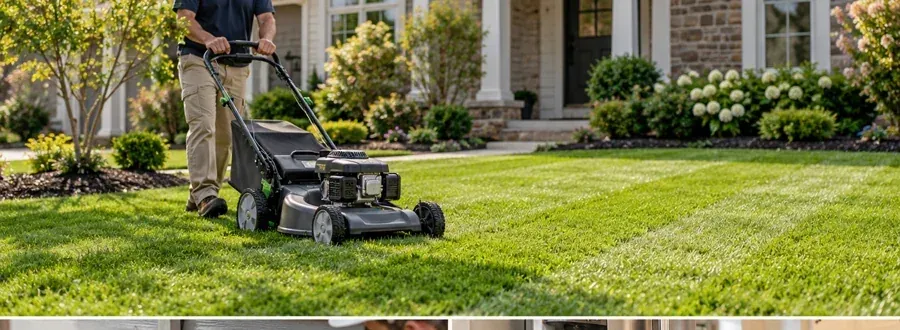
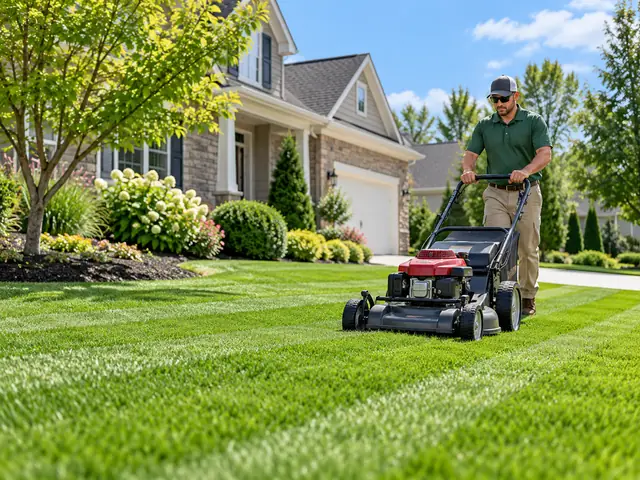
Fresh lawn sod installed along a residential yard
Sod Installation · APOPKA, FL
⌖ Apopka, FloridaCall about this serviceReview the scope before approving work
The moment it's worth calling

Four moments that mean it's a sod job — and what to do in each

01 / Symptom

Bare areas that never fill back in

More than half the yard is dirt, weeds, or thinning runners, and overseeding or patching hasn't worked two seasons running. We've learned the mechanism: once turf coverage drops below roughly half, weeds outcompete the remaining grass for every inch — you're fighting a losing ratio, not a bad week.

Stop fertilizing the weeds. Measure the bare area in rough square feet — that's the first number we need from you.

02 / Symptom

The builder's sod is dying and the house is under five years old

New-construction lawns fail in a pattern we see constantly: sod laid directly over compacted fill, scraped subsoil, or construction debris. Push a long screwdriver into the ground — if it stops dead two inches down, the roots have nowhere to go. The grass didn't fail; the ground did.

Do the screwdriver test in three spots. Compacted base means we take the old sod up and work the soil before anything new goes down.

03 / Symptom

Shade under mature oaks killed the St. Augustine

The grass thins under the canopy, then it's just mulch and dirt. We measure this on every shady-yard call: standard St. Augustine needs 4–6 hours of direct sun; under a mature live oak canopy it gets two, and it starves slowly.

Count the hours of direct sun hitting the area on a clear day. Under four hours the grass choice changes — shade-tolerant varieties exist, but the standard stuff won't make it. We'll tell you which.

04 / Symptom

Water sits where you want grass

After a storm, part of the yard holds water for a day or more. We tell people straight: sod won't fix that — roots sitting in standing water rot, and the new lawn dies from the bottom up.

Watch the spot after the next rain and time how long the water stays. More than 24 hours means we address grading or drainage before sod, not after.

What the job includes

What a sod installation plan covers — and what it doesn't

A complete sod job covers five things:

Old turf removal — the failed grass, weeds, and thatch come up. Sod laid over old vegetation loses soil contact, and the old roots become a spongy layer the new sod can't knit into. This is the step we see skipped most often, and the reason most often cited when new sod fails within two years.

Grading — we shape the surface so water moves away from the house and doesn't pool. Walkways, driveways, and patios sit level with, or slightly above, the finished grade, accounting for the thickness of the sod itself. Sod that traps water against the foundation trades a lawn problem for a house problem.

Soil preparation — Central Florida's sugar-sand has almost no organic matter and drains so fast that new sod dries out between waterings. We loosen compacted soil 6–8 inches deep, work in compost to build water-holding capacity, and match the starter approach to the site. Skipped prep is why properties end up re-sodded within 18–24 months.

Grass selection for your yard — not one grass for every yard: St. Augustine for sun, shade-tolerant varieties (Zeon Zoysia, ProVista St. Augustine per UF/IFAS) for oak canopy, zoysia for traffic and drought tolerance. We pick by your sun hours, soil, and how the yard gets used.

Installation and watering-in — sod laid within 24 hours of delivery, pieces fitted tight in a staggered pattern, rolled to remove air pockets — then watered immediately, at least an inch within the first half hour.

What's not this job: irrigation design and sprinkler-head repair (that's our sprinkler-repair page), ongoing mowing (our lawn-mowing page), and drainage engineering beyond surface grading. If a zone doesn't cover the new sod evenly, that's flagged during the job — but the fix lives with the irrigation side.

That's the scope. Now the question underneath it: what does waiting actually do to a yard like yours?

What waiting costs

What waiting costs — the mechanisms, not the scare tactics

Bare soil through storm season

Bare soil doesn't wait politely

Every summer afternoon storm moves exposed topsoil — the one layer with any organic matter your sand had. We see yards lose it in a season. Each storm leaves the ground a little poorer, which is exactly the opposite of what new sod needs underneath it.

An empty yard through the growing season

Weeds claim the vacancy

Crabgrass, sedges, and dollarweed colonize bare dirt fast in Central Florida's long growing season — we tell people: bare dirt is a weed nursery. By the time sod goes down, the weed seed bank is loaded — and new sod can't take most herbicides for months, so you're hand-pulling through the establishment period.

Bare ground through dry weeks

The compaction gets worse

Bare ground bakes harder with every dry week — and every dry week means more prep work for us later, not less. Foot traffic, kids, dogs — all of it packs the surface tighter, which means more prep work later, not less.

A dead yard in an HOA community

The HOA clock runs

In Apopka's HOA communities, a dead or dirt yard draws violation letters — we've seen it escalate, so and HOAs approve exterior changes, so the approval should be in hand before the sod truck arrives, not after the first notice.

Three safety checks before the ground gets worked

  • Call 811 before any digging.

    We won't till until the lines are marked. Rototilling 6–8 inches deep can find irrigation lines, buried cable, and utility runs. Florida's Sunshine 811 needs at least two full business days' notice before you dig — the crew marks the lines, and the tiller stays clear of them.

  • Respect the heat — yours and the sod's.

    Sod is a living product on a clock — we schedule around it: it goes down within 24 hours of delivery, and a pallet can weigh over a ton. In a Central Florida summer, installation is morning work. Sod left stacked on a hot driveway cooks from the inside — the middle of the pile yellows first.

  • Keep the crew's path clear.

    Sod arrives by truck and moves by wheelbarrow and hand. Clear the route from the street to the yard — cars, toys, pets inside. Fresh amendments and turned soil are exactly where kids and dogs want to be; plan for that.

Why Apopka changes the math

Why Apopka yards defeat generic sod advice

The soil is sugar-sand

Apopka sits on the same deep sand that covers much of Central Florida — fast-draining, nearly zero organic matter. Water runs straight through it, which means we amend the soil with compost first, or new sod dries out between waterings. Advice written for loam country ("water deeply once a week") starves new sod here.

The shade is live oak

Mature oaks are the signature tree of older Apopka neighborhoods, and their canopies are exactly where standard St. Augustine goes to die. We treat this as a grass-selection problem, not a watering problem — Zeon Zoysia handles light to moderate shade, and ProVista St. Augustine tolerates deeper shade, per UF/IFAS. Planting standard St. Augustine under a full oak canopy is a scheduled re-sod.

The water rules are real

Orange County limits established lawns to two watering days a week (one day a week after daylight saving ends) — but new sod gets an exception: any day, any time, for the first 30 days, then every other day for the next 30. That 60-day window is the establishment runway, and we schedule the job inside itled so the sod lands inside it with irrigation ready.

The HOAs watch

Apopka's HOA communities enforce landscaping standards — and as one local case showed, building or changing exteriors without HOA approval gets expensive fast. Sod replacement counts as an exterior change in most HOA covenants. We tell every HOA caller: approval first, truck second.

The timing window is March through October

In Central Florida's Zone 9b climate, sod can go down year-round, but soil temperatures support active root growth from March through October. We're honest about winter installs: zoysia goes semi-dormant and waits for spring — it survives, but it doesn't root in on your schedule.

Installation day

How a sod installation runs, start to finish

  1. Walk, measure, and test

    We walk the yard: sun hours mapped, the screwdriver test for compaction, low spots and drainage noted, irrigation coverage checked zone by zone. Square footage gets measured — sod is ordered by the pallet, and shorting the order mid-job means seams from a second delivery that doesn't match.

  2. Grass selection

    Sun, shade, traffic, and water realities pick the variety — not preference alone. We state the decision plainly: why this grass for this yard, and what would have failed.

  3. Kill and strip

    Existing vegetation gets killed or stripped. Old turf comes up so the new sod meets prepared soil, not a thatch sandwich.

  4. Prep the ground

    Utilities marked (811), then we loosen the soil 6–8 inches deep, work compost in, and grade the surface — water away from the house, no birdbaths, hardscape edges accounted for. This is the day-before work; sod arrives onto finished ground, not a construction site.

  5. Lay day

    Sod goes down within 24 hours of cutting — pieces fitted tight, seams staggered like brickwork, edges tucked. We roll the whole area to press out air pockets and force root-to-soil contact. Then water: at least an inch within the first half hour, while we're still there.

  6. The establishment handoff

    You leave with the watering schedule in writing — daily for the first stretch, tapering to every other day, then to the normal seasonal schedule — and the two rules we drill into everyone: no fertilizer for the first 30–60 days, and stay off it while it roots.

Before you call

Before you call: what to have ready, and what can wait

Call now

  • Bare dirt through the rainy season (June–September) — storms erode it weekly.
  • A dead builder lawn you're already getting HOA letters about.
  • Any sod project where the 60-day watering exception would help — that window starts at installation, so schedule around it.

Can wait for a scheduled visit

  • Planning a full-yard replacement in December — sod survives winter install, but it won't root until spring, so you're babysitting dormant turf for months.
  • Cosmetic thinning that might recover with a season of proper watering — sometimes the answer is water, not sod.

Have ready when you call

  • Rough square footage (pace it off — length × width)
  • Hours of direct sun on the worst areas
  • Whether you have irrigation and if every zone reaches the area
  • The HOA's landscaping approval process if applicable
  • What the ground is now (dead sod, weeds, bare dirt, construction fill)

Thinking about new sod? Start with the ground, not the grass — call with your rough square footage, the sun hours on the worst areas, and whether your irrigation reaches them. Crew scheduled and date set? Here's what installation week feels like from your side of the window:

During the job

What to expect while the sod goes in

  1. Prep and lay days

    It's a two-visit rhythm

    Prep day is the loud one — stripping, tilling, grading, wheelbarrows. Lay day is quieter but faster-moving: pallets staged in the shade, sod going down row by row, and the whole thing usually finished the same day it starts.

  2. First watering

    Water starts immediately

    The first deep watering happens while the crew is still on site — that's part of the job, not your homework. Your homework starts the next morning: the daily schedule, in writing, for the first weeks.

  3. Stay off

    Stay off it

    The temptation is to walk the new lawn that evening. Don't — footprints press into soft, freshly watered ground and the seams haven't knitted. Keep kids, dogs, and foot traffic off until it resists a gentle tug, usually a few weeks in.

  4. The awkward phase

    It will look worse before it looks better

    Fresh sod can yellow at the edges in the first days — transplant shock, not failure. What's actually failing is sod that lifts easily after two weeks (no root contact) or develops irregular brown patches in full sun (often chinch bugs, May through July). Know the difference before you panic.

  5. First mow

    The first mow waits

    Begin mowing only when the sod resists a gentle upward tug — the roots have to anchor first. When you do mow, it's a light trim, never a scalp, with sharp blades.

Helpful answers

What sod installation typically costs in Apopka

We price by the square foot — professionally installed sod typically runs from $1 per sq ft, so a 2,000 sq ft lawn lands from around $2,000. Heavy grading or old-lawn removal adds more. Typical starting prices, not fixed prices.

ServiceTypical starting price
Sod installed (per sq ft)from $1
2,000 sq ft lawnfrom $2,000
Sod material only (per sq ft)from $0.30 per sq ft

Every problem's work and cost is different — the confirmed price comes only on the call or at inspection time. Starting prices below are typical, not fixed prices.

Sod Installation FAQs

Can sod be installed over my old grass?

No — and this is the most common reason new sod fails, the one we see over and over. Sod laid over old vegetation can't make root-to-soil contact; the old thatch becomes a spongy layer that holds the new sod up like a mattress. We strip the old turf first, every time. Properties that skip this step typically need re-sodding within 18 to 24 months.

When is the best time of year to lay sod in Apopka?

March through October, when Central Florida soil temperatures support active root growth. Sod can go down year-round in Zone 9b, but we're honest about winter: winter-installed turf — especially zoysia — goes semi-dormant and won't root until spring. If you're scheduling around the Orange County watering exception, aim the 60-day establishment window at the warmer months.

St. Augustine or zoysia — which should I choose?

Follow your sun, not your preference. Full-sun yards do well with standard St. Augustine. Under live oaks or partial shade, Zeon Zoysia handles light to moderate shade and ProVista St. Augustine tolerates deeper shade, per UF/IFAS. Zoysia also handles foot traffic and dry spells better. Tell the installer your daily sun hours and let the yard decide.

How do I water new sod with the county watering restrictions?

New sod is exempt — we walk every customer through this. Orange County allows watering new sod any day at any time for the first 30 days after installation, then every other day for the next 30 days — a 60-day establishment window. The exception covers only the new-sod areas, and you should give Orange County Utilities your name, address, and sod receipts to avoid a violation notice.

Why did my builder's sod die within a couple of years?

Almost always the ground, not the grass — we diagnose this weekly on new-build yards. The sod is frequently laid over compacted fill or scraped subsoil with no organic matter — roots hit a wall two inches down. Push a screwdriver into the soil: if it stops dead, that's the diagnosis. The fix is stripping the failed sod, loosening the soil 6–8 inches deep, amending it, and then re-laying.

When can we walk on the new sod, and when is the first mow?

Stay off it until the sod resists a gentle upward tug — usually a few weeks, when roots have anchored. We tell everyone: the first mow comes at the same milestone — a light trim, never a scalp, with sharp blades. Heavy use — kids, dogs, parties — waits until the lawn is fully established, around the one-month mark at the earliest.

Will new sod fix the drainage problem in my yard?

No — we're blunt about this. Sod is a surface, not a drainage system — water pooling for more than a day will rot new roots from below. We grade the yard so water moves away from the house and doesn't pond, before the sod goes down. If water stands longer than 24 hours after a storm, that gets addressed first; sod goes second.

Do I need HOA approval to replace my sod?

In most Apopka HOA communities, yes — sod replacement counts as an exterior landscape change, and HOAs enforce landscaping standards. We tell every HOA caller: get the approval in writing before scheduling. Changing the grass type can also trigger review, since some covenants specify approved varieties. Approval first, delivery truck second.

Do you offer sod installation near me in Apopka?

Yes — we serve homes across Apopka, and the number on this page connects you with the team that handles sod installation for your address. Confirm availability and timing when you call.

Further reading

Sources and technical references

Nothing on this page is house opinion — it's traceable:

View supporting references and safety sources
  1. UF/IFAS Florida-Friendly Landscaping™

    sod installation protocol: lay within 24 hours of delivery, staggered tight seams, light frequent watering for 2–3 weeks, no fertilizer for 30–60 days.

  2. UF/IFAS Extension (Hillsborough County) turfgrass replacement guide

    the 6–8 inch rototill depth, soil amendment, ½-inch footprint grading standard, and day 20–30 every-other-day watering step-down.

  3. University of Florida Crop Science study

    newly laid St. Augustine sod fertilized immediately gained nothing over unfertilized sod and lost twice as much nitrogen through the soil.

  4. Orange County Utilities watering ordinance + Florida statute

    the 30-day any-time / 30-day every-other-day new-sod irrigation exception and the 60-day establishment window.

New sod goes down on soil, and what is already living in that soil decides how the lawn starts. Bare, disturbed ground is prime territory for fire ants and burrowing pests, and a yard that has been sitting open can need urgent pest treatment before the sod arrives so the crew is not laying grass over active mounds. The longer-term threat is below the surface: subterranean termites forage through exactly the moist soil a new lawn needs, so homes with any history of them should arrange termite protection for the soil around the foundation before fresh roots give the colony a new food bridge. Sod also frequently follows the biggest job a house ever gets — a tear-off drops nails, granules, and debris across the whole yard, and many homeowners fold re-sodding into the aftermath of a full roof replacement rather than trying to nurse a trampled, contaminated lawn back.

Before you sign anything: get the plan in writing — grass variety and why, what's happening to the old turf, the prep depth, and the watering schedule. How to compare home service estimates walks through the line items, and When to call a home professional covers the call-now vs. wait decision across every trade.

Read the related homeowner guide ↗

Ready for grass that matches the ground?

Call with your rough square footage, the sun hours on the worst spots, and whether your irrigation reaches them. Ask what variety they'd plant in your yard — and why. The answer should mention your sun and soil, not just their favorite grass.

Apopka, FLSod Installation ☎ (407) 598-8705