APOPKA, FL · HOME REPAIR & RESTORATIONExplore Apopka service area
Home Services ApopkaCall (407) 537-0765 ↗
Specialist service · Apopka, FL

Drywall Water Damage Repair in Apopka, FL

The baseboard is swelling. The paint is bubbling in a line a few inches above the floor. Maybe there’s a musty smell in the room even though the wall looks dry. Here’s what most Apopka homeowners don’t realize: the stain you see is the smallest part of the problem. Drywall — gypsum wallboard — drinks water upward. The gypsum core and its paper facing wick moisture well above the visible line, and in Florida’s heat that hidden moisture can start growing mold within 24 to 48 hours. This page explains how far water really travels up a wall, when wet drywall can be dried and kept, when it has to be cut out, and the exact questions to ask before anyone starts cutting.

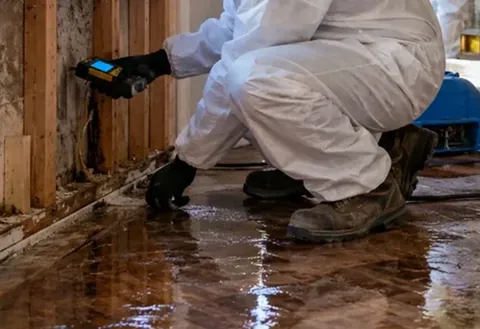
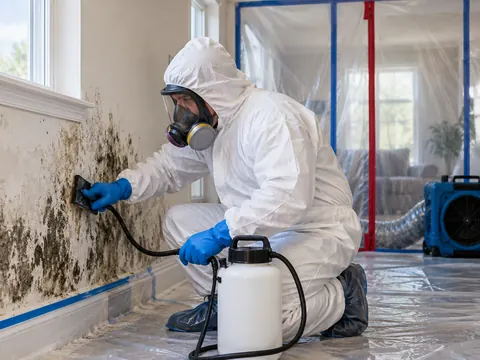
Water-damaged drywall opened to inspect moisture behind interior wall finishes
Drywall Water Damage Repair · Apopka, FL
⌖ Apopka, FloridaCall about this serviceReview the scope before approving work
Recognize the problem

What your walls are telling you

Don’t trust the visible stain — it marks where the water stopped showing, not where it stopped climbing. Read the wall, then match what you see to the cause.

01 / Symptom

Swollen baseboards, soft drywall near the floor

Press the drywall just above the baseboard. If it gives way or feels spongy, water reached the bottom of the wall — and has wicked higher than anything you can see. MDF baseboards swell and never go back; that’s often the first thing homeowners notice.

02 / Symptom

A stain line or bubbling paint above the floor

That horizontal line is the wicking front — water climbing the paper facing. The repair cut goes 12 to 24 inches above this line, not at it. If the line keeps rising over days, water is still coming in.

03 / Symptom

Musty smell, but the wall looks dry

Smell means active moisture, not a past event. Water is trapped inside the wall cavity or held by the insulation behind the drywall — the surface dried while the inside stayed wet. This is the sign people ignore longest, and the one most likely to mean mold is already growing.

Those signs look the same in any state — but in Apopka, they almost always start from a short list of local causes. Here’s the pattern.

The wall decision

Dry in place or cut it out? How the wall decision works

Every wet wall faces the same fork in the road: dry it where it stands, or cut out what’s ruined and rebuild. Here’s how professionals decide — and what each path involves.

Wicking, explained.

Drywall’s gypsum core and paper facing pull water upward like a wick — commonly a foot or more above the visible waterline. That’s why pros don’t cut at the stain. They cut 12 to 24 inches above it, and when water stood less than about two and a half feet deep, they’ll often cut a full four feet — because that fits standard replacement sheets with less waste.

When drywall can stay.

Drying in place is on the table only when all of these are true: the water was clean (a supply line, not stormwater or sewage), it was caught within roughly 24 to 48 hours, the board is still firm with no swelling or softness, there’s no insulation behind it holding moisture, and nothing is contaminated. Miss any one of those and the wall comes out.

What’s behind the wall matters more than the wall.

Fiberglass and cellulose insulation soak up water like a sponge, trap it against the framing, and block drying — soaked batts get removed and replaced, full stop. Rigid foam boards can sometimes stay and dry. This is why a “small” wall job gets bigger once it’s opened: the visible stain was never the whole scope.

The mold window.

Drywall’s paper facing is food for mold, and in Florida heat the clock starts fast — growth can begin within 24 to 48 hours of sustained moisture. A wall that looks dry on the surface while the cavity stays damp is the classic setup. Moisture-meter readings decide, never appearance.

Texture and paint matching.

Most Apopka homes have orange-peel or knockdown texture, and a patched wall that doesn’t match it will show forever. Ask how seams get finished — tape, mud, sand, texture-match — and confirm stain-blocking primer goes on before paint. Paint over a damp wall and it blisters; paint over a dry, primed patch and it disappears.

That’s the full scope of a wall job. Here’s how the visit itself runs and what to have ready when you call.

Apopka property considerations

Apopka conditions that affect wet drywall

Not every wet wall has the same source or needs the same amount of removal.

Rainwater near floors and entries

Apopka has documented flood risks associated with heavy thunderstorms and tropical systems. If outside water entered at floor level, lower drywall, baseboards and insulation may require contamination and moisture assessment.

AC condensate in wall cavities

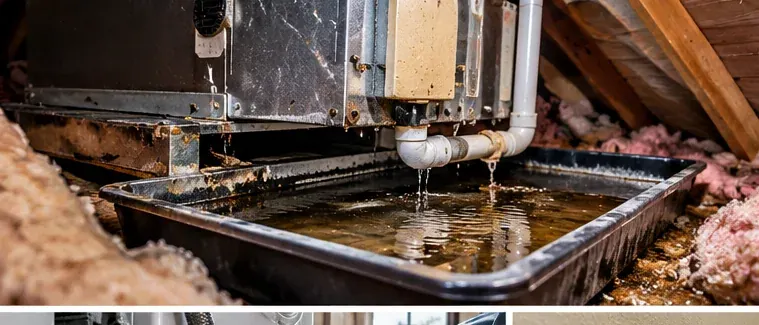
During humid cooling months, a blocked condensate line or overflowing pan may wet drywall around an air handler. Confirm the source before assuming every stain is a plumbing leak.

Supply-line and appliance leaks

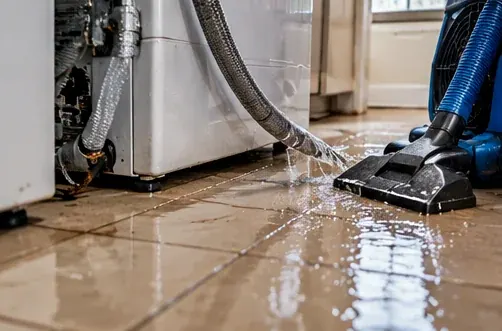
Burst fittings, washer hoses and plumbing connections can damage walls in any season. Fixing the pipe or appliance does not automatically dry enclosed drywall or insulation.

Measured drying, not fixed timelines

Humidity can affect drying conditions. Moisture readings and material condition—not assumptions about Florida weather—should guide whether drywall can be dried or must be removed.

Before you call

Before you call about drywall water damage

The more precisely you describe the wall, the faster the scope gets set. Three things to have ready:

Have ready when you call

  1. Mark the waterline

    Note how high the stain, bubbling, or softness reaches on each affected wall, and photograph it — lines fade as surfaces dry, and the photo is your record of how far it went.

  2. Know the water’s story

    What was the source, and was it clean water, stormwater, or sewage? How long has the wall been wet — hours, days, weeks? The category and the clock decide dry-in-place versus cut-out before anyone visits.

  3. Ask the three wall questions

    One: is the plan drying or cutting — and how high is the cut? Two: what’s behind the wall, and does the insulation stay or go? Three: who rebuilds, and how will the texture match the rest of the room? Get the answers in writing before demolition starts.

Those three questions lead to the questions everyone asks once they understand the scope — but first, here’s what the job looks like from your side of it.

During the repair

What to expect while the wall repair is underway

  1. Demolition

    Cutting is contained and dusty.

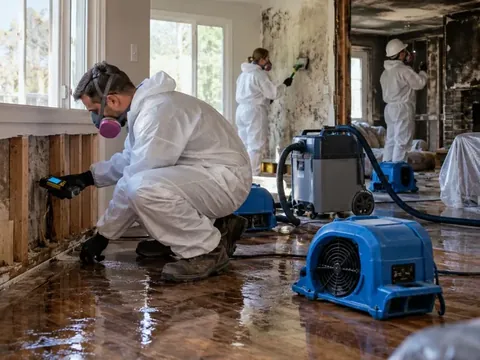
    Wet sections get cut out back to clean, dry material — expect dust control, plastic sheeting, and the affected room closed off while cutting happens.

  2. Drying

    Drying comes before rebuilding.

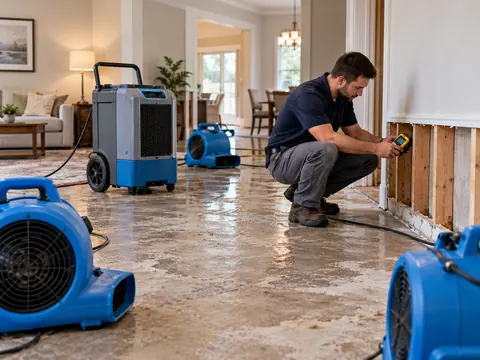
    If the wall is being dried in place, dehumidifiers and air movers run for days — not hours. Nothing gets rebuilt until moisture-meter readings confirm the cavity is dry.

  3. Finishing

    The finish takes longer than the cut.

    Tape, mud, sand, re-texture, stain-blocking primer, paint — a proper wall finish is multi-day work with drying time between coats. A patched wall that doesn’t match the room’s texture will show in every raking light, so ask how the texture gets matched before the rebuild starts.

Helpful answers

Drywall Water Damage Repair FAQs

How high does water actually wick up drywall?

Higher than the stain. The gypsum core and paper facing pull water upward — commonly a foot or more above the visible line. That's why professionals cut 12 to 24 inches above the highest visible damage rather than at it. If water stood less than about two and a half feet deep, expect a full four-foot cut, which fits standard replacement sheets.

Does wet drywall always have to be replaced?

No — but the conditions are narrow. Drying in place works only for clean water caught within about 24 to 48 hours, where the board is still firm, nothing has swollen, no insulation behind it is wet, and there's no contamination. Contaminated water, swelling, softness, or soaked insulation behind the wall all mean removal. Moisture-meter readings decide, not how the wall looks.

The wall looks dry now. Can I just paint over the stain?

Not yet. Paint traps whatever moisture is still inside, and it will blister — plus a stain usually means the paper facing wicked water higher than the visible mark. The wall needs to verify dry on a moisture meter first. Only then does stain-blocking primer go on, followed by paint matched to the room.

What happens to the insulation behind wet drywall?

Usually it comes out. Fiberglass and cellulose batts absorb water, hold it against the framing, and block airflow so the wall can't dry — soaked insulation is removed and replaced. Rigid foam boards can sometimes stay in place and dry. Expect the scope to grow once the wall is opened; the stain was never the whole story.

How fast can mold start in a wet wall here in Florida?

Within 24 to 48 hours of sustained moisture — faster in Florida heat. Drywall's paper facing is an ideal food source, and a wall that looks dry on the surface while the cavity stays damp is the classic setup. A musty smell with no visible water means active moisture, not a past event. Don't wait out the smell.

My AC drain clogged and now the baseboards are swelling. Is this a wall job or an AC job?

Both, in sequence. An HVAC technician fixes the cause — the clogged drain line — so water stops coming. Then the wall gets assessed: how high it wicked, whether the board can dry in place, what's behind it. If your AC shut itself off recently, the float switch was likely doing its job as the messenger. Fix the drain first, then the wall.

Will homeowners insurance cover cutting out and replacing drywall?

It depends on the water, not the wall. Florida policies typically cover sudden and accidental damage — a burst supply line — but exclude slow leaks as maintenance issues, even ones you never noticed. Rising stormwater is classified as flood and needs separate flood coverage (NFIP or private flood insurance). Document the waterline with photos before anything dries, and report promptly. (General information, not insurance advice.)

Will the patched section match the rest of my wall?

It should, if the finishing is done right. Most Apopka homes have orange-peel or knockdown texture, and matching it is a craft — tape, mud, sand, re-texture, then stain-blocking primer and paint. Ask specifically how the texture gets matched before approving the rebuild. A flat patch on a textured wall will show in every raking light.

Further reading

Sources and technical references

View supporting references and safety sources
  1. IICRC S500

    the restoration industry’s standard for water-damage assessment: when drywall dries in place versus when it gets removed, and how drying gets verified.

  2. EPA

    the 24–48 hour mold-growth window for paper-faced building materials in warm, humid conditions.

  3. NFIP (National Flood Insurance Program)

    flood-insurance coverage for rising water, excluded from standard homeowners policies.

Need Drywall Water Damage Repair in Apopka, FL?

Before authorizing work, ask what must be removed, dried or tested before installing new drywall. Call the service number to confirm service coverage and appointment availability.

Apopka, FLDrywall Water Damage Repair☎ (407) 537-0765