APOPKA, FL · WATER DAMAGE INFORMATIONExplore Apopka service area
Home Services ApopkaCall (407) 537-0765 ↗
WATER DAMAGE & RESTORATION · APOPKA, FL

Emergency Water Damage Restoration in Apopka, FL

Standing water across a floor, a burst pipe still running, or sewage where it should never be? The first hours decide how far the damage spreads. Call about urgent water damage in Apopka — emergency calls are answered 24/7, while on-site availability is confirmed on the call.

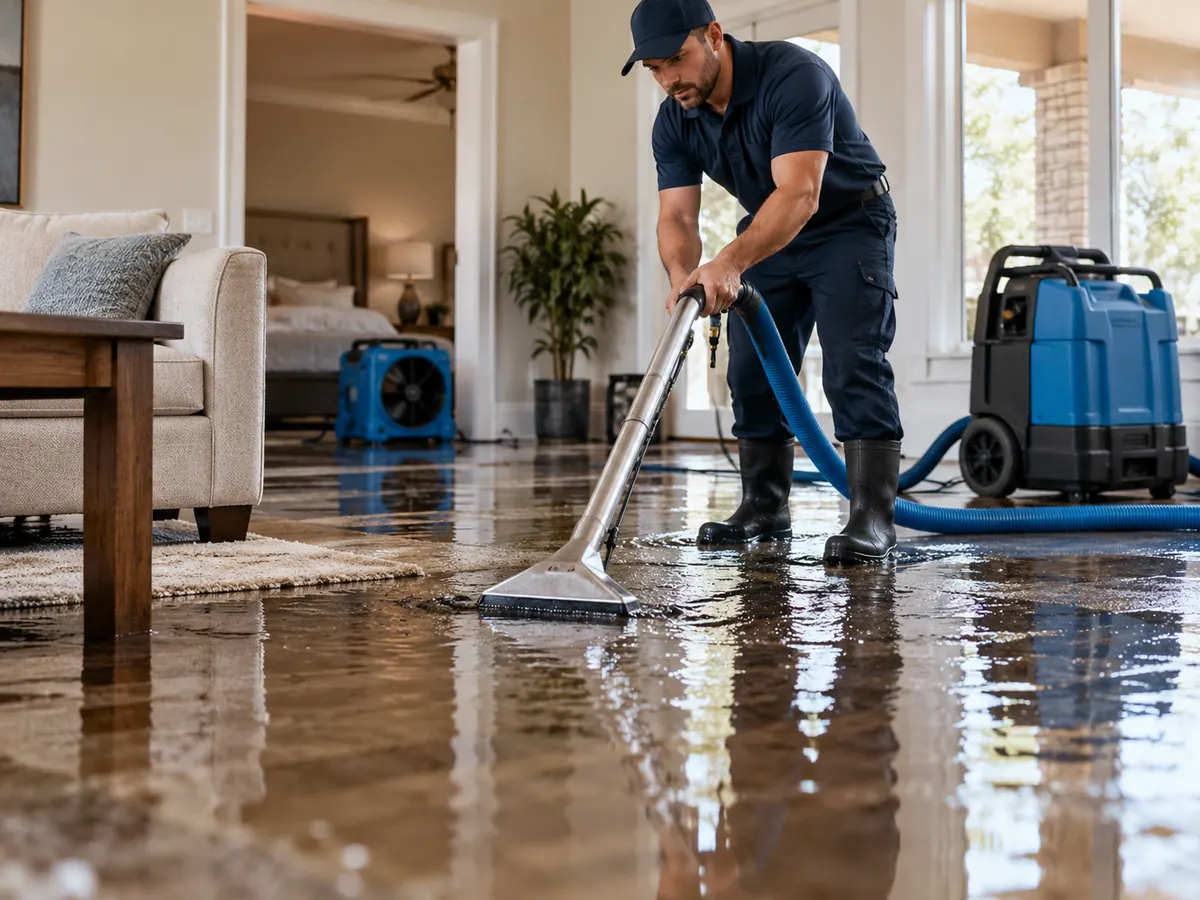
Illustrative emergency water extraction underway in a home
Illustrative residential service scene
TRIAGE FIRST

Start with the active risk

Water still entering or spreading

A burst supply line, an overflowing appliance or rainwater finding a new path — if water is still coming in, stopping the source outranks everything else. Know where your main shutoff is before you need it; say on the call whether the source is stopped.

Contaminated water

Sewage backups and floodwater carry bacteria and contaminants that clean water does not. Keep people and pets away, do not try to vacuum or mop it yourself, and say the word 'sewage' early on the call — it changes the entire response.

Water near electricity

Water across floors near outlets, appliances or the air handler is a shock risk as well as a damage risk. If breakers for the affected area can be switched off safely, do so; otherwise keep clear and mention it first.

SAFETY

Do not wade in to save the flooring

  1. Assume water is contaminated until proven otherwise

    Clear water from a supply line is one thing; water that has crossed floors, sat for hours, or come from a drain is another. Gloves and boots are minimum; keep children and pets out entirely.

  2. Cut power to wet areas if you safely can

    Standing water and electricity are a lethal combination. Switch off breakers for affected areas from a dry position. If the panel itself is wet or you are unsure, do not touch it — say so on the call.

  3. Do not use household vacuums on water

    Shop vacuums and household machines are not built for floodwater and can electrify the water or spread contamination. Extraction is professional equipment work — your job is containment and the call.

FLORIDA REALITY

In Florida, water damage starts small and spreads fast

Central Florida homes face a particular set of water emergencies: AC condensate overflows (the single most common indoor water source here), appliance supply-line bursts, slab leaks under concrete floors, and storm-driven intrusion. Heat and humidity mean mold can start within a day — speed matters more here than in drier climates.

AC condensate overflows

A clogged condensate drain can quietly flood a closet, hallway or ceiling — many Apopka homeowners discover it as a spreading stain, not a burst. Shut the AC off to stop the flow; the water already out still needs extraction. AC condensate leak information →

Appliance supply lines

Washing machine hoses, dishwasher lines and refrigerator ice-maker connections fail suddenly and run until someone notices. Know where the appliance shutoffs are — and the main shutoff behind them.

Water spreading right now?

Stop the source if you safely can, keep clear of the water, and call. Say whether it is clean water, sewage or storm water.

Call (407) 537-0765

Emergency calls answered 24/7; on-site availability is confirmed on the call.

SCOPE

What emergency water damage help covers

An emergency water damage visit starts with extraction: removing standing water with professional equipment, then assessing what got wet — flooring, drywall, insulation, subfloor. From there comes the drying plan: dehumidification and air movement positioned by moisture readings, not guesswork.

Extraction and drying are the emergency; rebuilding is the follow-up. Drywall replacement, flooring and repainting happen after materials test dry. Be wary of anyone who wants to rebuild before drying is verified — trapped moisture is how mold starts.

Water extraction →Flood damage restoration →Sewage cleanup →

ON THE CALL

What happens when you call about a water emergency

You describe the water

Where it is, how much, whether it is still spreading, and what kind — clean supply water, sewage, or storm water. Whether the source is stopped and whether electricity is involved.

Triage and timing are set

Sewage and actively spreading water go first. A contained, stopped leak with no contamination goes next. You will hear honestly whether this is a right-now visit or a scheduled one.

The visit starts with extraction

Expect water removal first, then moisture mapping of affected materials, then equipment placement for drying. You approve the scope before work starts, and drying progress is measured, not assumed.

COST & AVAILABILITY

Emergency water damage cost and availability

The volume of water, the area affected, the water category (clean, gray or black), the materials involved and the drying time needed can all affect the proposed charges. Ask how the scope is measured, whether monitoring visits are included, and how additional work will be authorized before it happens.

Drying cannot be rushed past physics — anyone promising a one-hour complete dry of soaked materials is selling something. What speed buys you is the start of extraction and the prevention of secondary damage, especially mold. Document everything with photos; insurance decisions depend on the actual policy and the documented facts.

NEXT STEPS

Decide what needs attention after the immediate danger is controlled

Once the water is out and drying equipment is running, the emergency is over. The calmer decisions about restoration come next.

Dry first, rebuild second

Materials must test dry before drywall, flooring or paint go back. Ask how dryness is verified — moisture meter readings, not touch — and get the drying log if insurance is involved.

Find and fix the source

Extraction without source repair is a recurring subscription. Whether it was a burst hose, a slab leak or a roof breach, the source gets fixed before or alongside restoration — never after.

Watch for mold in the following weeks

Even good drying can miss hidden pockets. Musty odors or new staining in the weeks after are worth a follow-up moisture check, not a wait-and-see.

QUESTIONS

Emergency water damage FAQs

How fast does water damage become a bigger problem?

In Florida's heat and humidity, fast. Standing water spreads within minutes, soaks into drywall and subfloor within hours, and mold can begin within 24 to 48 hours. The emergency is not just the water you see — it is the clock on everything it touches.

Should I try to extract the water myself first?

Small, clean-water spills you can contain with towels while help is on the way. Anything beyond that — standing water across a room, sewage, water near electricity — is professional equipment work. Your most valuable actions are stopping the source if safe, documenting with photos, and calling.

What is the difference between clean, gray and black water?

Clean water comes from supply lines; gray water has contaminants (appliance discharge); black water includes sewage and floodwater with serious contamination. The category determines the safety protocol and what materials can be saved versus removed — which is why the dispatcher asks.

Will my homeowners insurance cover this?

It depends on the source and your policy. Sudden, accidental water damage is often covered; long-term leaks, neglect and most floodwater are commonly excluded or need separate flood insurance. Document everything, mitigate promptly (policies require it), and read your actual policy — not assumptions.

How long does drying take?

Typically several days of monitored drying for affected materials — it cannot be rushed past physics. Dehumidifiers and air movers run continuously, with moisture readings tracked until materials reach dry standards. Anyone promising instant results is not describing drying.

Do I need to leave my home during restoration?

Usually not for clean-water extraction and drying, though equipment is loud and the area stays clear. Sewage contamination or extensive demolition are different — ask directly about habitability on the call and follow the crew's guidance.

What should I do before help arrives?

Stop the source if you safely can (main water shutoff), cut power to wet areas from a dry position, move valuables and electronics out of the water's path, photograph everything, and keep people and pets clear — especially of sewage or water near electricity.

Sources and technical references
24/7 INQUIRY LINE

Call for emergency water damage help in Apopka

Standing water, sewage backup or an actively spreading leak — describe the water and get a straight answer on timing.

Call (407) 537-0765
Apopka, FLEmergency Water Damage ☎ (407) 537-0765