APOPKA, FL · HOME REPAIR & RESTORATIONExplore Apopka service area
Home Services ApopkaCall (407) 783-0923 ↗
HVAC & AC Repair · Apopka, FL

HVAC Tune-Up in Apopka, FL

In Apopka, your air conditioner runs most of the year — long cooling seasons, humid air, and summer afternoons in the 90s mean the system rarely gets a real rest. A tune-up is the visit that happens before anything breaks: we clean, check, and measure the system while it is still working, so small wear shows up on a checklist instead of as a breakdown on the hottest weekend of the year. If you are looking for an HVAC tune-up near me in Apopka, this page explains what the visit covers, what it can and cannot fix, and when to book it.

Scheduled maintenance visits for Apopka homes — cooling and heating systems.

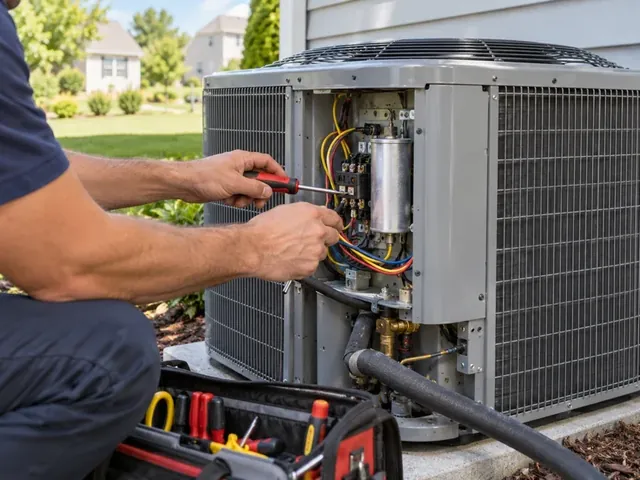
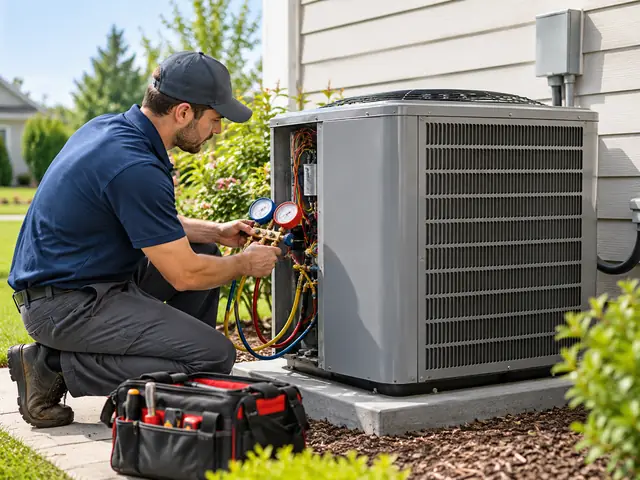
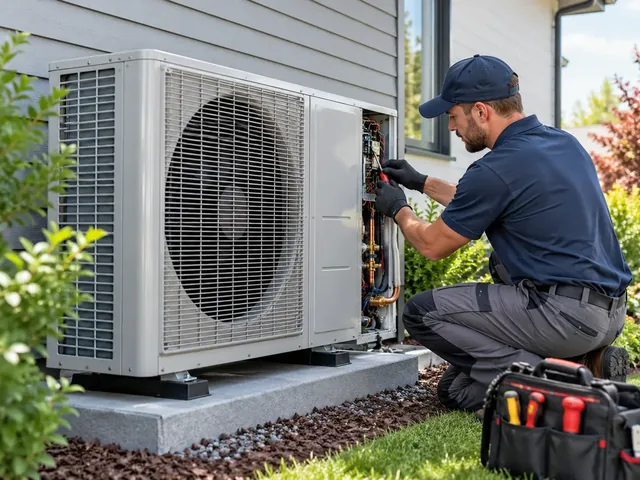
Illustrative photo of a technician checking an outdoor air conditioner during a tune-up
HVAC Tune-Up · Illustrative image
⌖ Apopka, FloridaScheduled maintenance visitsAppointment availability is confirmed when you call
Signs it’s time for a tune-up

Signs Your System Is Due for a Tune-Up

A tune-up is for a system that still runs. These are the early signs we hear about most — each one is worth mentioning when you call, because it tells our technicians where to look first.

01 / Symptom

Cooling feels weaker than last summer

Rooms that used to cool quickly now take longer to come down, or one room lags behind the rest. Weak cooling can follow a dirty filter, a coated outdoor coil, restricted airflow, or a refrigerant-system issue — our technicians measure rather than guess.
Do now: note which rooms lag and whether the change came on gradually.

02 / Symptom

Energy bills creeping up

The thermostat setting has not changed, but the bill has. Dirty coils and filters, a worn capacitor, or low airflow all make the system run longer for the same cooling. A tune-up measures the cause instead of leaving you to pay for it month after month.
Do now: compare this month’s bill with the same month last year.

03 / Symptom

Short cycling or long, nonstop runs

The system starts and stops every few minutes, or it runs for hours without switching off. Controls, airflow, thermostat placement, and refrigerant charge can all cause this — and each points to a different fix.
Do now: count roughly how often the system cycles in an hour.

04 / Symptom

New noises, odors, or water around the unit

A grinding or squealing sound, a musty smell at startup, or water near the air handler are all early warnings — worn bearings, growth on a damp indoor coil, or a blocked condensate drain.
Do now: note when the sound or smell started, keep clear of wet electrical equipment, and tell us if water is spreading.

What’s included

What an HVAC Tune-Up Covers — and What It Doesn’t

Cooling-side checks — thermostat signals, indoor and outdoor fans, airflow at the vents, condensate drain and pan, and refrigerant-system performance readings. We measure first, then report what the numbers say.

Cleaning that matters — indoor filter check, outdoor coil rinse, condensate drain clearing, and a look at the blower area. This is the cleaning that restores airflow — the part of a tune-up you feel in the rooms.

Electrical and safety checks — contactor and capacitor condition, wiring connections where accessible, and safety controls tested. Electrical wear is invisible until it fails; the readings tell us how close a part is to the end of its life.

Heating-side check — for heat pumps and furnaces, we check heating-mode operation too: the reversing valve on a heat pump, and burner and ignition observation on a furnace. If the heating side needs repair rather than maintenance, see furnace repair in Apopka.

Written findings — a plain list of what was measured, what looks worn, and what to watch. No repair is started without your approval, and no finding is dressed up as an emergency.

Skipping maintenance has a cost — here is how wear adds up:

What the visit establishes

What a Tune-Up Visit Should Establish

Airflow before refrigerant

Weak airflow from several vents points to filtration, blower operation, or duct restrictions. Strong airflow that stays warm points somewhere else entirely — controls, outdoor equipment, or refrigerant-system performance. We measure airflow before drawing conclusions about charge.

Coil and drain condition

A dirty outdoor coil and a slow condensate drain are the two most common findings on Apopka tune-ups. Florida humidity keeps indoor coils damp for months, and a drain that clogs in July can put water on the floor within a day. Both are cheap to catch on a scheduled visit.

Electrical wear you can’t see

Capacitors and contactors wear a little with every start, and the readings tell us whether a part is near the end of its life. Replacing a weak capacitor during a scheduled visit beats finding it failed on a hot Saturday — same part, very different day.

Repair, monitor, or replace?

We sort findings into fix now, watch, or plan ahead. When several major components are worn, or reliability stays poor after maintenance, we will talk through installation options with you — see AC installation in Apopka.

What does an HVAC tune-up typically cost in Apopka? A standard AC tune-up visit typically starts from $75, and a heating-system tune-up typically starts from $130. These are typical market starting prices, not fixed prices. The confirmed price comes only on the call or at inspection time.

What waiting costs

What Waiting Costs — the Mechanisms, Not the Fear

A skipped spring tune-up

A dirty coil works harder all summer

Dust and pollen coat the outdoor coil over the off-season heat transfer drops and runtimes stretch longer higher bills all summer, and a compressor running hotter than it should

Every month on a clogged filter

Airflow falls a little at a time

A restricted filter strains the blower and starves the indoor coil of air the coil can ice over, then thaw all at once water at the air handler from a drain that was never cleaned

A weak capacitor, left alone

Small electrical wear becomes a no-start

A capacitor weakens a little with every start the fan or compressor struggles to start on the hottest afternoons one hot afternoon it does not start at all — a scheduled fix becomes an urgent call

Year after year without checks

Wear stays invisible until it fails

An Apopka system runs far more hours a year than a northern one small issues compound quietly, season after season the system that could have run years longer fails early instead

Safety comes before the tune-up

  • Leave electrical panels closed

    Don’t open panels, bypass safety switches, or touch capacitors — a capacitor can hold a charge even with the power off. Leave that work to our technicians.

  • Water near the unit means stop

    If water is spreading near the air handler or any electrical equipment, keep clear and turn the equipment off if safe to do so. Tell us when you call.

  • Heat risk while you wait

    If indoor conditions become unsafe — especially for children, older adults, or medically vulnerable residents — move somewhere cooler and seek urgent assistance. We never ask anyone to ride out dangerous indoor heat.

Apopka specifics

Why Apopka Systems Work Harder Than Most

A cooling season with no real off-season

Apopka summers run long and humid, and many homes run cooling nine or ten months of the year. A system here racks up more runtime hours in five years than a northern system does in ten — which is why an annual check matters more here, not less.

Humidity is the quiet workload

Central Florida humidity keeps indoor coils damp for months, which feeds musty startup odors and keeps condensate drains working constantly. A drain that clogs in July can put water on the floor within a day — and the tune-up is when it gets cleared.

Pollen, oaks, and the outdoor coil

Homes near Lake Apopka and the Wekiwa Springs area sit among live oaks and pines whose pollen and leaves coat outdoor coils every spring. A coated coil cannot shed heat properly, so the system runs longer for the same cooling — the rinse is part of the visit for a reason.

The first hot weekend is the test

The first stretch of 90-degree days each spring is when weak capacitors and low airflow show up — the same week everyone else is calling. Booking the tune-up before that stretch is the whole point of maintenance: find the wear while it is still a scheduled fix.

What happens next

How an HVAC Tune-Up Visit Runs

  1. Book the visit

    Tell us the system type — central AC, heat pump, mini-split, or furnace — and its age if you know it. Call us to confirm the next available appointment; your call itself is not a confirmed appointment.

  2. Inspection and measurements

    Thermostat, airflow, fans, drain, coil condition, electrical readings, and refrigerant-system performance — we measure first and report what we find.

  3. Cleaning and adjustments

    Filter check, outdoor coil rinse, drain clearing, and accessible connections — the maintenance work itself, done while we are there.

  4. Findings and next steps

    A plain list of what was done and what needs watching. Any repair is quoted separately and only starts with your approval.

Before you call

When to Book a Tune-Up — and When to Call Sooner

Call now

  • The system has stopped cooling entirely
  • Water spreading near the air handler
  • Burning odor, sparking, or a tripped breaker that keeps tripping
  • Indoor heat unsafe for vulnerable occupants — see emergency HVAC repair in Apopka

Schedule soon

  • It has been a year or more since the last check
  • Bills creeping up or cooling feeling weaker
  • Spring, before the first hot stretch arrives

Have ready when you call

  • System type and brand
  • Age of the system, if you know it
  • When the last service was
  • Which rooms cool worst
  • Any noises, odors, or water you have noticed

Visit booked? Here is the day of:

During the visit

What to Expect While the Tune-Up Is Underway

  1. Time

    About an hour or two

    A standard tune-up takes about one to two hours for a single central system; a second system or a mini-split setup with several indoor heads adds time.

  2. Access

    We will need the thermostat, the air handler, and the outdoor unit

    Clear a path to the indoor unit — often a closet or the garage — and to the outdoor unit. Move cars if the unit sits beside the driveway.

  3. Noise

    Mostly quiet, with short test runs

    The system will cycle on and off while we test it. The outdoor coil rinse is the loudest part of the visit, and it lasts only a few minutes.

  4. Your role

    Stay nearby for the findings

    You do not need to watch the work, but be available at the end — the findings list is easier to explain in person than over the phone.

Practical answers

What an HVAC tune-up typically costs in Apopka

We price by what we actually find on site — a standard AC tune-up visit typically starts from $75, and a heating-system tune-up typically starts from $130. The confirmed price comes only on the call or at inspection time. Here is the breakdown.

ServiceTypical starting price
AC tune-up visitfrom $75
Heating-system tune-upfrom $130

Every problem's work and cost is different. The confirmed price comes only on the call or at inspection time. Starting prices below are typical, not fixed prices.

HVAC Tune-Up FAQs

How often should I book an HVAC tune-up in Apopka?

Once a year is the minimum we recommend, booked in spring before the cooling season starts. Apopka systems run far more hours than systems in cooler states, so wear shows up faster here. Heat pumps that both heat and cool do best with two visits a year — one in spring and one in fall — so each mode gets checked before its season.

What does an HVAC tune-up actually include?

We inspect thermostat signals, airflow, indoor and outdoor fans, the condensate drain and pan, refrigerant-system performance, and electrical components. We clean the outdoor coil, clear the drain, and check the filter. You get a written list of what was measured and what looks worn. Any repair is quoted separately and only starts with your approval.

Can a tune-up fix an air conditioner that already stopped cooling?

No — a tune-up is maintenance for a system that still runs. If your air conditioner has stopped cooling, that is a repair visit: our technicians diagnose the fault first, then quote the fix. Booking a tune-up for a broken system only delays the diagnosis. If the system has stopped, call us about an AC repair visit instead.

Will a tune-up lower my energy bills?

Often, a little. A clean coil and filter restore airflow, so the system reaches your thermostat setting sooner and runs fewer hours. Worn electrical parts found early also stop the system straining. We do not promise a set saving — bills also depend on rates, weather, and system age — but a maintained system costs less to run than a neglected one.

How long does a tune-up visit take?

About one to two hours for a single central air conditioner or heat pump, including the inspection, cleaning, and the findings walk-through at the end. A home with two systems, or a ductless mini-split setup with several indoor heads, takes longer. We confirm the expected time when you call, so you can plan around the visit.

Should I change the filter before the tune-up visit?

If it looks visibly dirty, yes — a fresh filter gives us a truer airflow reading, and it is a safe homeowner task. If you are unsure which size to buy, leave it in place and we will check it, note the size, and tell you what to keep on hand. Bring a spare filter if you already have one.

Is a tune-up worth it on an older system?

Yes — arguably more so. The readings from a tune-up show whether an older system is still running efficiently or wearing out, which is exactly the information you need before deciding on a repair. A tune-up cannot make an old system new, but it can catch a cheap fix early and tell you honestly when replacement planning should start.

Is there HVAC tune-up near me in Apopka?

Yes. We arrange HVAC tune-ups for homes across Apopka, from the older streets near downtown to the newer neighborhoods by the groves and preserves. The number on this page connects you with the team that handles tune-ups for your address — call to confirm coverage, the next available appointment, and what to have ready.

Further reading

Sources and technical references

View supporting references and safety sources
  1. U.S. Department of Energy — Energy Saver

    Air-conditioner maintenance guidance: filter changes, coil cleaning, and drain clearing as routine upkeep.

  2. ENERGY STAR

    Heating and cooling maintenance checklist: annual professional tune-ups and what they should cover.

  3. Angi

    AC tune-up cost guide: the published national figures behind the starting prices on this page.

A tune-up measures the system you have, and those readings often point at work that sits just outside the maintenance visit itself. Heat pumps get their own version of the same checks, so owners of those systems should compare notes with heat pump repair diagnostics when a tune-up finding sounds more like a failure than wear. Airflow numbers that stay low after filters and coils are handled usually lead to the duct run, where professional air duct cleaning addresses buildup a tune-up cannot reach. And when the visit turns up scorched disconnects, a breaker that will not hold, or a panel running out of room for modern loads, that finding belongs to the electrical trade — a service panel upgrade for capacity, or an after-hours emergency electrician when the fault is active and unsafe to leave.

Tune-up or repair — which visit do you actually need? If the system still runs, maintenance is the right call; if it has stopped cooling, the diagnosis comes first. See how the symptoms differ, and how the call-now vs. wait decision works across every trade.

AC not cooling in Apopka ↗ How to compare home service estimates ↗

Book Your Tune-Up Before the Heat Arrives

Call with your system type and the date of your last service, and we will confirm the next available appointment. Calls can be answered 24/7, but appointment times are confirmed when you call.

Apopka, FLHVAC Tune-Up ☎ (407) 783-0923